Budget Japan: Backpacker Night Bus Tips
How an Overnight Bus Actually Stretches a Backpacker Budget
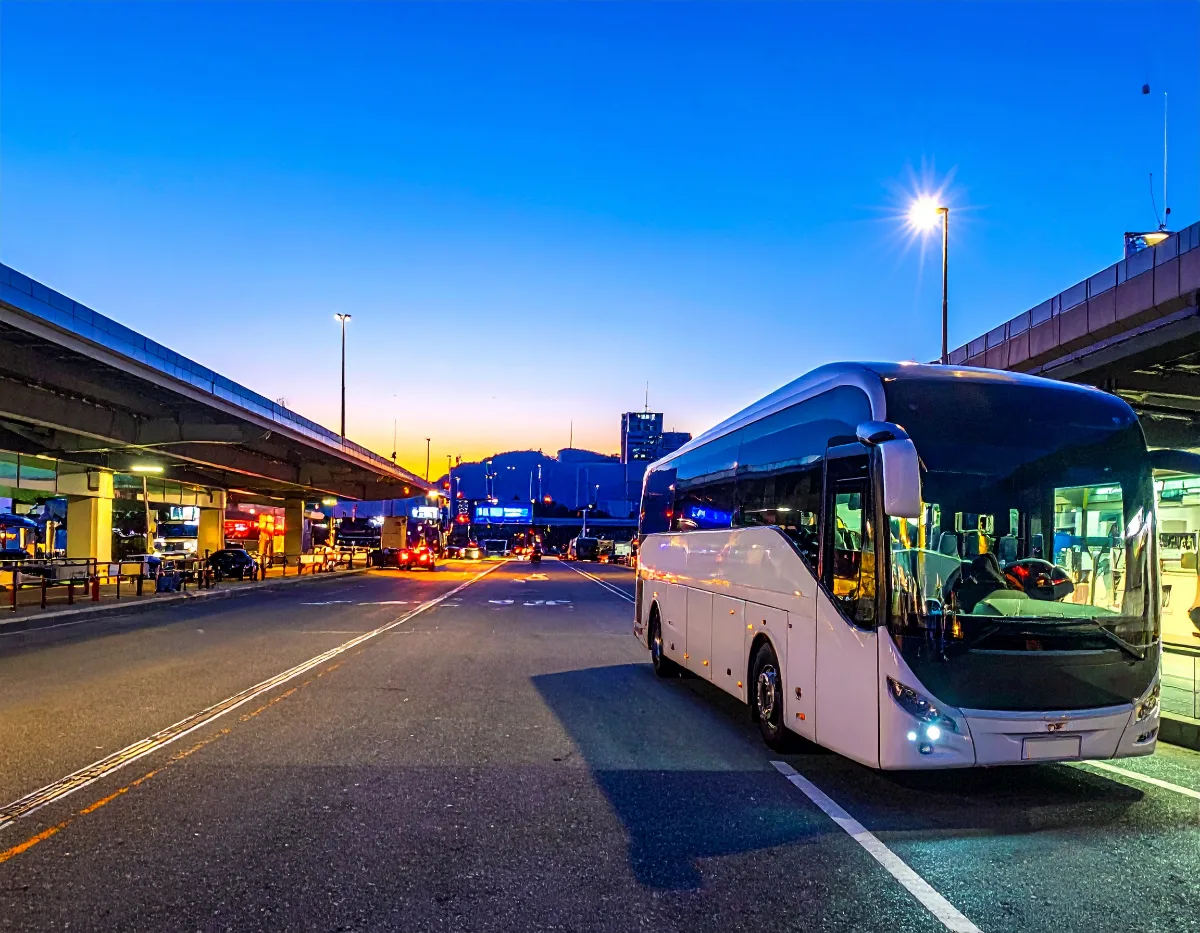
An overnight bus does two jobs at once: it moves you between cities and it doubles as your night's sleep, so you skip paying for a separate bed at a hostel or capsule hotel that night. That's the real math behind budget travel in Japan, more than any single ticket price.
This isn't a niche workaround either — a large and growing share of inbound travelers already choose highway buses for city-to-city moves in Japan, a sign the option is mainstream, not just a backpacker hack.
And the savings don't stop at the ticket. Swap a hotel room for a station locker, a late checkout for an early-morning bathhouse, and a taxi for a walk to your first sight, and the whole morning becomes part of the trip instead of dead time.
What's Actually On Board: Blanket, Lights-Out, and Nighttime Manners
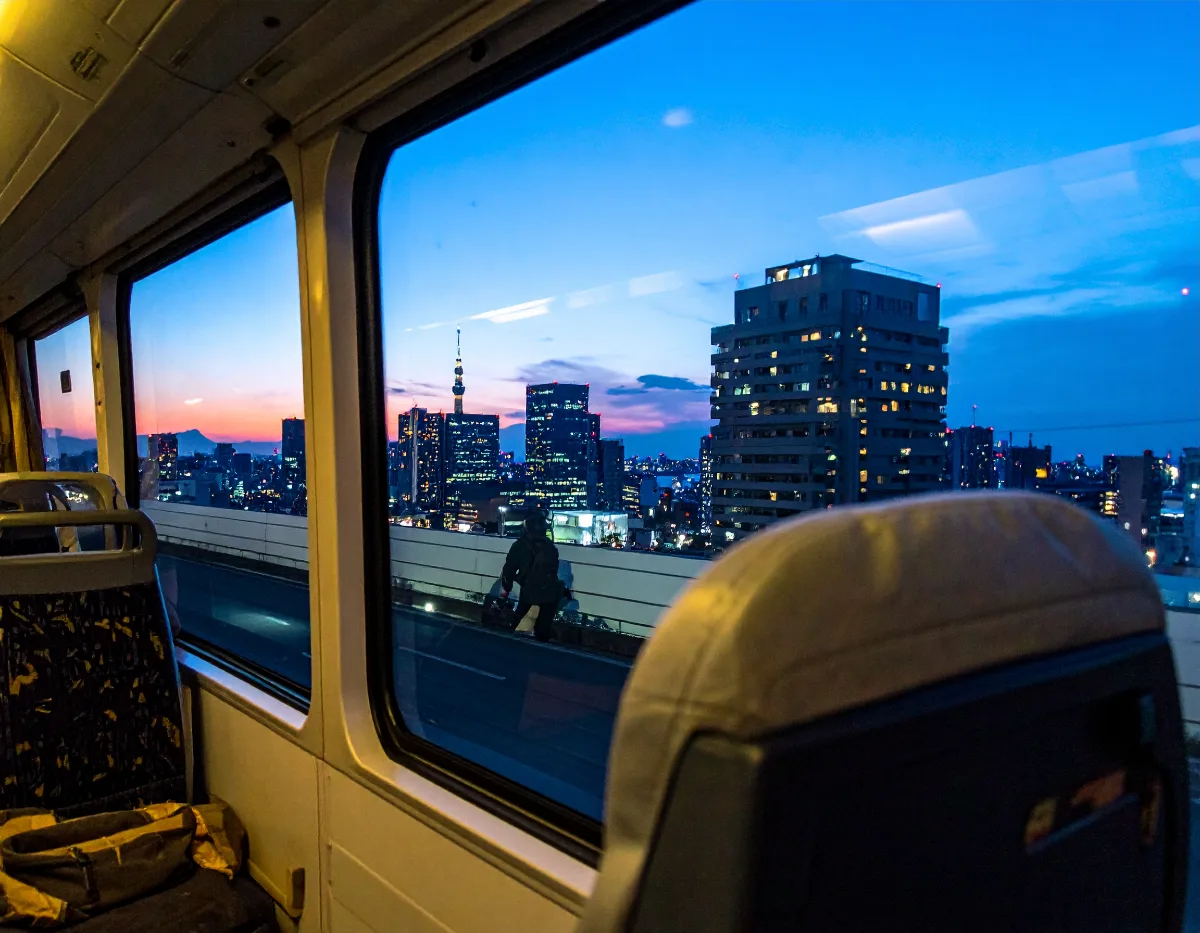
Every seat comes with a blanket for the ride, and the cabin lights go off around 23:00–24:00 — after that, lit phone or tablet screens are asked to stay off out of consideration for other passengers trying to sleep. For the full rundown of what's fitted on board, check the cabin facility page before you book.
A few small courtesies go a long way overnight: give the passenger behind you a heads-up before reclining, keep your feet out of the aisle, and skip strong-smelling food or drinks once you're on board.
Your day bag stays with you at the seat; the main backpack goes into the underfloor trunk before boarding, not carried on.
Finding Your Bus: A First-Timer's Guide to the Terminal
Japanese bus terminals aren't hard once you know the pattern, but the boarding gate is assigned per service and can change day to day, so check the numbered gate board on the departure floor on the day itself rather than relying on what you read online beforehand.
Departing from Tokyo via Shinjuku, most daytime travelers use the New South Gate, which connects straight up to the bus deck by escalator — but that gate only operates from 5:45 to 24:00, so a late-night departure means using the South Gate instead. Either way, confirm your numbered stop on the terminal's board once you're on the floor.
Be at your assigned boarding spot 10 to 20 minutes before departure and have your ticket or QR code ready to show the crew. Treat the walk through the terminal as part of the trip rather than a rush — arriving with time to spare removes the single biggest source of first-timer nerves.
After You Land: What to Do Before Sunrise Check-In
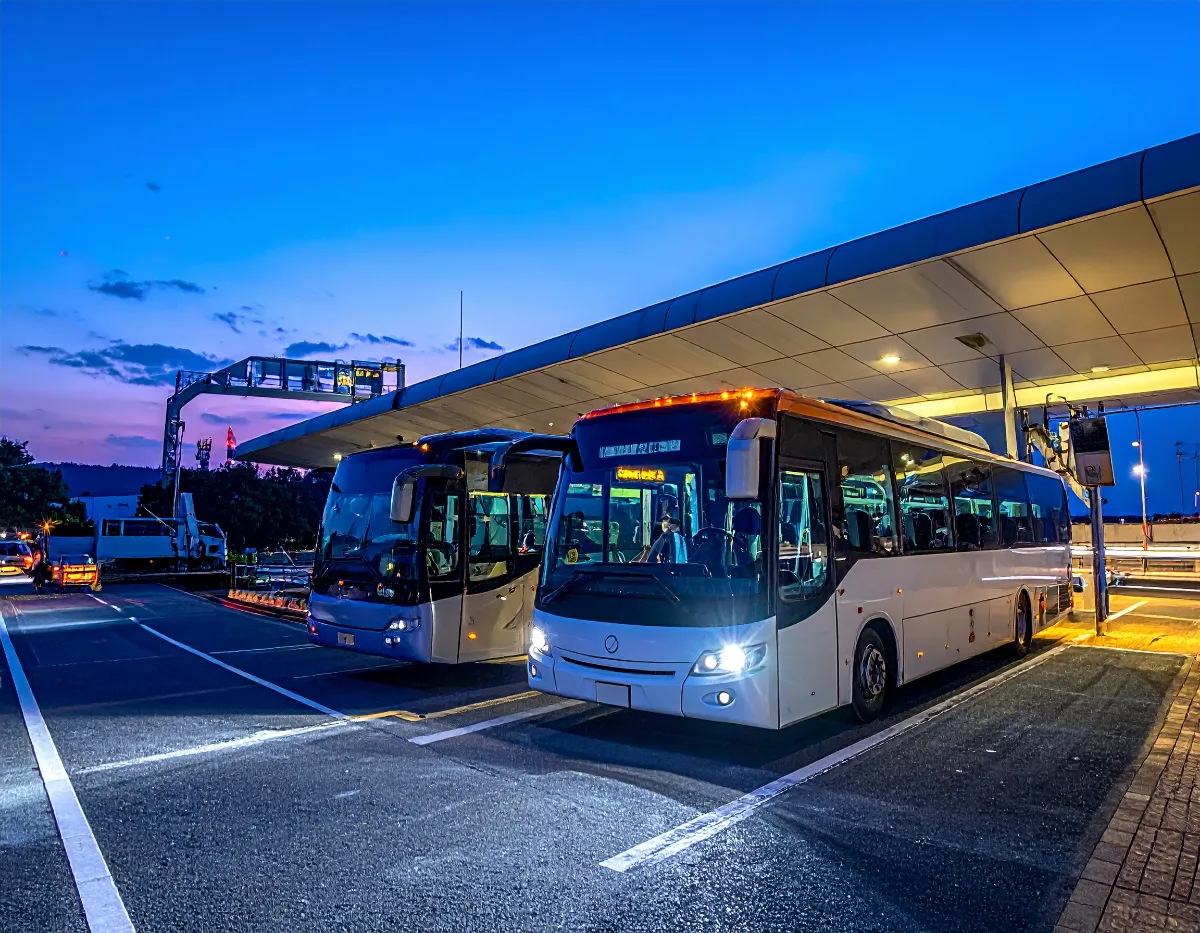
Arriving in a new city before 6am with a hostel check-in hours away is part of the overnight-bus rhythm, and most backpackers turn it into extra sightseeing time. Drop the big backpack in a station locker — a large one runs about ¥900 and a medium about ¥700 — and you're free to move through the city with just your day bag.
Some station-area bathhouses open as early as 7am, which makes for a proper shower and a change of clothes before check-in. From there, the early morning is one of the quietest times to walk to your first sightseeing stop, well before the crowds arrive.
If you're still deciding which route fits an early-morning arrival, the route overview lays out the city pairings so you can plan the first hours of your day around it.
Packing Your Bag the Right Way for a Night Bus
Split your luggage before you board: the main backpack goes into the underfloor trunk, and only a small daypack — passport copy, charger, snacks — comes with you to the seat.
Carry-on size allowances differ by operator, so it's worth confirming the limit when you book rather than finding out at the gate.
Peak national holiday weeks fill trunk space fastest, so booking a little ahead of those busy stretches protects both your seat and your luggage room.
Keep the daypack zipped and tucked under the seat in front of you rather than in the aisle, both for your own comfort and for the passengers moving past you overnight.

Check Seats & Fares
Choose your departure area to see routes and seats.