Japan Night Bus Women-Only Seat Safety Guide (2026)
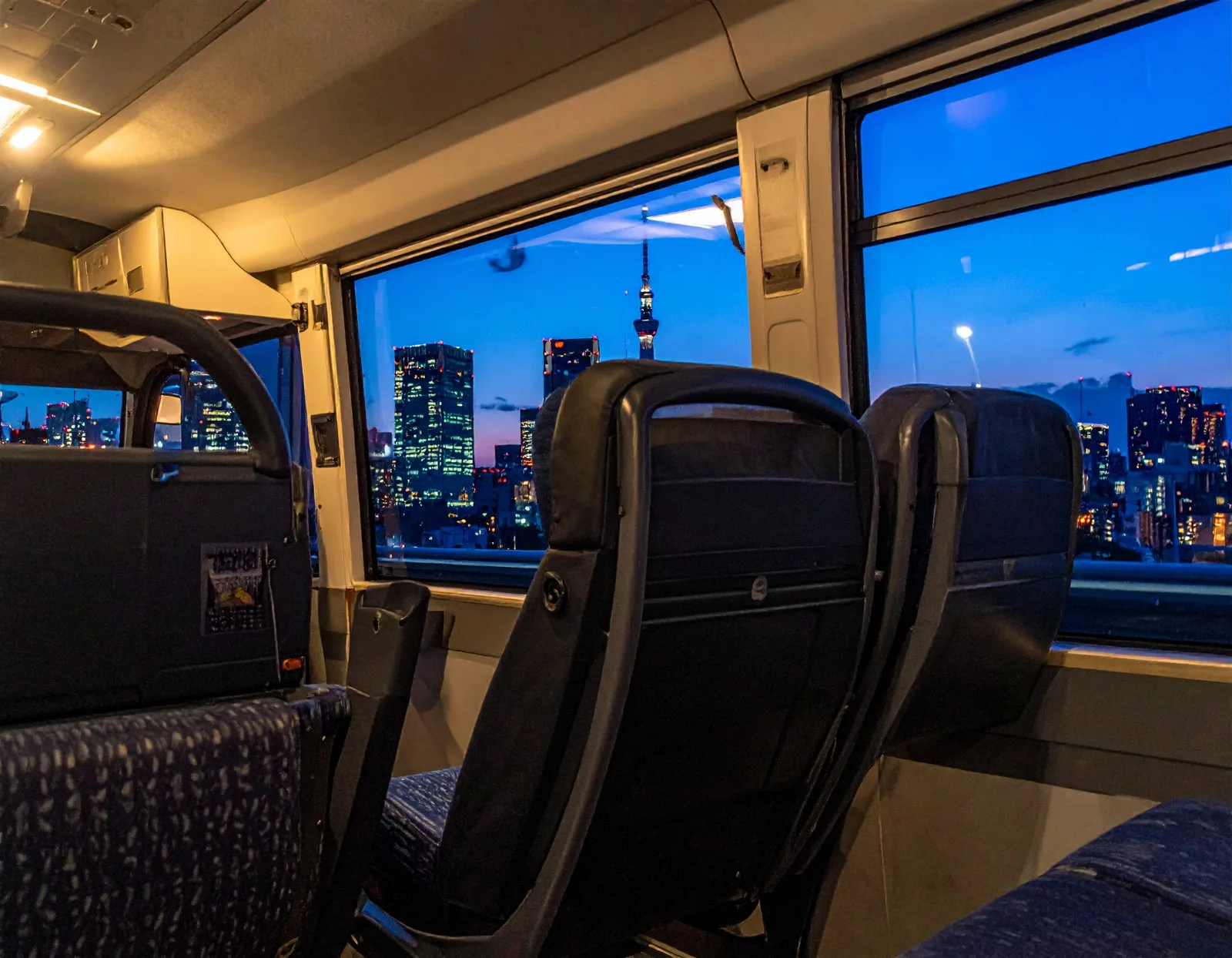
Is There Really a Women-Only Seat So No Stranger Sits Next to You? (Direct Answer)
Yes — this overnight bus between Tokyo/Yokohama and Kyoto/Osaka/Kobe offers a women-only seat option, and it is different from what some travelers picture. It is not a bus limited entirely to women; it is a women-only arrangement within a regular mixed bus, where the seat is set up so a woman traveling alone is seated next to another woman rather than a stranger. The arrangement is confirmed at the moment you complete your booking, and like any seat request, it depends on availability — during full-occupancy periods or when a group booking takes up a block of seats, the option can be limited, so booking as early as your dates are set gives you the best chance. The rest of this guide walks through the actual booking screen, what the seat and cabin really look like, and the safety features fitted to the coach itself.
How to Book the Women-Only Seat: A Screenshot Walkthrough
Booking works through a seat map, not a phone call. After choosing your route and date, the reservation screen shows a color-coded diagram of the coach — open seats appear in one color, taken seats in another. You simply click the seat you want, including the women-only seat if it is shown as available for that departure.
If the women-only option isn't showing for your first choice, the simplest fix is to check a nearby departure time or date rather than assuming it isn't offered at all; availability shifts by trip. You can browse every departure between the Tokyo/Yokohama and Kyoto/Osaka/Kobe area on the route list to compare times before you commit.
What the Seat and Cabin Actually Look Like Onboard
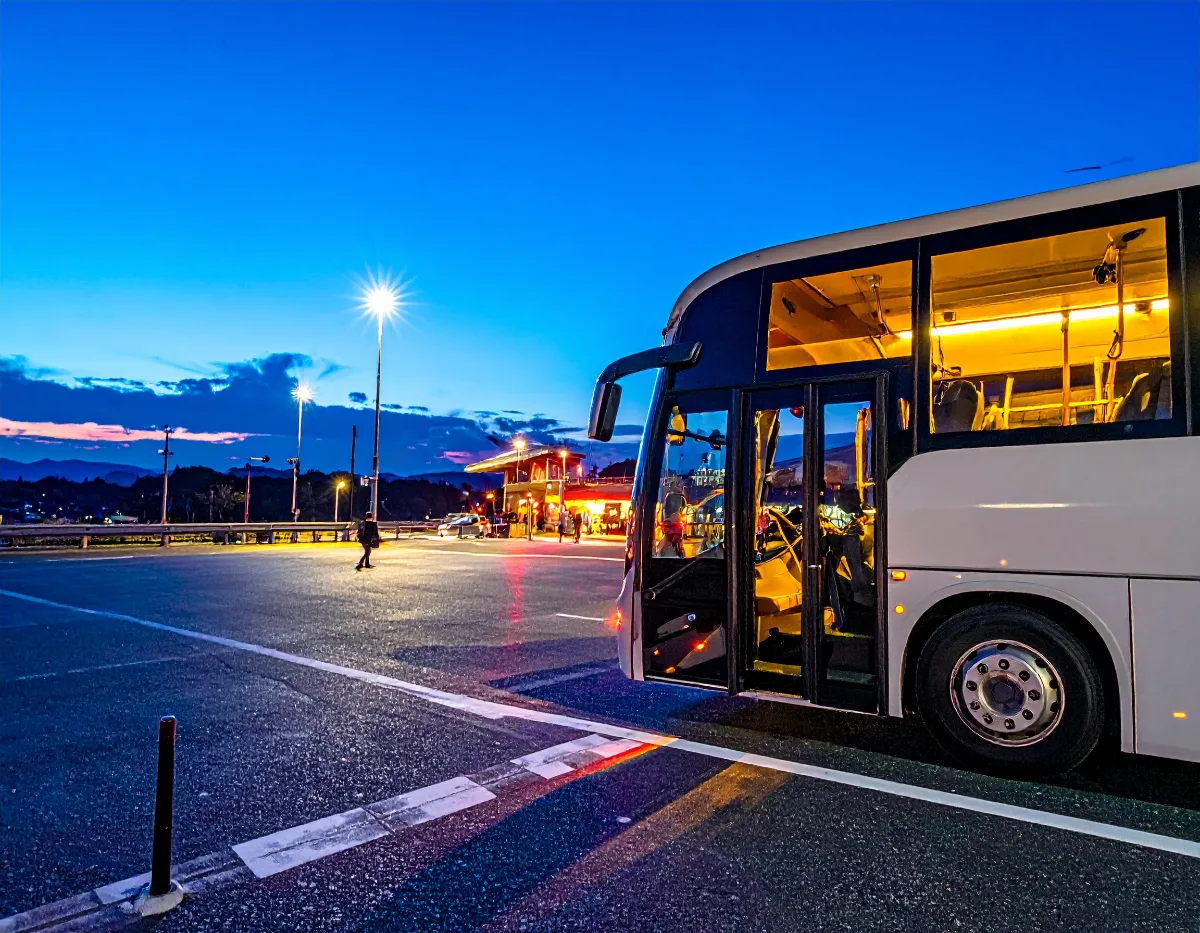
The seat itself is a full-width reclining seat rather than a narrow shared bench. It gives you a clearly defined space for the overnight ride, with your own recline control so you're not asking a neighbor's permission to adjust it.
The women-only option isn't a separate vehicle — it's simply how the seating is arranged within the regular coach. When you choose it, a woman seated there always has another woman beside her rather than a stranger. Every seat, on every departure, includes its own power outlet and a blanket — the two things the cabin is genuinely built around for an overnight trip. For the full rundown of what's fitted throughout the cabin, the onboard facility page covers it in detail.
In plain terms: you get a real reclining seat with room to settle in, not a bench you're sharing.
Is the Bus Itself Safe for a Solo Overnight Ride?
Beyond the seat itself, the vehicle is built with an overnight solo passenger in mind. The coach carries front-collision mitigation braking, which uses radar and a forward camera to sense a vehicle ahead and apply the brakes automatically if the gap closes too fast. The driver is also monitored in real time by a camera that checks their face and eyes for signs of fatigue, paired with a lane-departure warning system that alerts if the bus starts drifting, plus a dashcam and a driving data recorder running throughout the trip. Japan is consistently ranked among the safer countries to travel in after dark, including for a woman walking alone late at night, and while crowded commuter trains are a place where groping is a known concern, that is a separate everyday-transit issue rather than something reported on this overnight coach — worth knowing so you can relax rather than carry that worry onto the bus.
Luggage, Valuables, and Practical Safety Habits for the Ride
A simple habit makes the overnight ride easier: keep your passport, phone, wallet, and anything else you'd hate to lose in a bag that stays with you in the cabin, rather than in the underfloor luggage hold you won't reach until arrival. Pack a small pouch or daypack with just what you need overnight — eye mask, headphones, a layer — so you can reach it without leaning over or disturbing the seat next to you. One more thing worth clarifying: you may see Japan's women-only train cars mentioned elsewhere, which run on certain rail lines mainly during weekday morning rush hours (and on some lines in the evening too). That's a separate, unrelated system from this bus — the coach's women-only seat is arranged individually at booking, not tied to a time window.
After You Arrive: A Sample Morning in Kyoto, Osaka, or Kobe (or Tokyo/Yokohama)
One easy way to spend the first hour after an early overnight arrival: find a quiet café near the station for a slow breakfast while the city is still waking up, then set out on foot through a walkable, low-traffic area nearby before the streets fill in — a shopping arcade in Osaka, a temple lane in Kyoto, or a harbor-facing street in Kobe all work well for this, just as a quiet stroll near Tokyo or Yokohama Station suits an arrival heading the other direction. There's no itinerary to rush through and nowhere you have to be — just a solo traveler, a coffee, and a city just starting its day around her.

Check Seats & Fares
Choose your departure area to see routes and seats.