Night Bus vs Shinkansen: Time and Cost for Tokyo–Osaka Travel
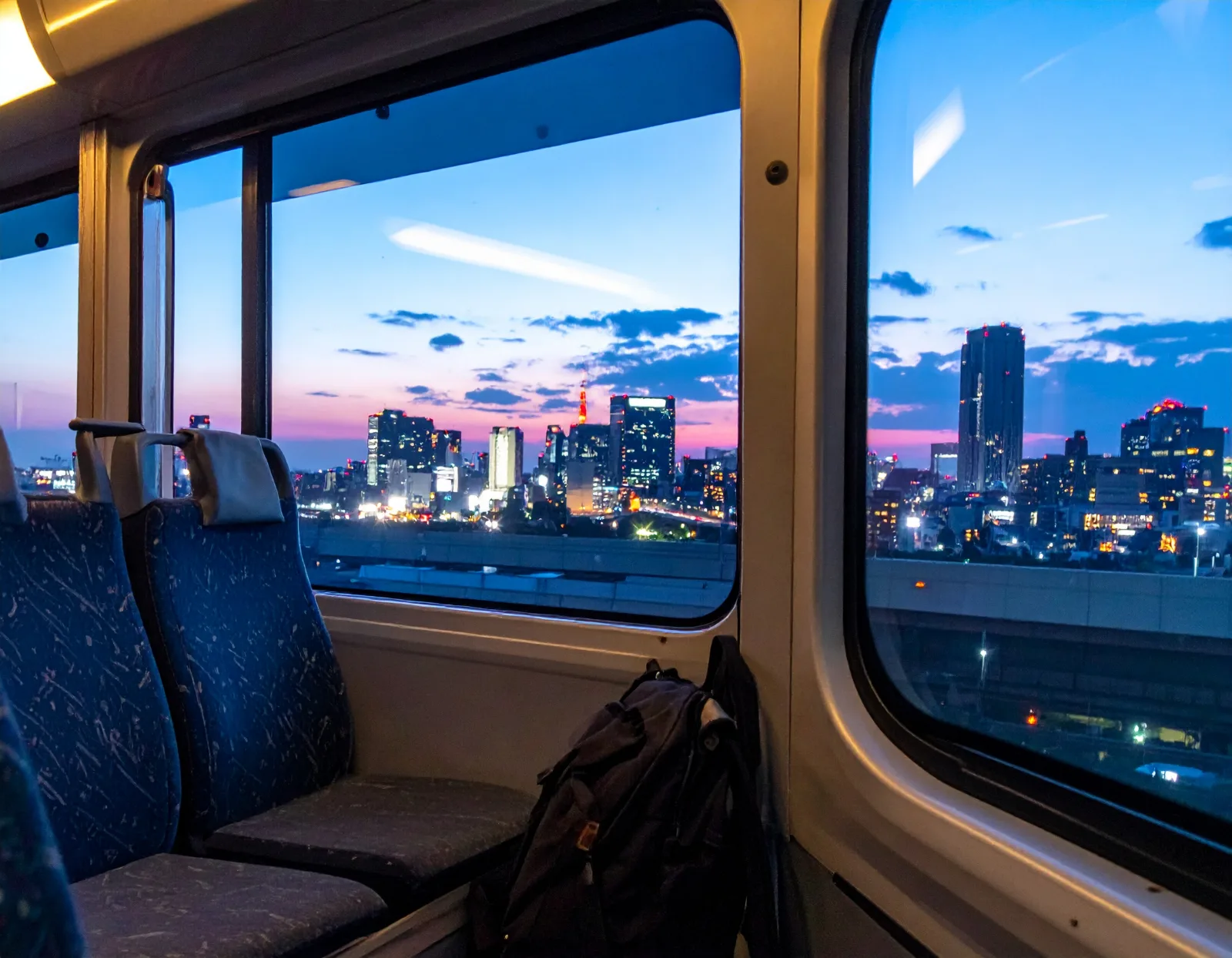
Choose the Shinkansen for Speed, or the Night Bus to Cut Your Total Trip Cost
- Shinkansen (Nozomi): about 2 hours 30 minutes between Tokyo and Shin-Osaka, with a reserved seat priced at ¥14,720 in regular season (¥13,870 unreserved).
If your priority is arriving fast, the shinkansen wins outright — nothing else gets you there in under three hours. If you're weighing the cost of your entire trip rather than just the ticket, the night bus opens up options the shinkansen can't match on its own.
It's also worth knowing that advance-purchase discounts — such as JR's Ekinet Tokudane fares or Smart EX's early-booking deals — can sometimes bring the shinkansen price down below the standard fare. So the real comparison isn't just "bus vs train" — it's what you value more on this particular trip: hours, or total cost.
What Is It Really Like Spending 8–9 Hours on a Night Bus?
The schedule is built around sleep, not sightseeing out the window. Tabinosuke night buses depart late in the evening and arrive in the early morning, so most of that 8-hour-plus ride happens while the cabin is dark and quiet — effectively it doubles as your night's sleep. Every seat is a 4-row wide seat, and the bus makes scheduled stops at highway service areas along the way so you can stretch your legs. Onboard amenities can vary by departure and seat type, so it's worth bringing your own charging cable, earphones, and eye mask if you want extra comfort. Some departures also offer a women-only seating option, grouping female passengers together for a more secure overnight ride — worth asking about when you book if it matters for your seat choice. Check current seat layouts and onboard facilities on the onboard facilities page before you book.
Bus Fare Alone Isn't the Whole Picture — Look at the Total Trip Cost
Compare ticket price alone and the night bus already looks cheaper, but the bigger gap opens up once you add accommodation:
- Night bus: departs and arrives overnight, so it effectively replaces a hotel room for that night — you save on lodging and travel at the same time.
- Shinkansen: gets you there in two and a half hours, which is genuinely convenient, but for most itineraries that means booking a hotel room the moment you land, on top of the ticket price.
The longer your trip, the more this compounds. A two- or three-night itinerary built around a night bus outbound (and often another overnight bus on the way back) can end up noticeably cheaper in total than the same trip built around two shinkansen rides and hotel stays on both ends.
If you're already holding a JR rail pass that covers the shinkansen, the calculation shifts back in the train's favor. For travelers paying full point-to-point fare, accommodation is usually the biggest line item affected by the choice between the two.
What to Do After an Early-Morning Arrival, Before Sightseeing Begins
A night bus typically drops you in central Osaka in the early morning, hours before most sightseeing spots open — which sounds inconvenient until you realize how well the neighborhoods around Umeda and Shin-Osaka Station are set up for exactly this:
- Several cafes in the area open early for a proper breakfast service.
- 24-hour saunas nearby let you freshen up and relax before heading out.
- For women traveling solo, dedicated lounges near the station open from 6:30 in the morning, complete with a powder room and a fitting room, so you can shower, do your hair, and change before your day even starts.
Rather than treating the early arrival as dead time, it's worth building it into your itinerary on purpose: freshen up, have a slow breakfast, and be at your first temple or market right as it opens and before the crowds arrive.
Traveling Light or Short on Time? Mix Bus and Shinkansen
Nothing says both directions of your trip have to use the same transport. A common combination for travelers who want the best of both is to take the night bus outbound — arriving with energy saved and a full day ahead of you — and then take the shinkansen back, trading a bit of extra cost for speed when you're tired and ready to head home or catch a flight. This works especially well if you're carrying a large suitcase: trunk storage space and size limits differ by bus and by service, so it's worth confirming in advance whether your luggage will fit rather than assuming it will. If your time is tight on one leg of the trip — say, you have a flight to catch the same afternoon you arrive back in Tokyo — putting the shinkansen on that leg and the night bus on the more flexible leg is usually the easiest way to balance cost against convenience.
Ready to Book Your Tokyo–Osaka Trip?
Check what's actually available for your dates.
- Browse the route information page for current departure times and model course ideas for your Tokyo–Osaka trip.

Check Seats & Fares
Choose your departure area to see routes and seats.