Kyoto Early Morning Temples: A Before-the-Crowds Plan
Arriving in Kyoto at Dawn: What to Do Before the First Trains Run
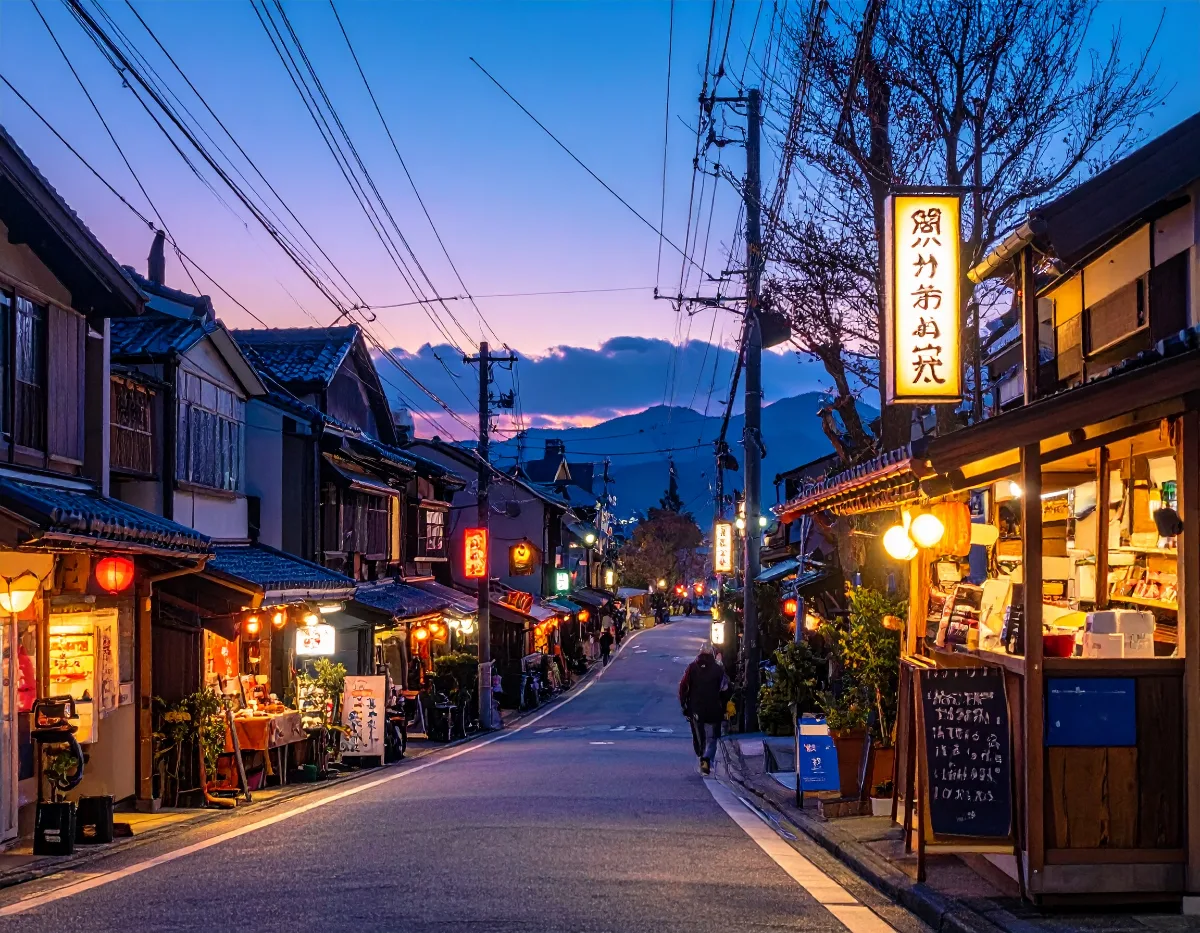
The overnight bus from Tokyo and Yokohama pulls into Kyoto in the early morning while the sky is still dim, well before the city's shops and train lines have woken up. Rather than waiting on a bench, this is the best window to get organized for the day ahead. Kyoto Station has a large number of coin lockers. The Hachijo-guchi and Karasuma-guchi sides both have outdoor lockers that stay accessible 24 hours a day, which matters most right after a night bus arrival, since the indoor station facilities have not opened yet. Bags can go straight into a locker, leaving hands free for a camera and a map for the next few hours. All seats are 4-row wide seats, and every bus has power outlets and blankets; details on the onboard seating and amenities are worth checking before booking.
Fushimi Inari's Thousand Torii Gates Almost Empty—What Time Should You Arrive?
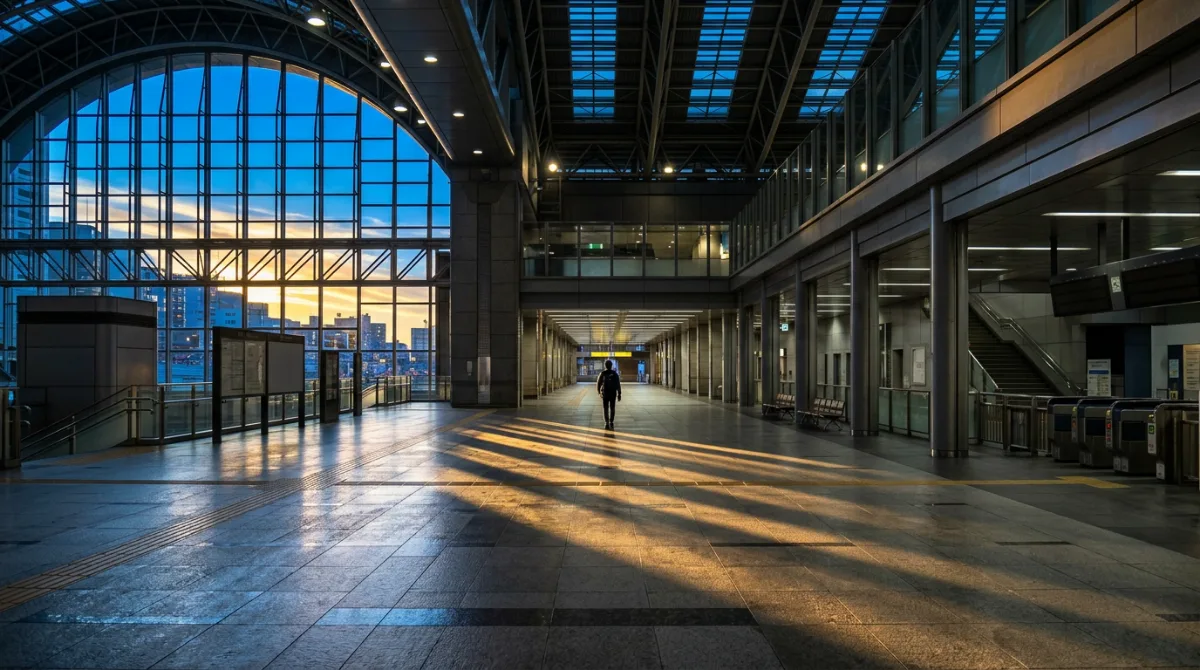
Fushimi Inari Taisha never closes its gates and charges no admission, so it rewards early arrivals more than almost any other sight in Kyoto. The shrine's office opens at 7:00, but the torii gate paths themselves are open long before that. The window from sunrise until early in the 7:00 hour is when the famous Senbon Torii tunnel comes closest to empty, and on-the-ground reports from repeat visitors note that by around 7:50 the paths are already filling in with tour groups and photographers. To land inside that quiet window, the JR Nara Line runs its first departures from Kyoto Station in the 6:00 hour, reaching Inari Station in just a few minutes and putting travelers at the gates well before the shrine office opens, in the emptiest stretch right after sunrise. For anyone building out a full day around this stop, the route and schedule information is worth reviewing so the early train connection lines up with the bus arrival.
Kiyomizu-dera Before the Crowds: Gate Times and the Amulet Counter Schedule
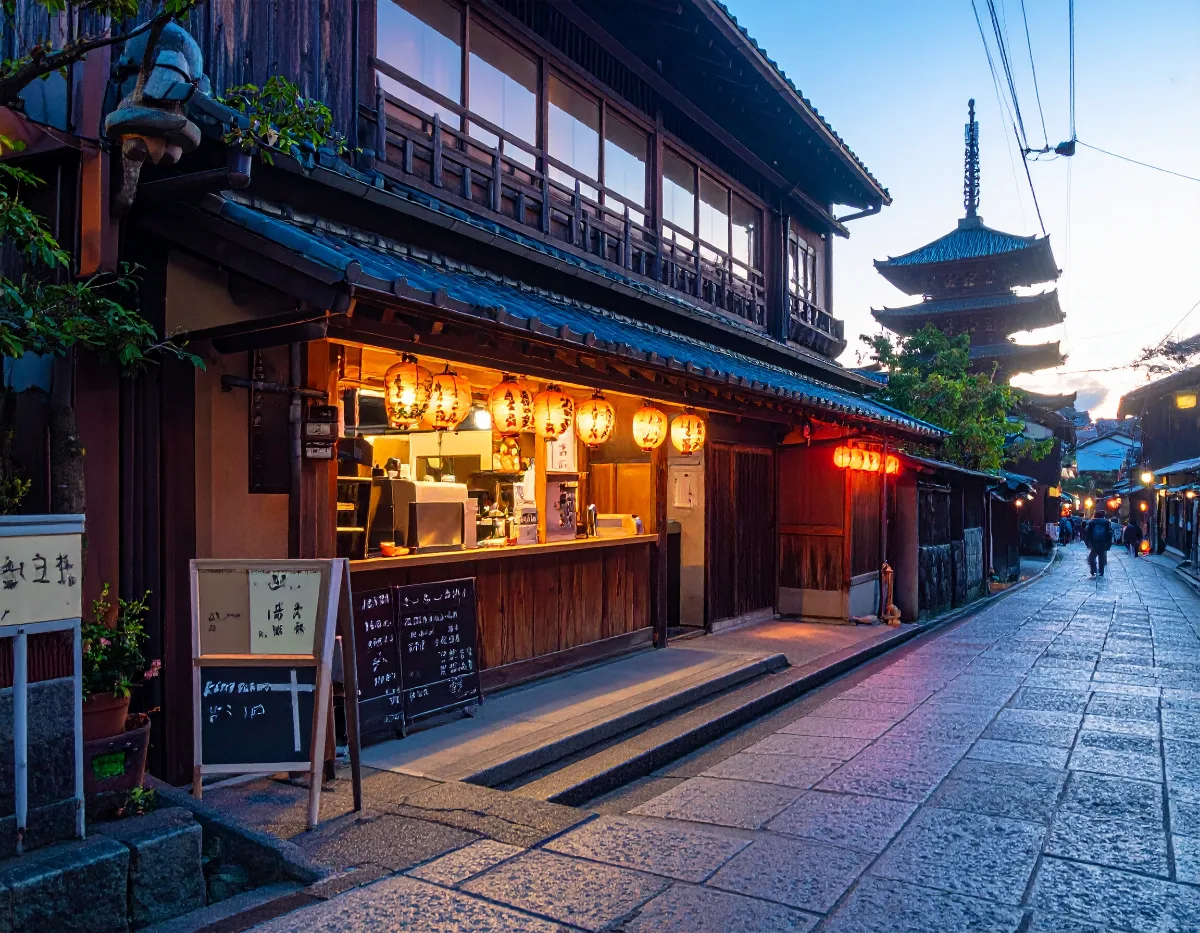
Kiyomizu-dera keeps a consistent schedule year-round, opening its gates at 6:00 and closing at 18:00, extended to 18:30 during the summer months. Arriving in the 6:00 hour means walking the approach and the main hall's wooden stage with very few other visitors around, a sharp contrast to the crowds that build later in the morning. The temple's amulet and omamori counters, along with the goshuin stamp desk, don't open until around 8:00, so the smart order is to head to the main hall first and swing back to the counters on the way out, once they're staffed and ready. Getting there early is straightforward: city buses toward Kiyomizu-michi start early in the morning from the Kyoto Station area, putting travelers within a short walk of the gate before most of the city is awake.
Arashiyama's Bamboo Grove Before the Tour Buses: A Timing Plan
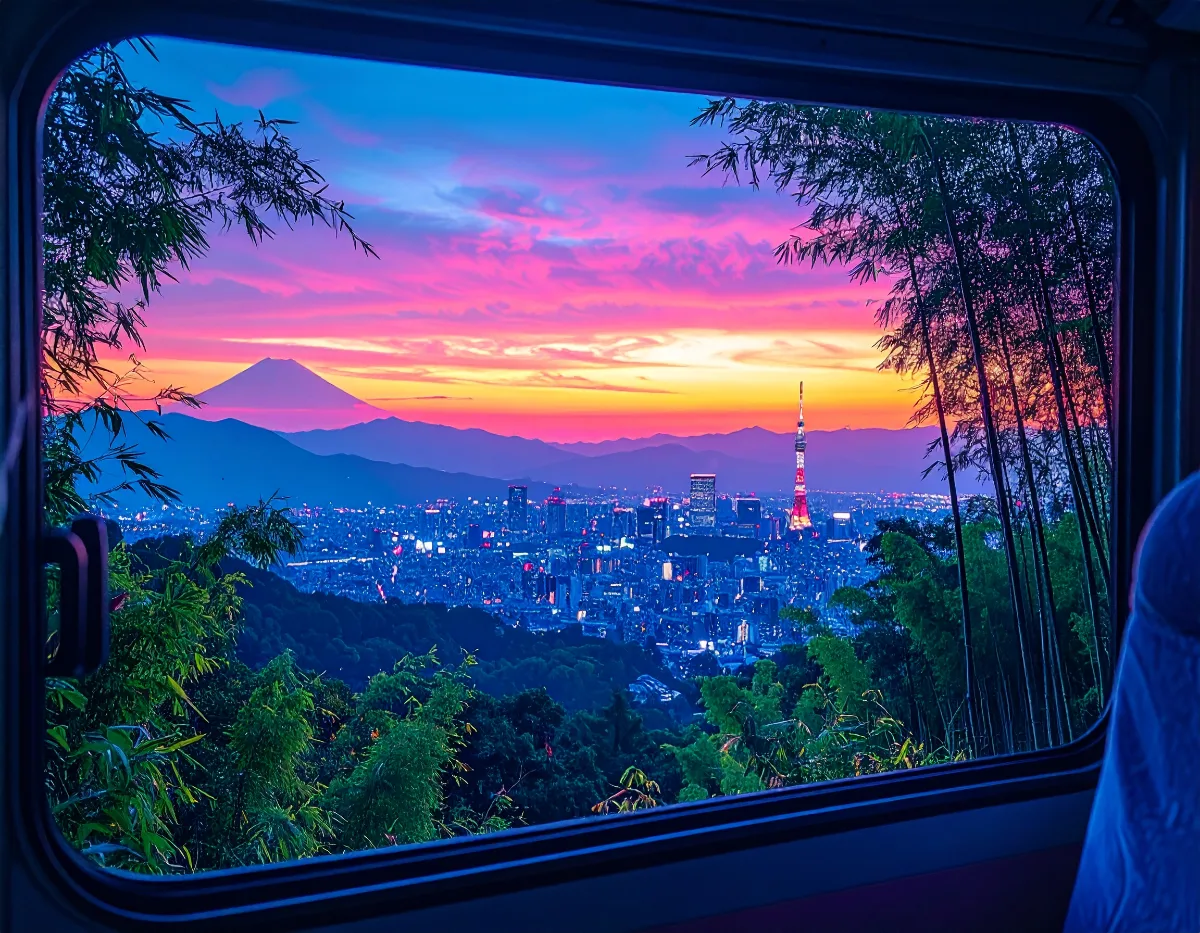
The Bamboo Grove path in Arashiyama has its own rhythm, with the quietest stretch falling between about 6:00 and 8:30, and the heaviest crowds arriving between 11:00 and 15:00. Because Arashiyama sits on the opposite side of the city from Fushimi Inari, fitting all three sights into one morning takes a bit of sequencing. One approach is to start at Fushimi Inari right after sunrise, then head to Kiyomizu-dera while it is still quiet, and save Arashiyama for later in the morning before the midday peak sets in; another is to flip the order and open with Arashiyama first, since its best window closes earliest. Either way, allowing a rough hour or so for travel between each area keeps the plan realistic without pinning down an exact schedule, since traffic and train timing can shift the day around.
Packing Light for a Walking Morning in Kyoto
In the stretch of time before the city's train and bus lines are fully running, a few sights within walking distance of each other can still be strung together on foot, which is part of what makes an early night bus arrival worthwhile. Leaving the main luggage in a station locker and carrying only a small bag makes this kind of walking morning far more comfortable, especially once the sun is up and the day warms. In seasons with long walking stretches, light layers, comfortable shoes, and a bottle of water are worth packing before heading out, since some of these routes involve a fair amount of ground on foot. None of this has to follow a fixed script—the order of stops, how much walking versus riding to include, and how many sights to fit in can all be shaped around the group's pace and interests. Check departures and seats on the route page before you plan your morning.

Check Seats & Fares
Choose your departure area to see routes and seats.