Japan Night Bus Luggage Rules: One Bag Per Person & Storage Guide
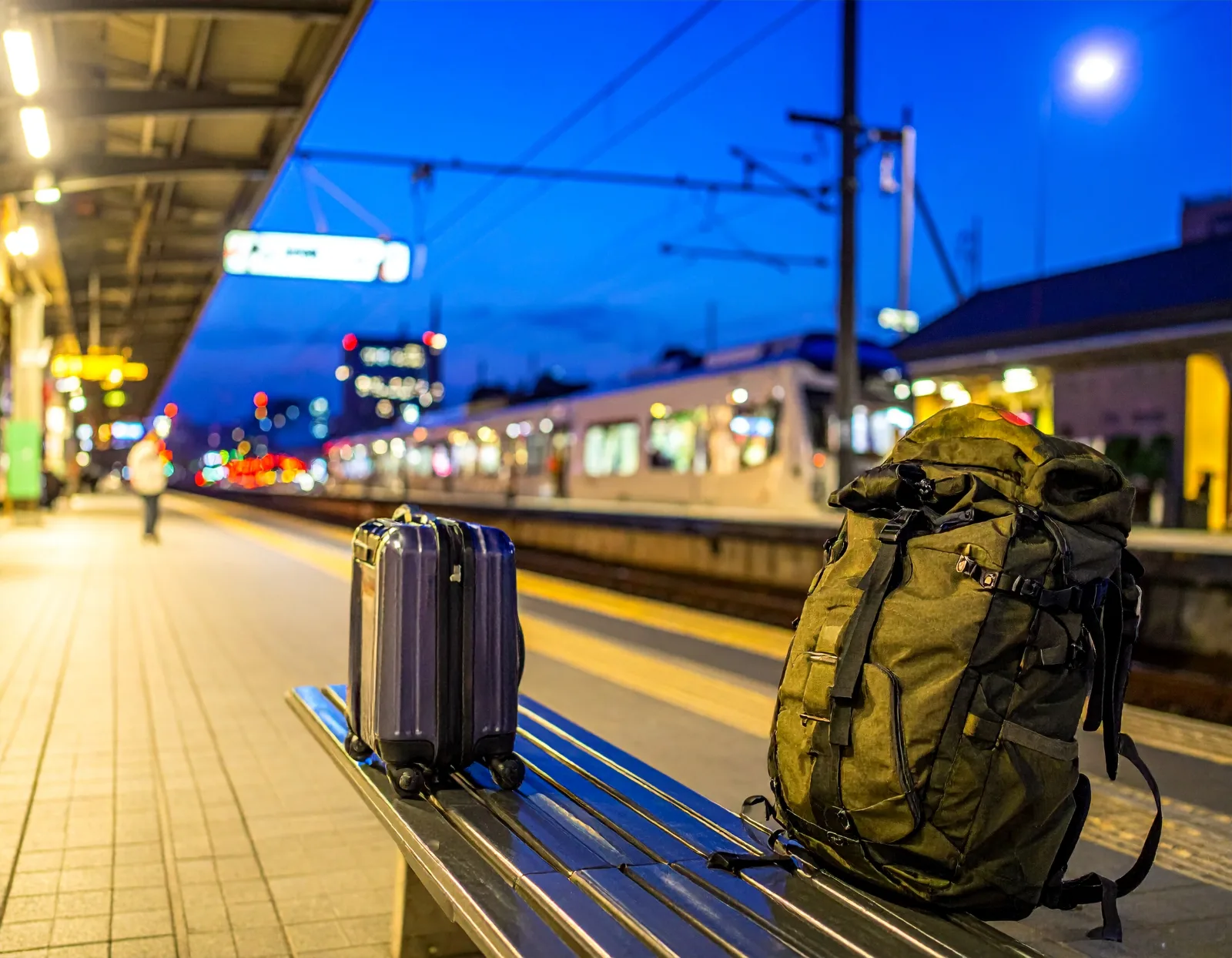
Checking Japan Night Bus Luggage Rules Before You Pack
Traveling between Tokyo/Yokohama and the Kyoto–Osaka–Kobe area on an overnight bus is one of the easiest ways to fit more sightseeing into a short trip, but the underfloor trunk space is shared among everyone on board, so it helps to know the basic rule before you book: each passenger is allowed one bag in the trunk. On Tabinosuke Bus night bus routes, staff load every bag into a below-deck trunk by hand in the order passengers check in, so having a single, well-sized case ready makes boarding faster for everyone.
How Many Bags Can You Bring?
The rule that matters most on a Japanese night bus is simple: one bag per passenger goes into the underfloor trunk. This keeps the loading process quick and fair, since staff are fitting everyone's luggage into the same shared space by hand before departure. If you're traveling as a pair or a family, that means each person checks in their own single case rather than combining bags into one shared allowance.
What matters for your one bag is that it's a reasonable suitcase that can be handled and stowed safely alongside everyone else's — an oversized crate or multiple bags bundled together as "one" won't work. If your case is unusually large or you have a special situation, it's worth confirming ahead of time. For Tabinosuke Bus specifically, check the onboard facility page before you pack rather than assuming.
Will a 29–32 Inch Suitcase Fit?
Most suitcases marketed as "29-inch" or "32-inch" are measured on the diagonal, which can make them sound bigger or smaller than they really are once you picture them next to a bus trunk door. As your one checked bag, a large suitcase in this size range travels without any trouble on most departures — what staff are really checking for is that it's a single, standard suitcase shape that can be lifted and packed in efficiently, not a stack of bags or an oversized crate. If your case is unusually heavy or oddly shaped, it's worth mentioning at check-in so staff can plan for it. For the current allowance on your specific coach, check the onboard facility page before you travel.
What If Your Bag Doesn't Fit or the Trunk Is Full?
If a bag is oversized, overweight, or you're traveling with more than the one-bag allowance, it can be turned away even if it's otherwise a normal suitcase. For a Tokyo-area departure, Shinjuku Bus Terminal has four reliable backup options:
- General coin lockers on the 4th floor of the terminal, sized for standard suitcases
- 211 extra-large coin lockers built for oversized suitcases — a separate facility located behind the Shinjuku Tourist Information Center
- SHINJUKU SERVICE CENTER, a staffed baggage service inside the terminal operated by Sagawa Express, which can hold a bulky case for same-day pickup or forward it ahead to your hotel
- Sending a case to your Kyoto, Osaka, or Kobe hotel by courier a day or two before your bus, or renting a lighter case locally, to sidestep the issue entirely
Items That Won't Go in the Trunk, Even If They're the Right Size
Size isn't the only rule. The following are commonly refused for the underfloor trunk on Japanese night buses even when they fit the size limit, because their shape makes them hard to secure safely alongside other passengers' luggage:
- Surfboards
- Bicycles, including folded ones
- Musical instruments
- Precision electronics
- Hazardous materials
- Cardboard boxes
If your trip involves gear like this, get in touch before booking so the right storage can be arranged.
Quick Packing Checklist for First-Time Riders
- Remember the basic rule: one bag per person goes in the trunk, so pack everything you're checking into a single case
- Keep valuables, chargers, and anything you'll need overnight in a smaller bag you carry with you, since the underfloor trunk only opens again at your destination
- If you're arriving in Japan with checked luggage from an international flight, forward one case ahead by courier and travel with a lighter day bag on the night bus to keep both the airport and the bus stress-free
- Booking a Tabinosuke Bus route? Confirm any exceptions to the one-bag allowance for your coach on the onboard facility page before you pack
Boarding Smoothly With Your Luggage
Arrive with enough time for staff to check and load each bag by hand, and make a note of which section your case goes into if you'll need to retrieve it for a same-day return. Since boarding announcements and the check-in process are handled primarily in Japanese, having a Japanese-speaking companion or guide with you can make things go more smoothly if you're not confident with the language. Every seat on a Tabinosuke Bus night bus is a 4-row wide seat with a power outlet and a blanket, and cars 2 and 3 include an onboard toilet, so once your one bag is stowed you won't need to access it again until arrival. The one-bag-per-person rule keeps loading quick for everyone, so it's always worth a quick check at the time of booking if your situation is a little different.

Check Seats & Fares
Choose your departure area to see routes and seats.