Japan Rail Pass vs Night Bus: Which Saves You More Money in 2026?
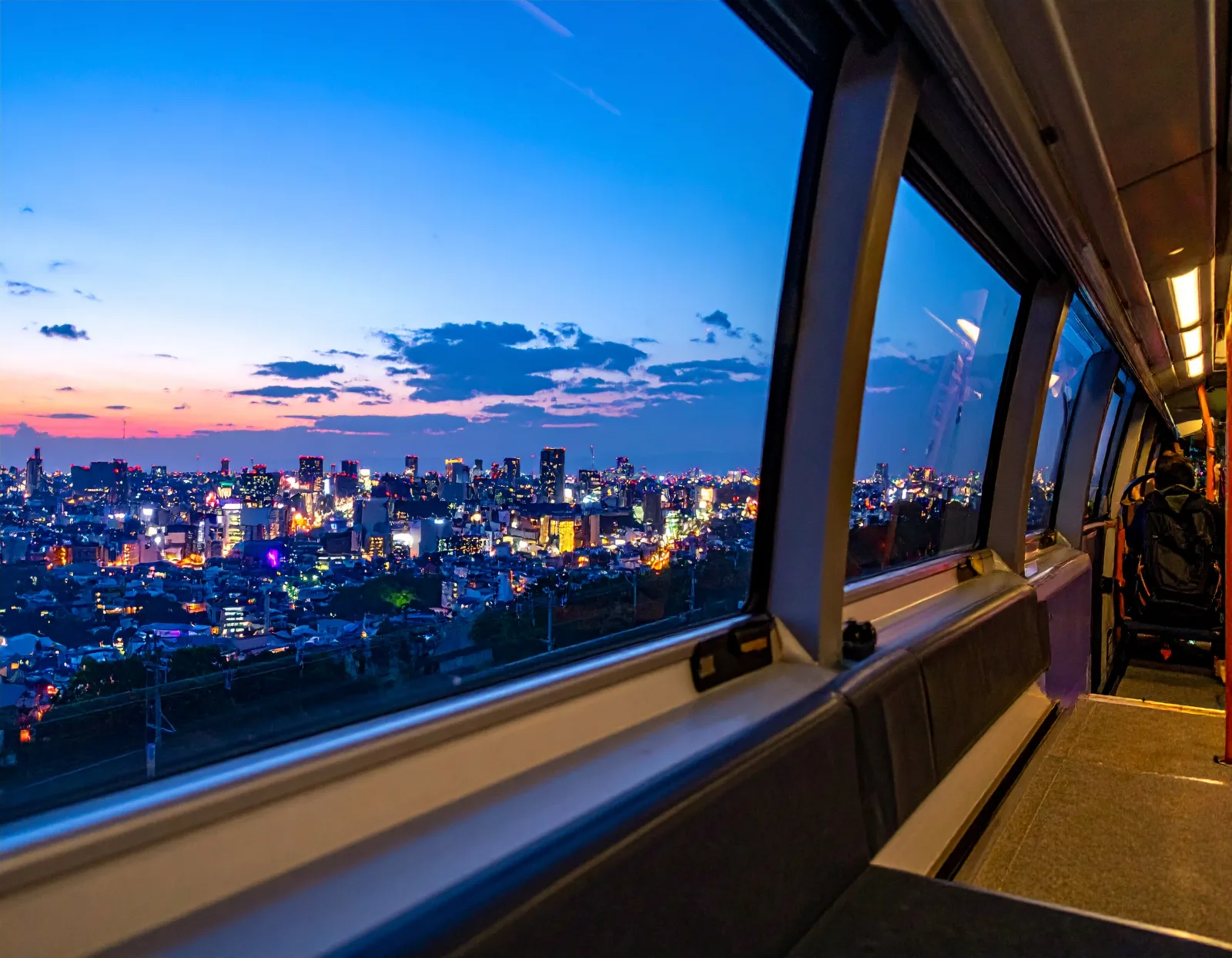
Should You Choose a Japan Rail Pass or a Night Bus?
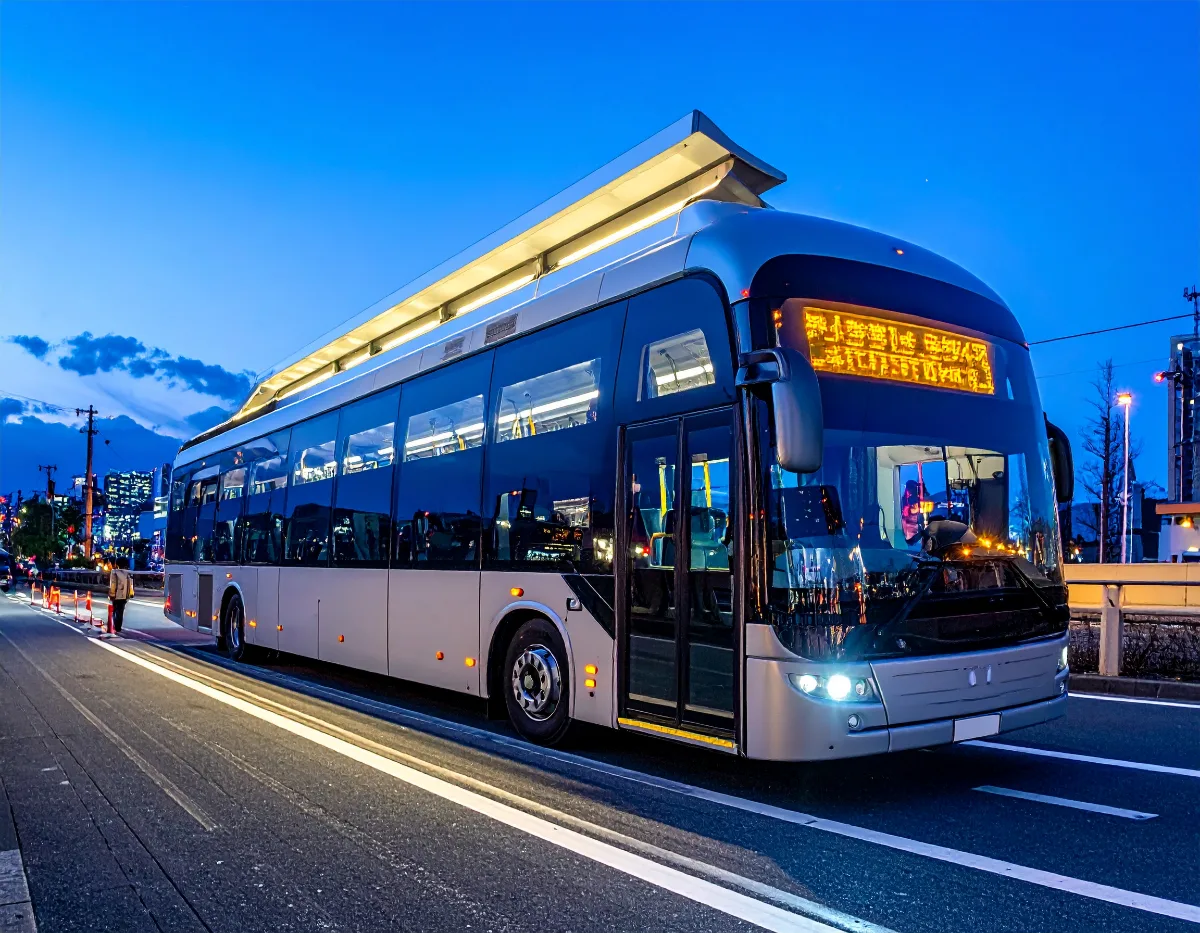
If you care most about the total cost of your trip, the night bus almost always wins. If minimizing travel time and getting a proper seat is the priority, the Shinkansen (and by extension, a Japan Rail Pass) is faster point-to-point. If you already hold a rail pass for a short, multi-city itinerary, use it on the shinkansen legs and save the night bus for the routes it doesn't cover as efficiently.
Here's the fast version: budget-first travelers on a single Tokyo–Osaka hop should book a night bus. Comfort-first travelers who want a full seat and to arrive in daylight should take the Nozomi. Travelers who already bought a 7-day or longer Japan Rail Pass for a multi-city loop (Tokyo–Kyoto–Osaka, for example) should simply use the pass they have and treat the night bus as a bonus option for legs the pass doesn't cover well.
One thing to keep in mind: a Japan Rail Pass is only sold to short-term visitors entering Japan on a temporary visitor (tourist) status, or to Japanese nationals who have lived overseas continuously for 10 years or more. If neither applies to you, the pass isn't an option at all, and the price comparison below applies to regular tickets instead.
Real Cost Comparison: JR Pass vs Night Bus (Tokyo–Osaka)
As of 2026, a 7-day Ordinary Car Japan Rail Pass bought at a station counter costs 50,000 yen — a steep price compared with the 29,650 yen it used to cost bought the same way. That single number changes the math for a lot of travelers, especially anyone who isn't covering several long-distance legs on their trip.
A one-way reserved seat on the Nozomi shinkansen between Tokyo and Shin-Osaka costs about 14,720 yen and takes roughly 2 hours 30 minutes. A one-way seat on a night bus covering the same Tokyo–Osaka route typically runs 4,000 to 6,000 yen and takes 8 to 10 hours, depending on the operator and departure time.
Run the numbers on a simple round trip: two Nozomi rides cost about 29,440 yen, while two night bus rides run roughly 8,000 to 12,000 yen — a gap of roughly 17,000 yen or more, before you even factor in the 50,000 yen pass. Unless your itinerary includes several more long-distance train rides beyond one Tokyo–Osaka round trip, the pass is unlikely to pay for itself, and the night bus comes out clearly ahead on price alone.
Travel Time and Comfort: Can You Lie Down? What's Onboard?
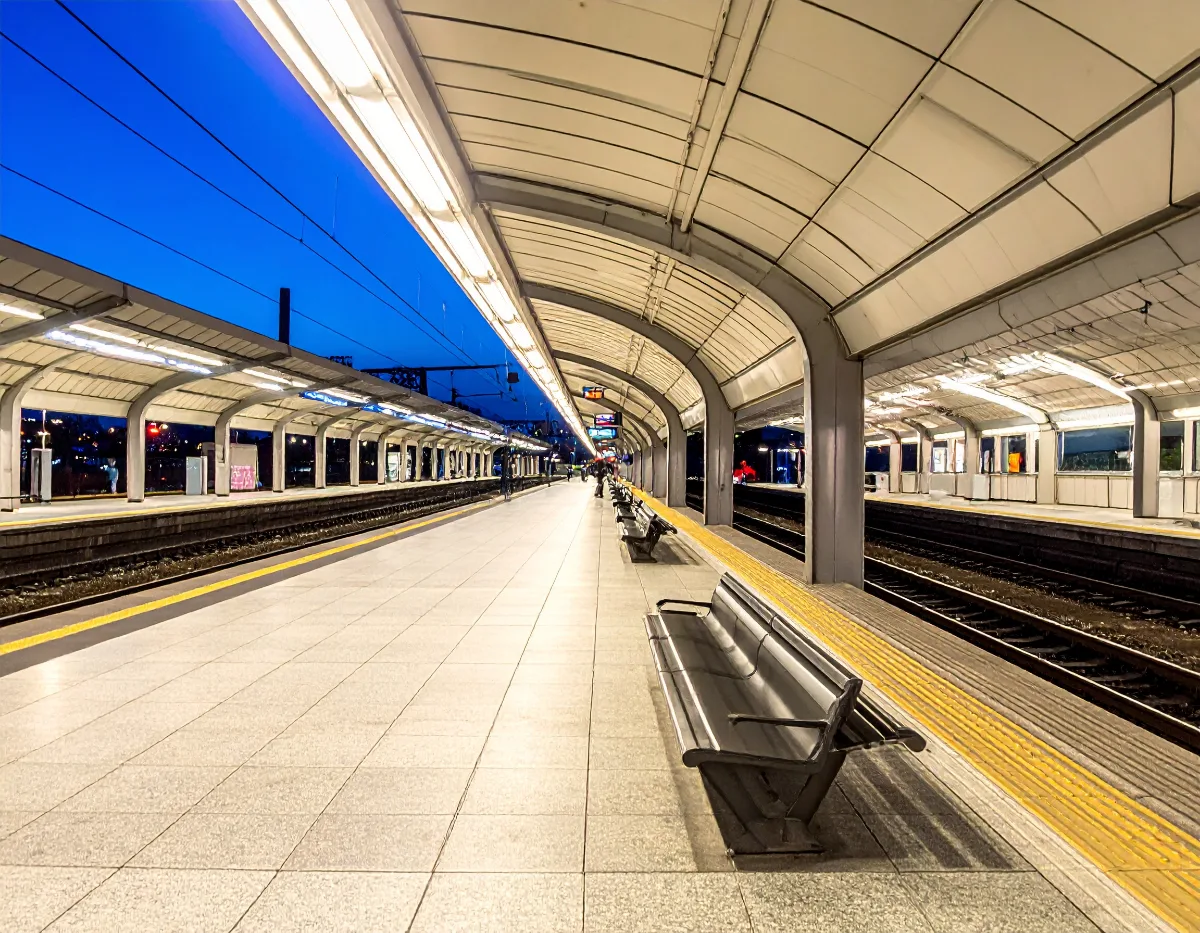
The 2.5-hour shinkansen ride and the 8-to-10-hour night bus ride aren't really the same kind of trip. The bus departs in the evening and arrives the next morning, so those hours double as your night's accommodation — you save on a train ticket and a hotel room in one move.
Onboard amenities vary by operator and by vehicle, but a night bus seat on this route commonly comes with a power outlet, a blanket, a curtain for privacy, and a footrest, and some coaches also have an onboard toilet. Because the exact lineup of equipment differs from bus to bus, it's worth checking what a specific departure includes before you book rather than assuming every seat is equipped the same way. Take a look at the onboard facilities page for photos of the actual seats and cabin layout on the buses you can book.
What It's Really Like Riding the Night Bus from Tokyo to Osaka
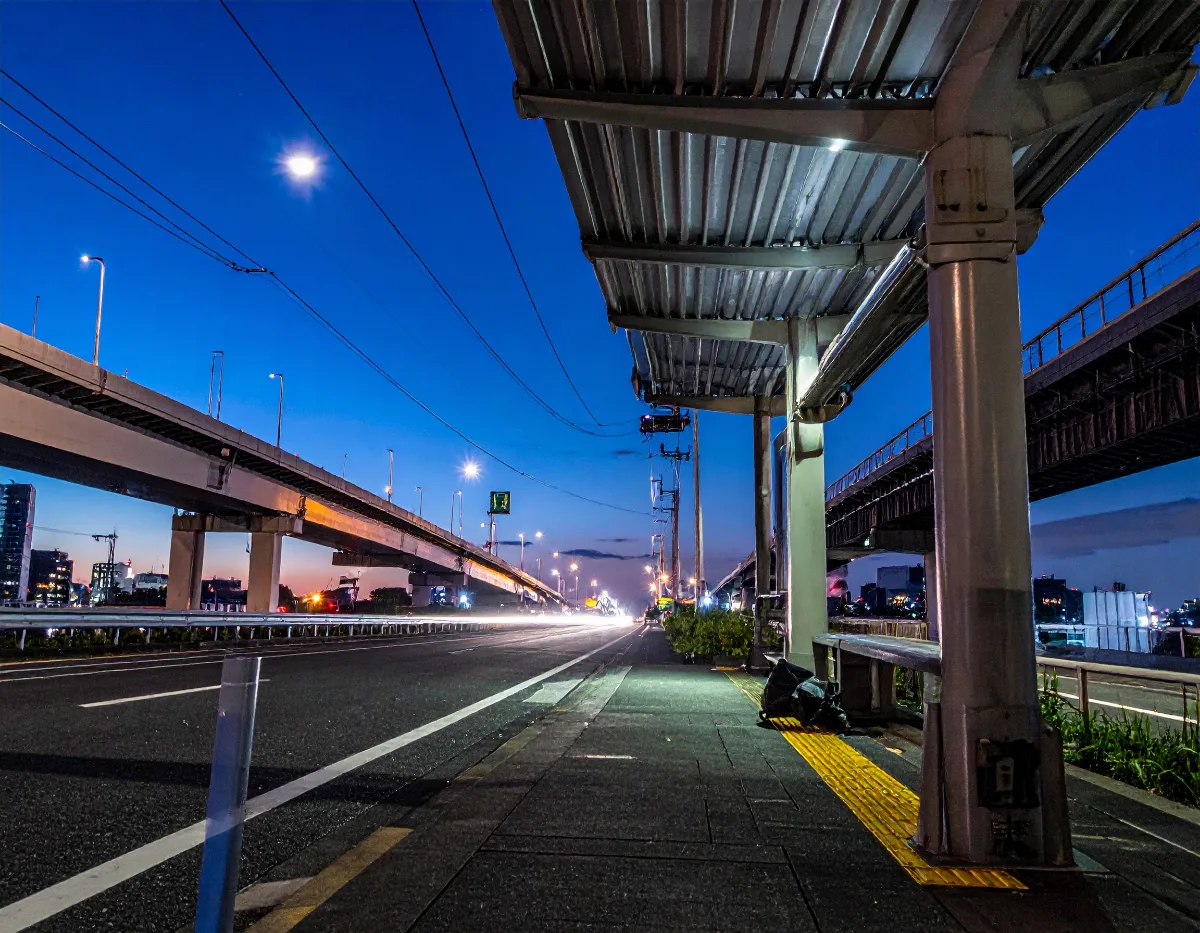
Booking starts with picking your departure time and seat type; exact fares depend on the trip date and remaining seats, so it's worth checking the current price at the time you book rather than going by a fixed number. Boarding happens in the evening, the cabin lights dim not long after departure, and the bus makes a stop or two at a highway service area along the way if you want to stretch your legs or grab a snack.
Most passengers spend the ride resting under a blanket with the seat reclined, wake up as the bus nears the city, and step off in Osaka in the early morning with the whole day still ahead of them. Full route and departure time details are on the route page.
Morning in Osaka After Your Night Bus: What to Do and What to Pack
The standard move after an early-morning arrival is to drop your bags in a station coin locker first, then head to a shower-equipped internet cafe or an early-morning public bath or spa to freshen up before sightseeing — it's a routine plenty of night bus travelers already follow, and it works well whether you're heading straight into a full day of walking or just want to feel human again.
Pack an eye mask, earplugs, and a neck pillow in your carry-on so the ride itself is easier to sleep through. If your trip lands in early-to-mid August, it's worth timing it around two of the region's biggest events: the Awa Odori dance festival in Tokushima runs August 12–15, drawing well over a million visitors to one of the largest dance festivals in the country, and the Biwako Fireworks Festival lights up the lake in Otsu on the evening of August 6, with roughly 12,000 fireworks launched over about an hour.
Booking Checklist: What to Confirm Before You Go
Before you book, confirm four things: your departure date and preferred boarding point, which seat type and onboard amenities you want (since these vary by vehicle, so check the facilities page for the specific departure), what you'll need to have with you at the terminal, and the exact fare and cancellation terms shown at the time of booking, since both vary by trip.
If you're holding a Japan Rail Pass for a wider multi-city trip, use it for the long shinkansen legs and treat the night bus as the flexible, budget-friendly option for point-to-point hops the pass doesn't make more efficient. If you don't have a pass, or your itinerary is really just Tokyo and Osaka, the night bus is the simpler and cheaper way to make the trip. Check the full schedule and routes to find a departure time that fits your plans.

Check Seats & Fares
Choose your departure area to see routes and seats.