Lights-Out Etiquette on Japan's Night Buses
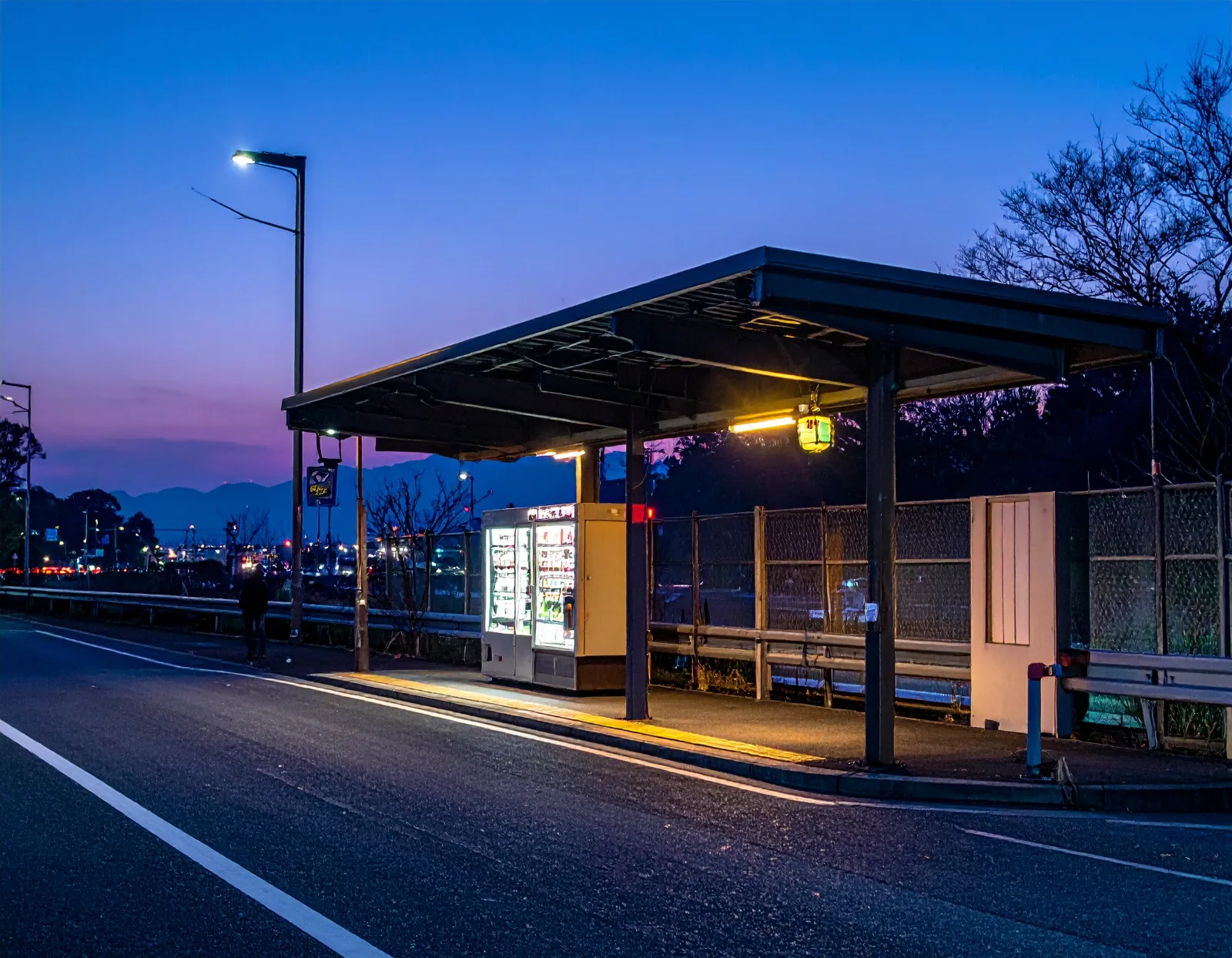
What Actually Changes Once the Lights Go Out on a Japanese Night Bus?
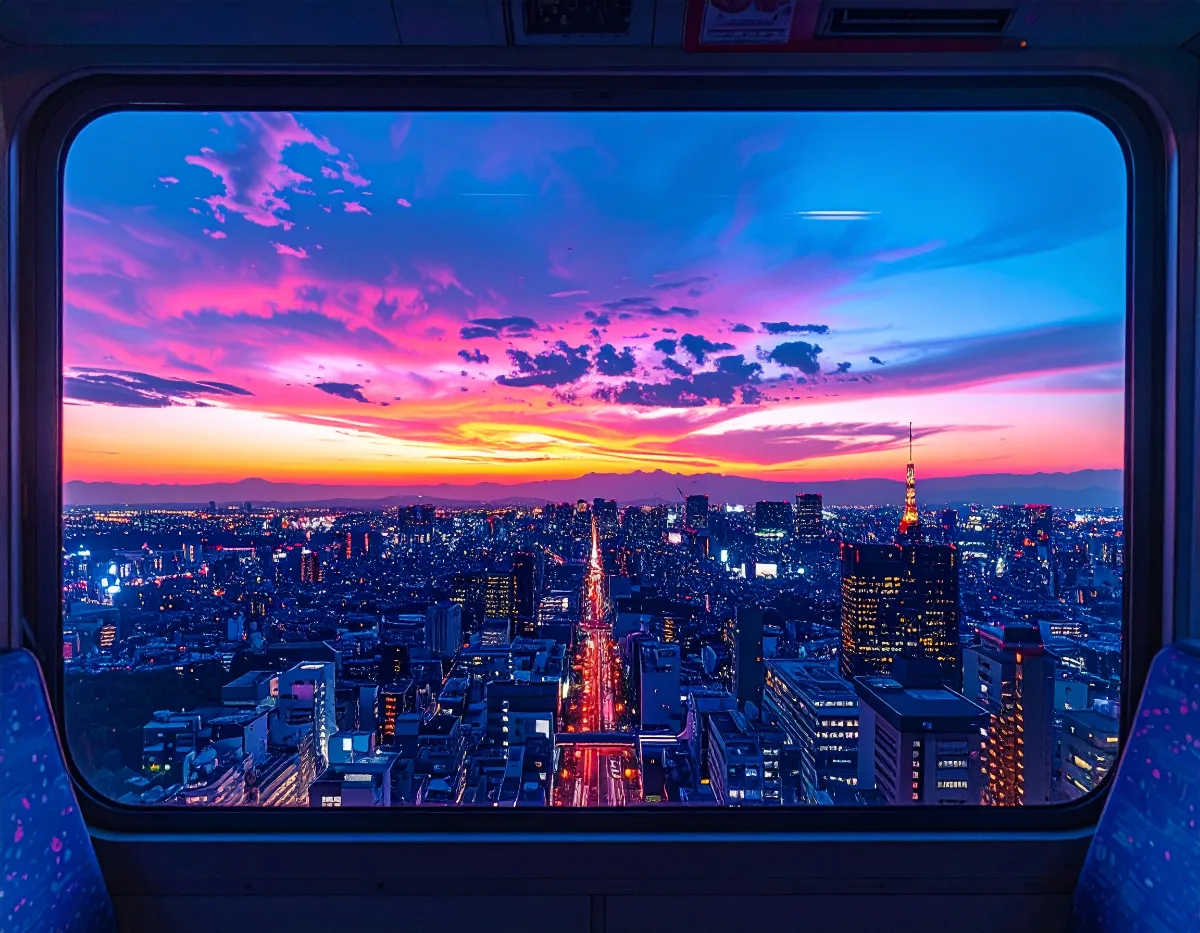
On most Japan night buses, the cabin lights dim somewhere between 23:00 and 24:00, once the last pickup point of the evening has been cleared — the exact moment moves around a little depending on that day's schedule and traffic. Right before it happens, the driver usually makes a short announcement over the PA, something like "まもなく車内の照明を落とします" ("We will now turn off the cabin lights"), sometimes followed by a gentle reminder to keep things quiet for the rest of the journey.
From that point on, the baseline rule is simpler than it sounds: even a phone screen's backlight carries a surprising distance across a pitch-dark cabin, and it's often enough to wake the person dozing two rows up. Almost every other piece of night bus etiquette — reclining, calls, snacks — traces back to that one fact.
Is It Okay to Recline My Seat Without Saying Anything First?
Reclining itself isn't the problem — skipping the heads-up is. The local habit is a quick word to the passenger behind before easing the seat back slowly, never letting it drop in one motion. It's less a suggestion than it sounds: on these kinds of buses, it's a recognized pattern that a traveler from abroad reclines without a word, and the passenger behind — caught off guard mid-drink or mid-laptop — ends up in a tense back-and-forth that a single "すみません" would have avoided entirely. The seat isn't really the issue; the silence is.
The phrase locals actually use is "すみません、イスを倒してもいいですか?" ("Excuse me, may I recline my seat?"), often shortened to just "倒してもいいですか?" once the "すみません" has already done its job. It works both ways — if the seat ahead of you tips back into your space without warning, the same line works on them too.
Seat pitch and the exact recline angle vary by seat position, and so does what's actually fitted at each seat, so rather than guessing, it's worth checking the layout on the 車内設備 page before you board.
Can I Take Calls or Text After Lights-Out?
Voice calls are a no once the lights are off — the trick is switching your phone to silent or vibrate before boarding, not scrambling for the button mid-ride if it rings. Texting after lights-out is something to hold off on as a rule too; if it's genuinely unavoidable, keep it to earphones only, volume at its lowest, and screen brightness turned all the way down.
A simple rule of thumb covers almost every edge case: if you wouldn't want it happening right next to your pillow at 2 a.m., don't do it in the seat behind someone else's.
How Do Rest Stops Work, and What Should I Do During One?
Night buses typically pull into a service area roughly every two to three hours — sometimes every 1.5 to 2 hours depending on the route — for a 15 to 30 minute break. The order that works best is restroom first, then the vending machines for a drink or a light snack; it's a stretch-your-legs stop, not a sit-down meal.
The driver usually announces the departure time before everyone gets off, so if your Japanese is limited, just note the clock time rather than trying to catch every word. If you're mapping out a trip between Tokyo, Yokohama, Kyoto, Osaka, or Kobe, the 夜行バスの路線一覧 page is the easiest way to see how a specific departure's stops line up with your schedule.
What Foods and Smells Should I Avoid Bringing Onboard?
Strong-smelling food, crunchy snacks like rice crackers, and anything with a lingering odor are best eaten before boarding or during a rest stop rather than in a dark, quiet cabin. Alcohol is also worth skipping onboard out of consideration for the people sitting around you.
The general principle is to finish eating before lights-out, not mid-cabin once everyone else has settled in for the night.
A Few English Phrases That Prevent Awkward Moments
A handful of short lines cover most situations: "Excuse me, may I recline my seat?" for reclining, "Could you keep it down a little, please?" if things get noisy, and "Do you need any help?" paired with a simple gesture if someone nearby looks lost or unwell. Screenshot this list before you board — it's easier than typing mid-journey with the lights off.
Most of the cabin will already be asleep by the time any of these phrases matter, which is really the whole point of all of it — the smoothest rides are the ones where nobody ends up needing them at all.

Check Seats & Fares
Choose your departure area to see routes and seats.