Seeing Kyoto's Temples in the Early Morning: The Overnight Bus Trick Tourists Love
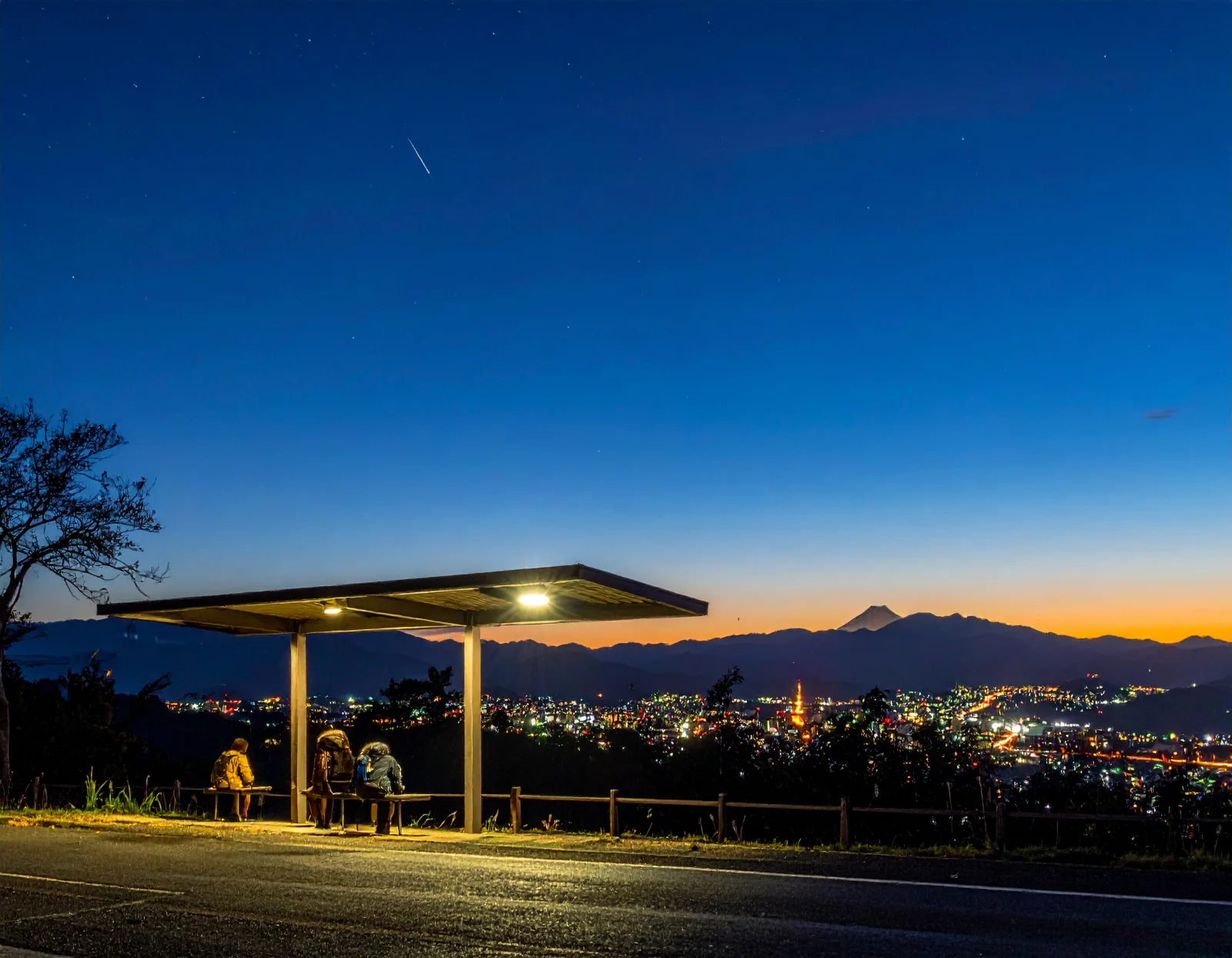
The Verdict: If You Arrive by 6–7 AM, Visit Toji → Fushimi Inari → Kiyomizu-dera With Time to Spare Before Late Morning
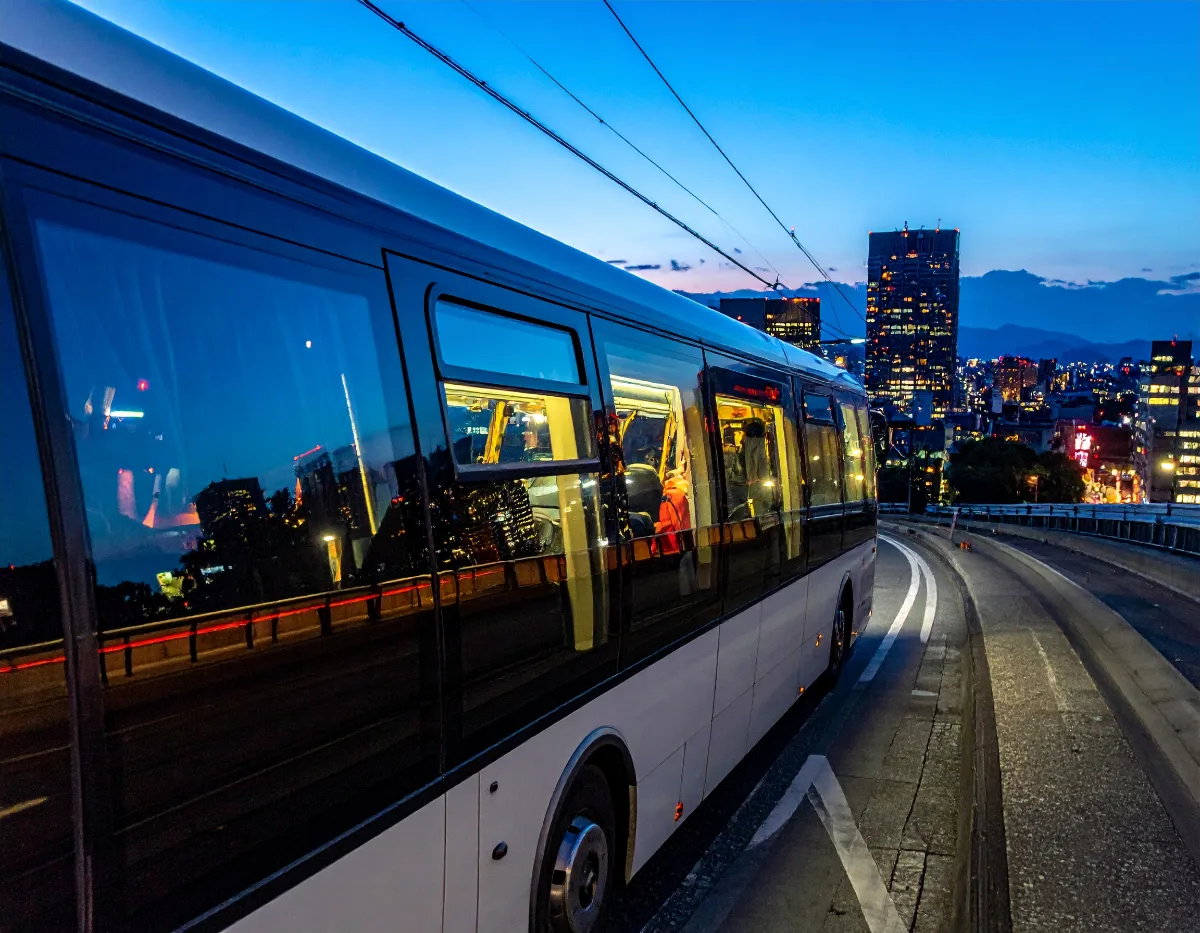
If your overnight bus rolls into Kyoto Station between 6 and 7 in the morning, you have a rare window that most daytime visitors never get: three of Kyoto's most photographed temples in the early morning, with far fewer people around than you'd see later in the day. The order matters. Start at Toji, whose grounds open at 5:00 AM, so it's already waiting for you the moment you step off the bus. From there, move on to Fushimi Inari Taisha, where the shrine office opens at 7:00 AM and the famous torii gate tunnels stay relatively calm until crowds build from 8:00 AM onward. Finish at Kiyomizu-dera, which opens at 6:00 AM and closes at 6:00 PM.
Don't underestimate the gaps between stops. Getting from Toji to Fushimi Inari Taisha means heading back toward Kyoto Station and taking a short train connection (JR Nara Line or a Keihan transfer), while Fushimi Inari to Kiyomizu-dera has no direct train link at all, so you're looking at a bus or taxi ride instead. Treat those as rough transfer estimates rather than fixed numbers, since the fastest connection can shift depending on the time of day — it's worth double-checking the route on a map app before you set off. Even with those transfers built in, a realistic target is having all three temples covered by late morning, roughly by 10:00–10:30 AM depending on how long you linger at each stop — still early enough to beat the bulk of the day's crowds.
From the Bus to Freshening Up: What to Do Right After You Arrive
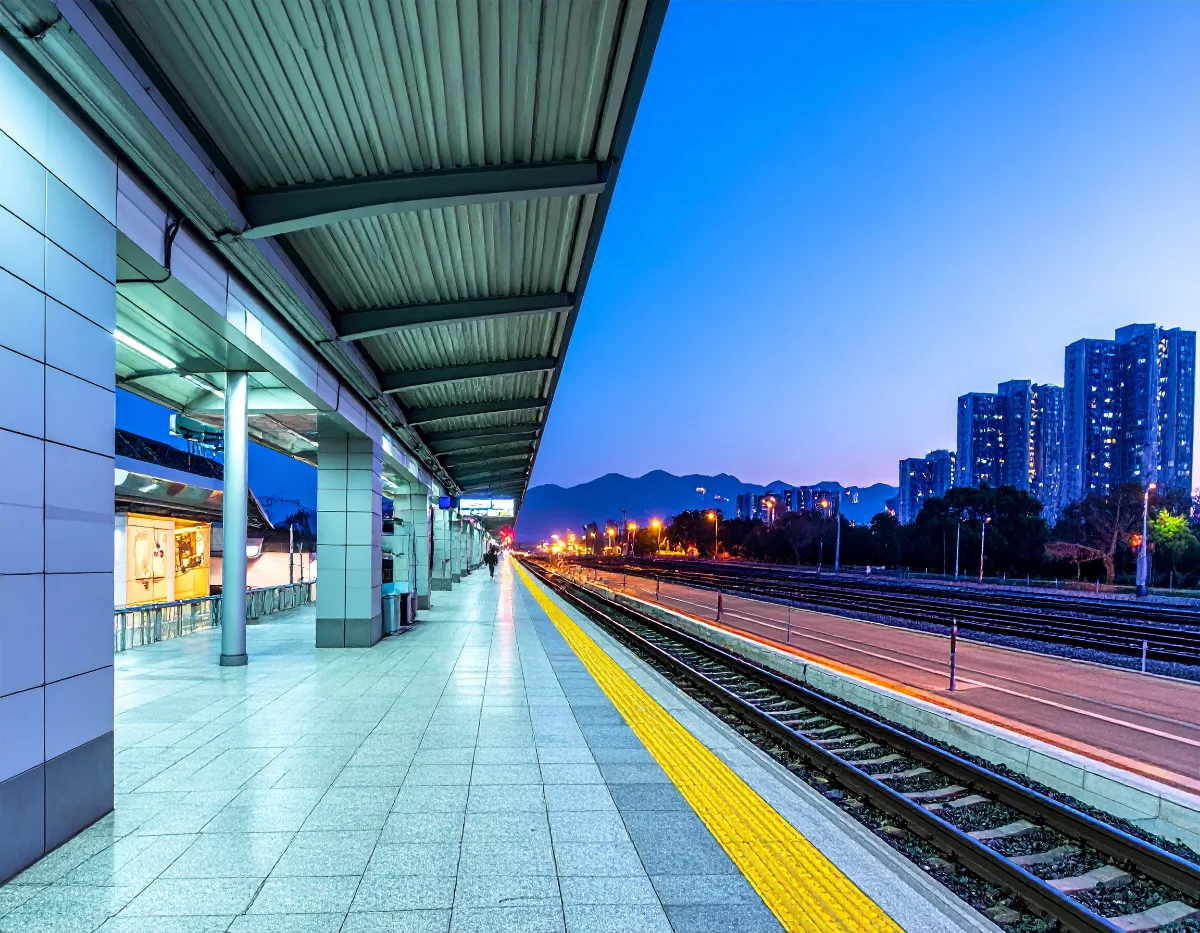
Overnight buses typically pull into the Hachijo-guchi side of Kyoto Station, at the bus terminal reached by exiting through the Hachijo East Exit toward Kyoto Avanti, crossing the pedestrian crossing, and turning left. 81spd's own Tokyo–Kyoto overnight service is scheduled to reach this Hachijo-guchi terminal within that same 6–7 AM window, which is exactly the timing this itinerary is built around. From there, your first stop should be dealing with your luggage. Here's what's available right at the station:
- JR Kyoto Station lockers: open 4:30 AM–12:20 AM (24:20) — early enough for any overnight arrival
- 24-hour outdoor lockers around Hachijo-guchi and Karasuma-guchi: roughly ¥400–700 depending on size
- Staffed baggage counter at Hachijo-guchi: around ¥700 per item if the lockers are full
Once your hands are free, if you still have time before sunrise sightseeing begins, the underground Porta shopping mall beneath the station has free seating with power outlets — a comfortable spot to change clothes, check a map, or just wait out the last half hour. And if you're curious what made the ride here so easy on your legs, our onboard seating and amenities page covers what's on every bus.
Toji Temple: What Can You See at Dawn, and Is the Main Hall Open Yet?
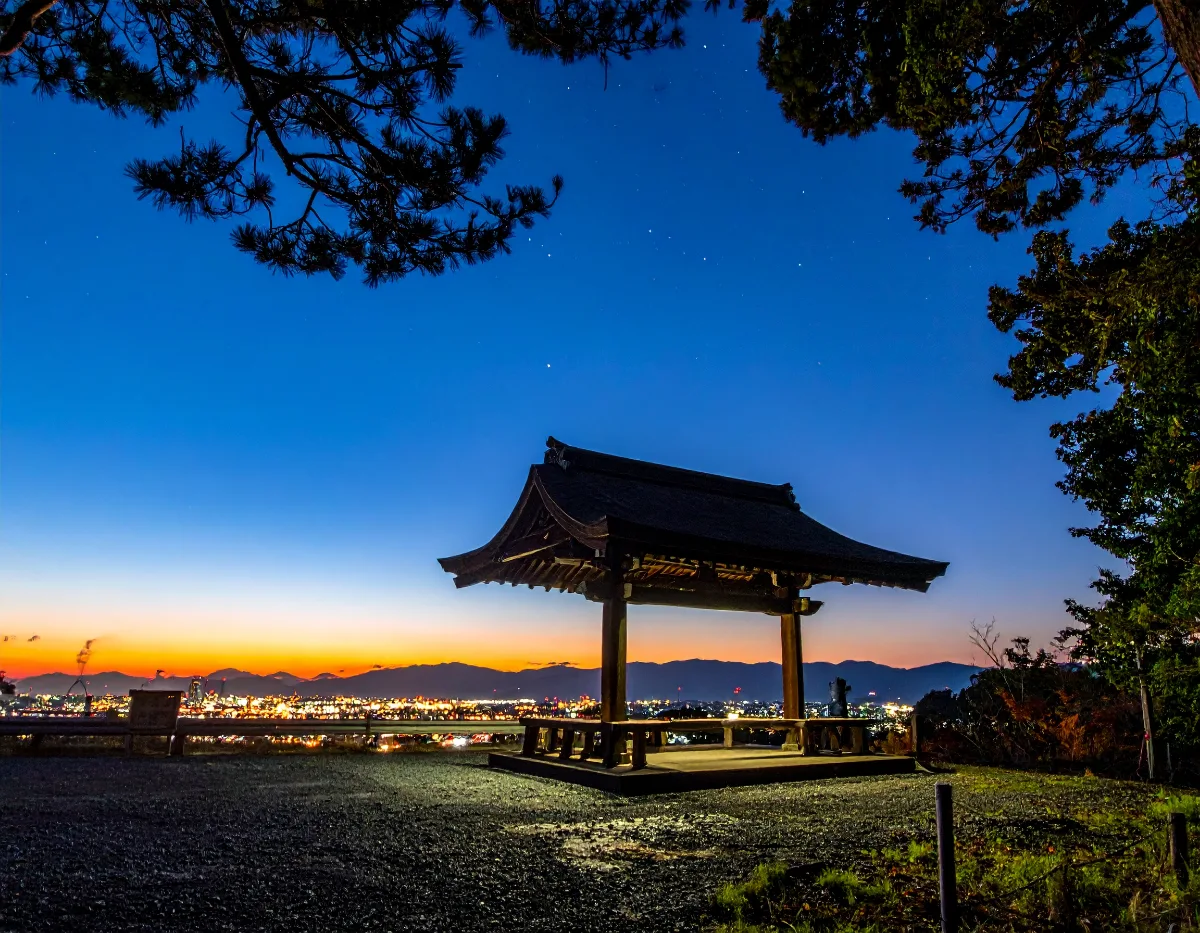
Toji's grounds are open from 5:00 AM to 5:00 PM, so early arrivals can walk right in. What you won't be able to do yet is enter the Kondo (main hall) or Kodo (lecture hall) — those open at 8:00 AM and stop accepting entry at 4:30 PM. That means an early morning visit is really about the grounds themselves, with almost no one else around, rather than the temple's interior halls. Budget around 20–30 minutes here, enough to enjoy the exterior views before moving on toward Fushimi Inari.
Fushimi Inari Taisha: The Best Time to See the Torii Gates Without the Crowds
Fushimi Inari Taisha is open for worship 24 hours a day, free of charge, and the shrine office opens at 7:00 AM. Based on how visitor numbers actually build through the day, crowding starts picking up from 8:00 AM and peaks between noon and 3:00 PM — which makes the 7:00–8:00 AM window the sweet spot for walking through the thousands of vermilion torii gates at a relaxed pace and getting clear photos without a line of people in every shot. If timing your day around crowd levels matters to you, look up Kyoto City's official tourism congestion map (search for "京都観光快適度マップ" / Kyoto Tourism Comfort Map) before you head out — it color-codes major sightseeing areas, Fushimi Inari included, by expected congestion level through the day in roughly hourly increments, so you can double-check whether the 7:00–8:00 AM window is still holding up on the day you visit.
Kiyomizu-dera: What to Expect as Your Third Stop, and Can You Get a Goshuin Stamp?
Kiyomizu-dera opens at 6:00 AM and closes at 6:00 PM, but if you're following this route as written, you'll likely reach it as your third stop rather than right at opening — realistically somewhere in the 9:00–10:00 AM range once you account for the earlier temples and the transfers between them (treat that as a rough estimate, since actual transfer times can vary — worth confirming on a map app the day of). By then it's no longer the near-empty scene you'd find at 6:00 AM sharp. It's still noticeably calmer than the tour-group crowds that build from mid-morning onward, though, and you'll mostly share the grounds with local worshippers and other independent early risers rather than large groups. That's enough breathing room to take your time on the famous wooden stage and enjoy the view over the hillside without heavy jostling. If catching Kiyomizu-dera at its quietest, right after 6:00 AM opening, matters more to you than the crowd-timing logic behind Fushimi Inari, consider visiting Kiyomizu-dera first instead and rearranging the rest of the route around it. One thing to keep in mind either way: the temple's amulet and goshuin (stamp) counters don't open until around 8:00 AM, so if collecting a goshuin is on your list, this stop naturally lines up better later in the morning than right at opening.
After Your Temple Run: What to Check Before Your Next Overnight Bus
Once you've covered all three temples, it's worth knowing that Kyoto City raised its lodging tax starting in March 2026:
- Stays priced from ¥50,000 up to just under ¥100,000 per night: additional ¥4,000 per night
- Stays priced at ¥100,000 or more per night: additional ¥10,000 per night
The funds go toward managing crowding and preserving cultural sites around the city. The congestion map mentioned earlier is worth bookmarking for the rest of your trip too. When you're ready to plan your next overnight leg between Tokyo/Yokohama and Kyoto/Osaka/Kobe, check Tabinosuke's overnight bus routes and schedules to line up an arrival time that gives you the same early start.

Check Seats & Fares
Choose your departure area to see routes and seats.