How Night Buses Save You Money in Japan
Why night buses keep travel costs down
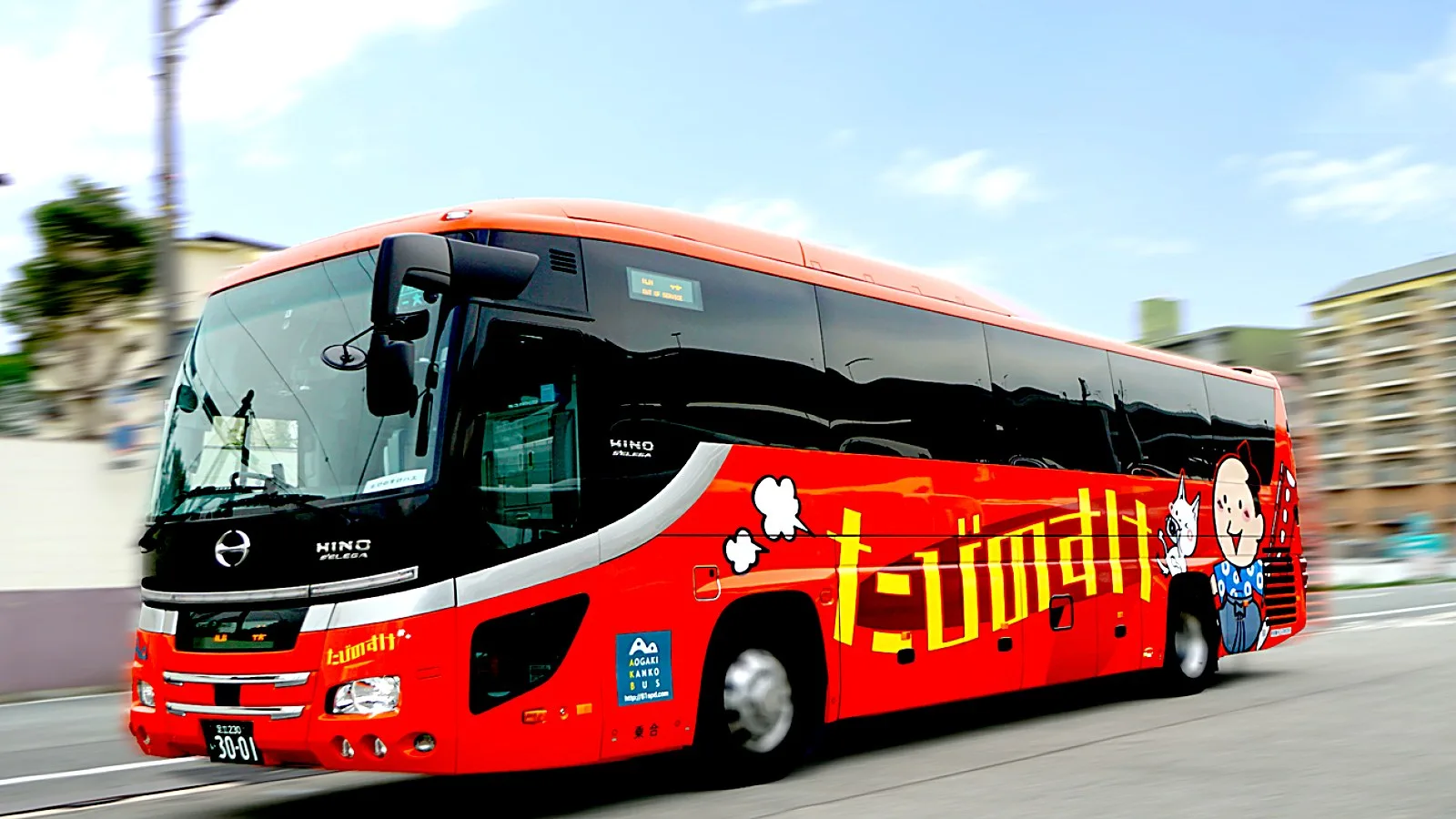
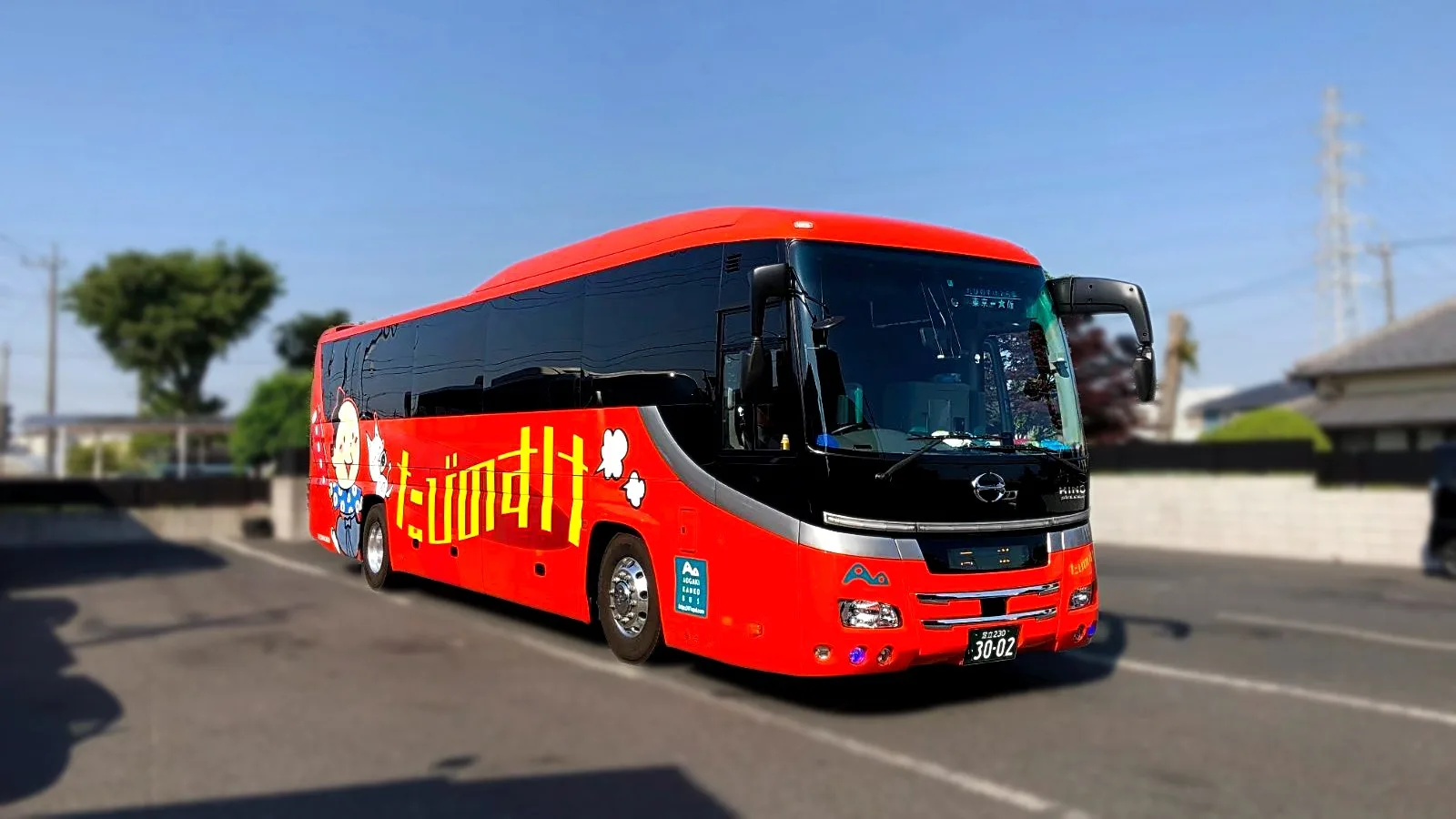
When people compare travel costs in Japan, they usually line up a bullet train ticket against a bus fare and call it a day. But that misses the real story. A night bus connecting Tokyo/Yokohama and Kyoto/Osaka/Kobe lets you cover the distance and sleep at the same time, which means you are not paying for a hotel room that night. Once you add a night's accommodation into the total cost of a trip, the gap between a night bus and other options tends to grow rather than shrink. The exact savings depend on the route, how many people are traveling, and the season, so rather than locking in one number, it is worth checking current seat availability for your dates on the night bus route list before you commit.

Check Seats & Fares
Choose your departure area to see routes and seats.
Packing smart so the overnight ride actually replaces a hotel night
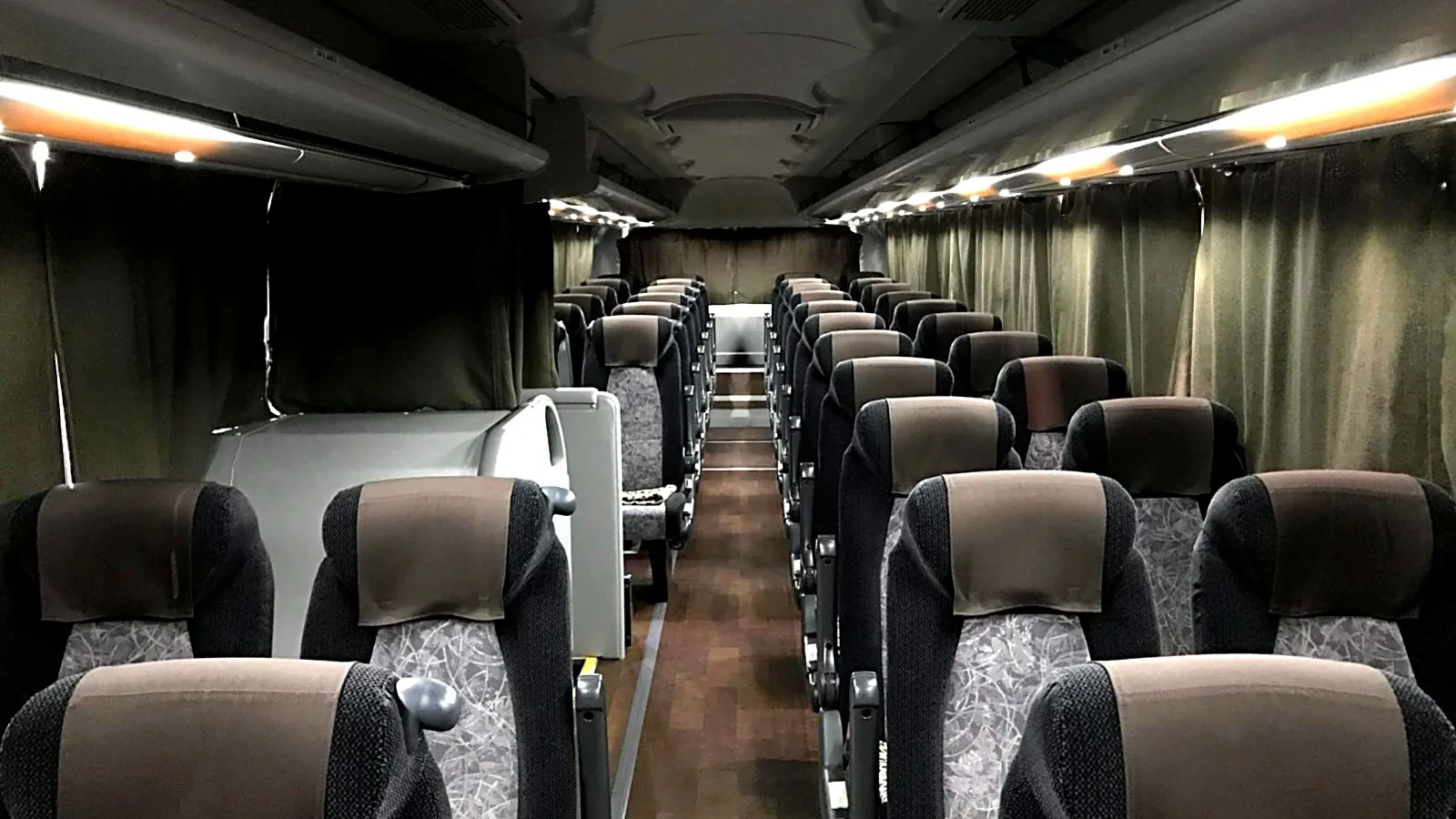
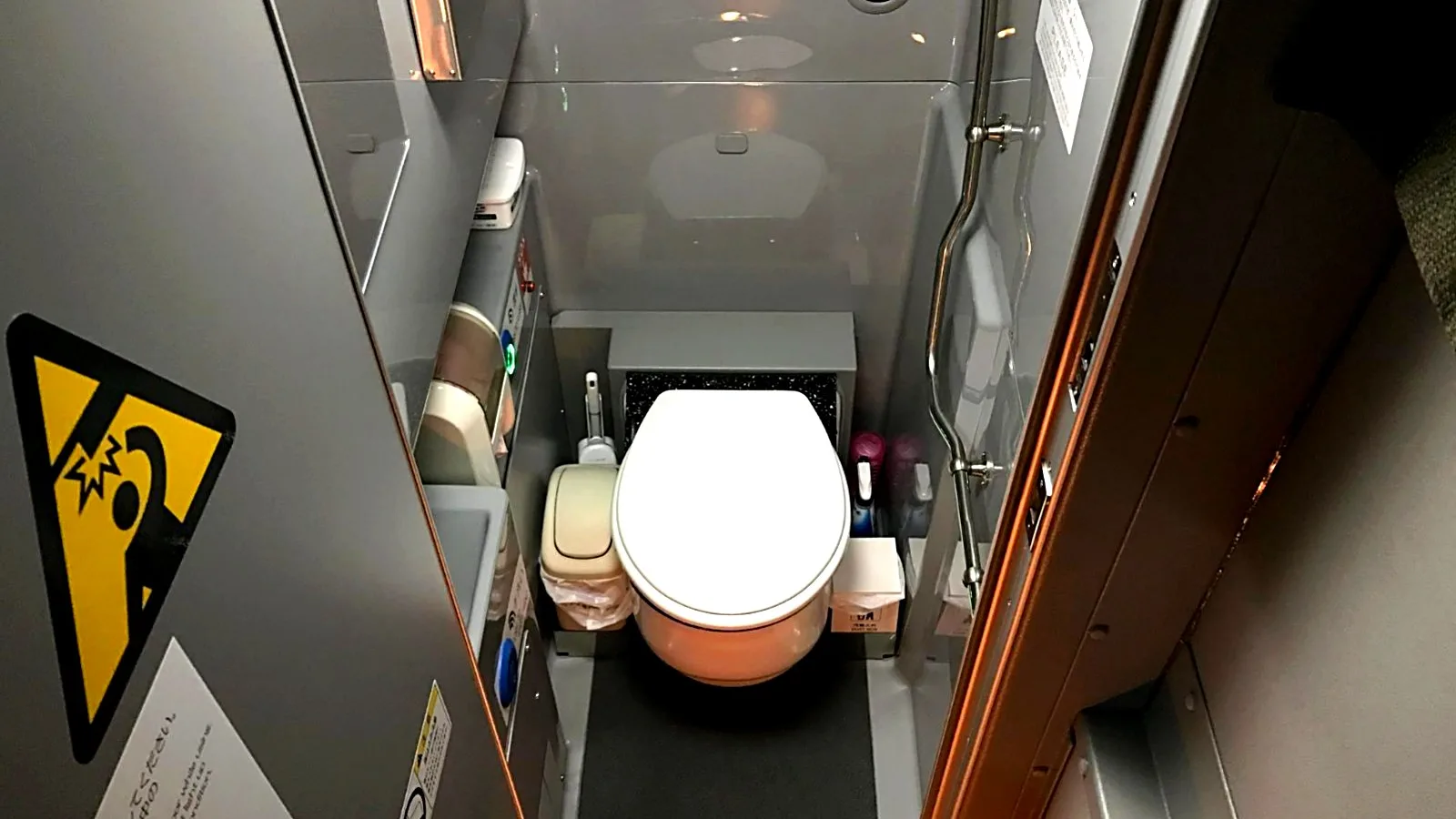
The whole point of taking a night bus between Tokyo/Yokohama and Kyoto/Osaka/Kobe instead of a hotel-plus-daytime-transport combo is that the ride does two jobs at once: it moves you and it lets you rest. If you do not sleep reasonably well, you risk needing a hotel room the next day to recover, which quietly erases the savings you were counting on. Five items are considered the basics for making that overnight sleep work: an eye mask to shut out cabin and highway lighting, earplugs to soften engine noise and other passengers, a neck pillow to support your head without straining your neck, a blanket for when the air conditioning runs cool, and compression socks to help with circulation and swelling on a long overnight ride. On top of that, loose, non-restrictive clothing makes a real difference over several hours in a seat. Every seat on this route is a 4-row wide seat, so it is worth checking what else is on board on the onboard facilities page before you pack your own blanket and the rest of the list.
Using SA/PA rest stops without losing the time or money you saved
Night buses on this route typically pull into a service area or parking area every two to three hours for a break of around 15 to 30 minutes. That window is best used for stretching your legs, using the restroom, and grabbing something light like a rice ball rather than a full meal, since there simply is not enough time to sit down for a proper dinner, and an impromptu sit-down meal can turn into an unplanned cost on top of the fare. One habit that pays off every time: before you get off, take a mental note of the bus's color and the company name on the side. Service areas can look similar at night, and getting back a few minutes before the posted departure time is the safest way to make sure you do not miss your own bus and end up paying for a same-day alternative.
Getting through the early morning gap before the first trains run
Arriving at your destination in the early morning, before shops and trains are fully up and running, can feel like a dead zone if you do not have a plan — and this is exactly the stretch where the money you saved by skipping a hotel night can disappear if you are not careful. A coin locker near the arrival point is the easiest way to get your hands free: drop your bag and go explore, have breakfast, or just walk around without hauling luggage. If you want to freshen up properly, an early-opening public bath, a sauna, or a capsule hotel with shower access is a reliable way to wash up and reset before your day really starts, without needing to book a full room for just a few hours. Locker rules vary by location, and some allow storage for as long as 72 hours, so check the terms printed on the locker itself rather than assuming they are all the same — that matters most if your plan is to spend a full day out at either end of this route before heading home or catching your return bus.
Turning a solo trip into fewer nights of lodging, safely
Solo travel questions come up a lot with overnight buses, and there are a few practical habits that help, especially since solo travelers are often the ones trying hardest to cut lodging costs out of a trip. Choosing a bus with a women-only seating section, where available, tends to add a real sense of ease for the ride. During the trip itself, it is generally a good idea to skip earphones so you stay aware of what is happening around you. As one possible plan, a solo traveler could take a night bus from Tokyo into Kyoto, spend a full day exploring temples and old streets, and catch a night bus back the same evening, turning two travel days into essentially zero extra nights of lodging. That is simply a suggested itinerary, not a guaranteed experience, so it is worth matching it against the actual schedule for your dates.
What to check before you book
Facilities and seat layouts can differ slightly by route, so it is worth confirming what a specific departure includes before you lock it in. Cancellation terms are also something to check at the time of booking rather than assume. Once you know what you need, the fastest next step is to look at live seat availability for your travel dates and pick the departure that fits your plans.
Check Seats & Fares
Choose your departure area to see routes and seats.