Overnight Bus Skincare Tips for Dry Air in Japan
Why Night Bus Air Dries Out Your Skin So Fast (The Humidity Numbers)
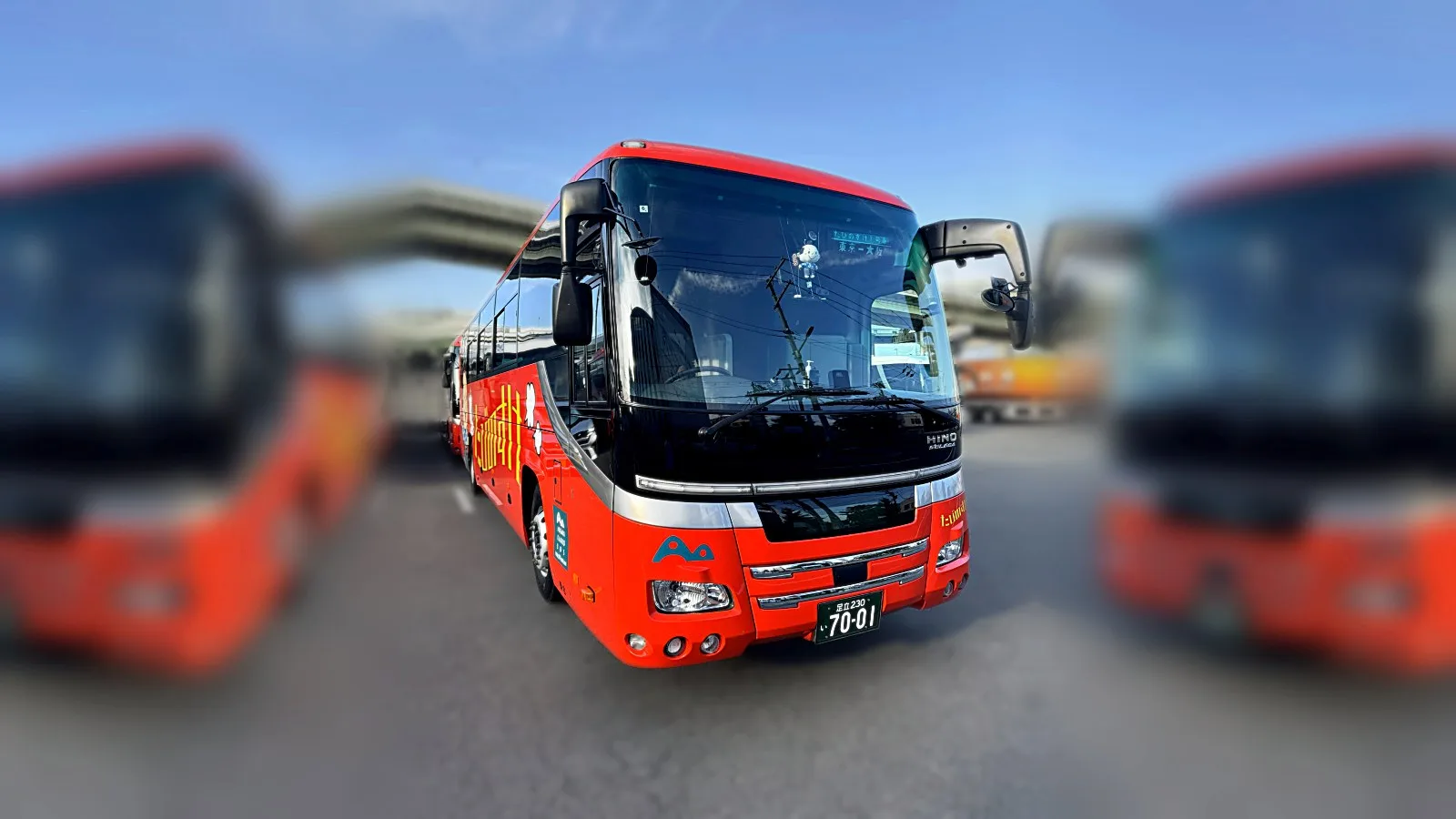
A comfortable humidity level for skin is usually around 50%. Step onto an overnight bus in Japan, though, and that number can drop fast. Heating systems run on recirculated air for hours at a time, and in some cabins humidity falls below 30% — close to the 20-25% average humidity of a desert. The same thing happens in summer, when air conditioning dries the cabin just as aggressively. In other words, this isn't a winter-only problem. Whether you're riding in deep winter or midsummer, the air inside the bus is working against your skin barrier the entire night.
What to Pack: A Mini Skincare Kit That Fits in Your Seat Pocket
Keep the kit small enough to live in your seat pocket for the whole ride. A mist-style toner in a travel bottle, a mini lotion or emulsion, a small jar of petroleum jelly, and a lip balm cover the basics. After misting toner onto your skin, always follow with lotion or emulsion to seal that moisture in — skipping this step lets the dry air pull the water straight back out. Japanese drugstores near major terminals sell tax-free, multilingual sheet masks that are popular with overseas travelers, including rice-derived formulas and vitamin C options that double as an easy souvenir. Pack at least one hydrating sheet mask to use during a rest-stop break along the way, in addition to one for after you arrive.
The Pre-Boarding Routine: Cotton Pack and Seal-In Moisture Before You Get On
Arrive at the terminal early enough to spend five or ten minutes at the washroom sink. Cleanse your face, then soak a cotton pad in toner and press it onto any areas that tend to feel tight or dry — cheeks and the skin around your eyes are common spots. Hold it for a few minutes while you wait to board, then follow with lotion or emulsion to lock that moisture in before you ever take your seat. This small routine at the terminal is the first line of defense against the dry cabin air, and it usually takes less time than the wait to board does.
Onboard: Adjust the Vent, Use the Blanket, and Protect Your Skin While You Sleep
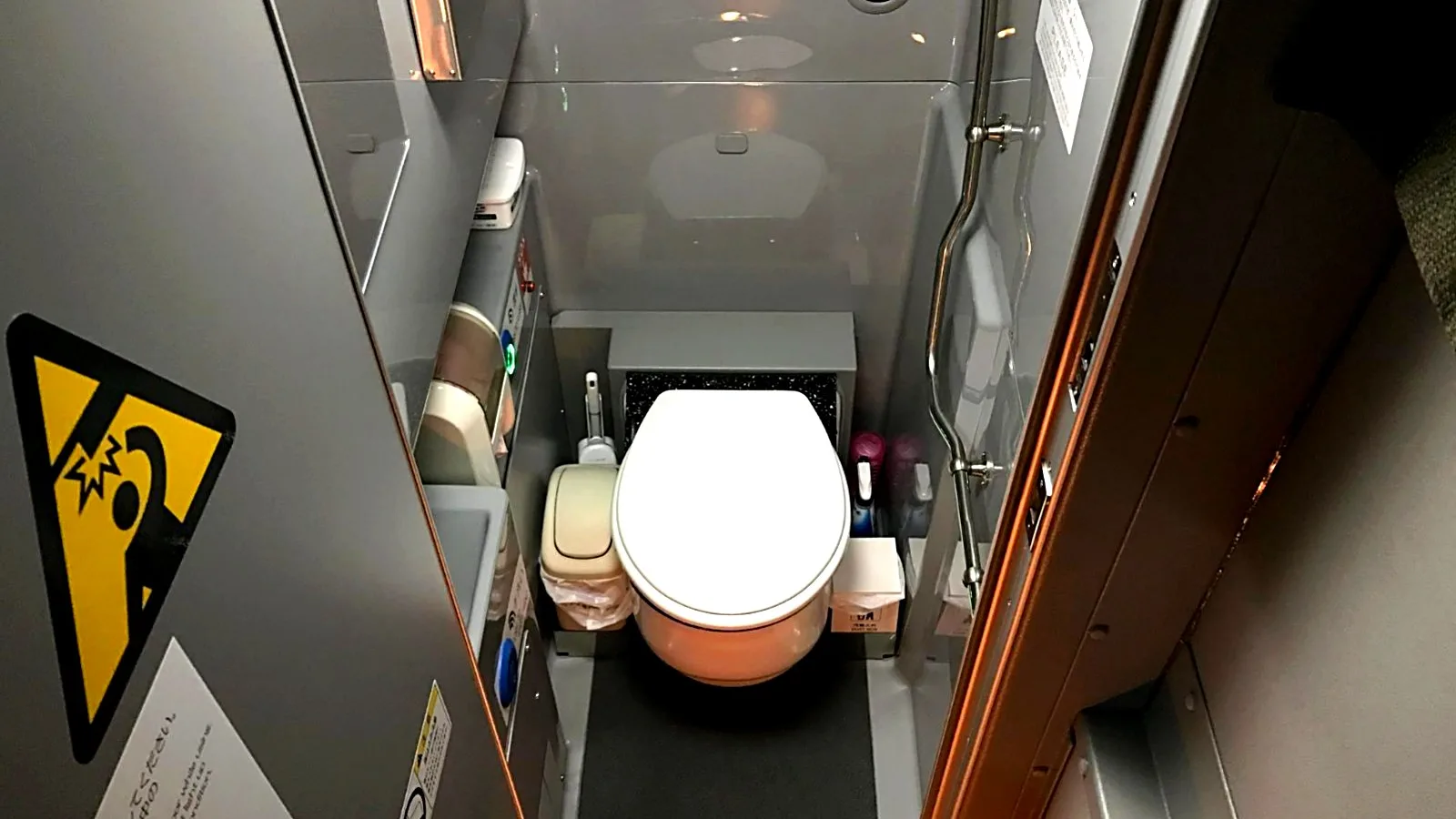
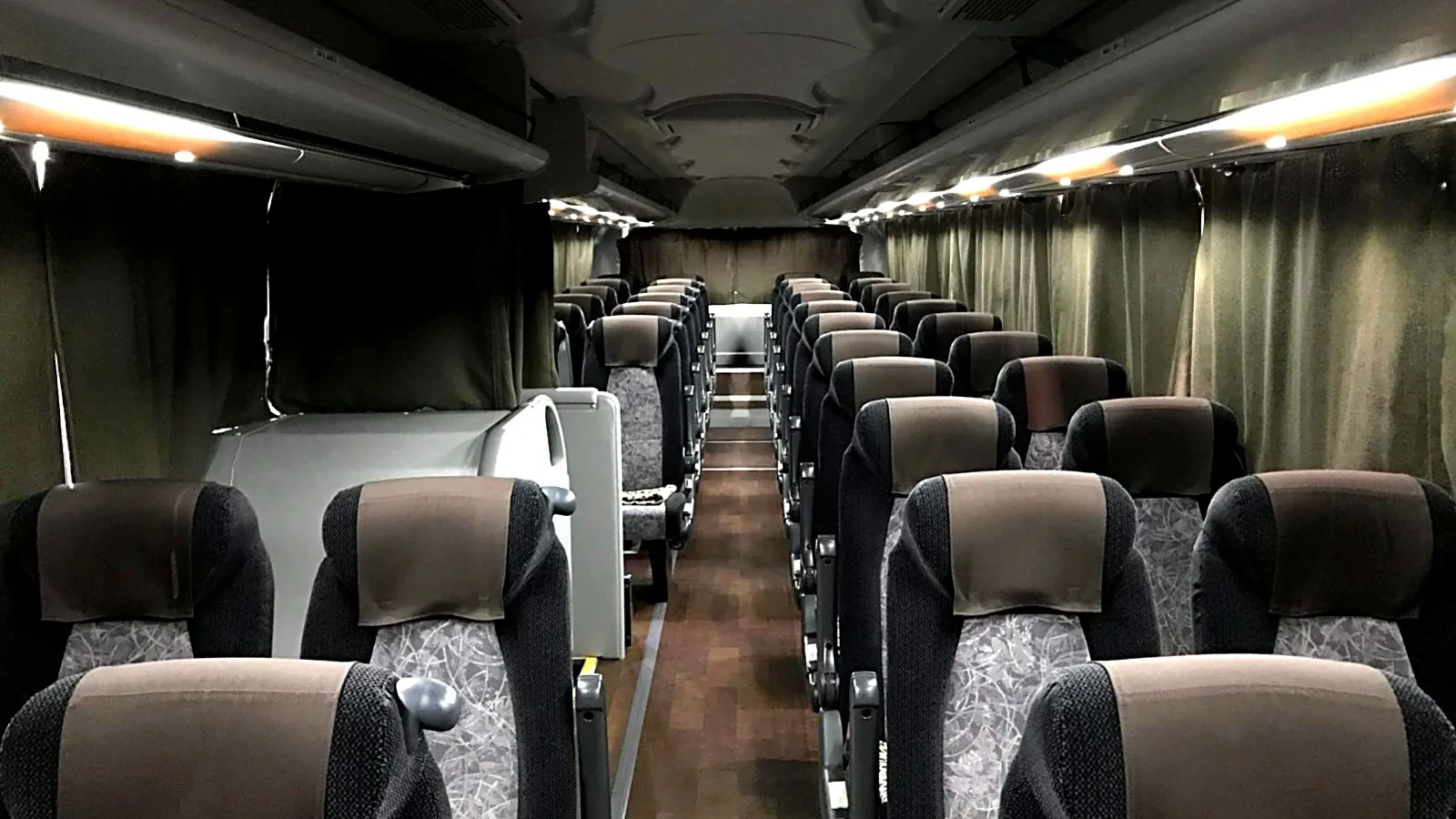
Once you're seated, check the air vent above you and angle it away from your face — a steady stream of air across your skin speeds up moisture loss all night. Seat equipment such as blankets, reading lights, and power outlets can vary by vehicle, so it's worth checking the onboard facilities page before you travel to see what's available for your trip. If a blanket is on hand, keeping it close helps hold a little humidity near your skin. A sheet mask is hard to press on evenly with a neighbor seated right beside you, so save it for a rest stop or after you arrive — instead, smooth on a travel-size moisturizer or a hydrating mist with your fingertips, which takes seconds and won't disturb anyone. Before you settle in to sleep, a richer moisturizer adds one more layer of hydration that keeps working while you're asleep.
At the Rest Stop: What to Drink and Where to Freshen Up
When the bus pulls into a service area, skip the coffee and skip the alcohol — both are diuretics that pull water out of your body right when you need to hold onto it. Reach for a non-caffeinated drink or plain mineral water instead. Service areas across Japan's expressway network are known for well-equipped women's powder corners, with mirrors and proper lighting built in specifically for touching up on the road. Ashigara SA on the Tomei Expressway is a well-known example, with 102 private women's restroom stalls alongside a powder room and even bathing facilities — you won't necessarily stop at that exact SA, but it shows how far these rest-stop amenities go nationwide. Even a short break is enough time for a quick sheet mask or a swipe with a wet towel to reset your skin before getting back on board.
Arrival Morning: De-Puff, Touch Up, and Step Off Camera-Ready
In the last stretch before arrival, cold water or a chilled gel eye mask helps calm any morning puffiness, and a fresh coat of lip balm finishes the look. Most arrival terminals have washroom facilities where you can do one last check before heading out. Arriving into Tokyo, Yokohama, Kyoto, Osaka, or Kobe this way means you can walk straight into a full day of sightseeing instead of hunting for somewhere to freshen up first. If you're mapping out where to go next, browse the overnight bus route list to match a route to your plans, and check seat availability for your dates before you lock in your trip.

Check Seats & Fares
Choose your departure area to see routes and seats.