Tokyo to Osaka: Night Bus or Flight, What You Give Up
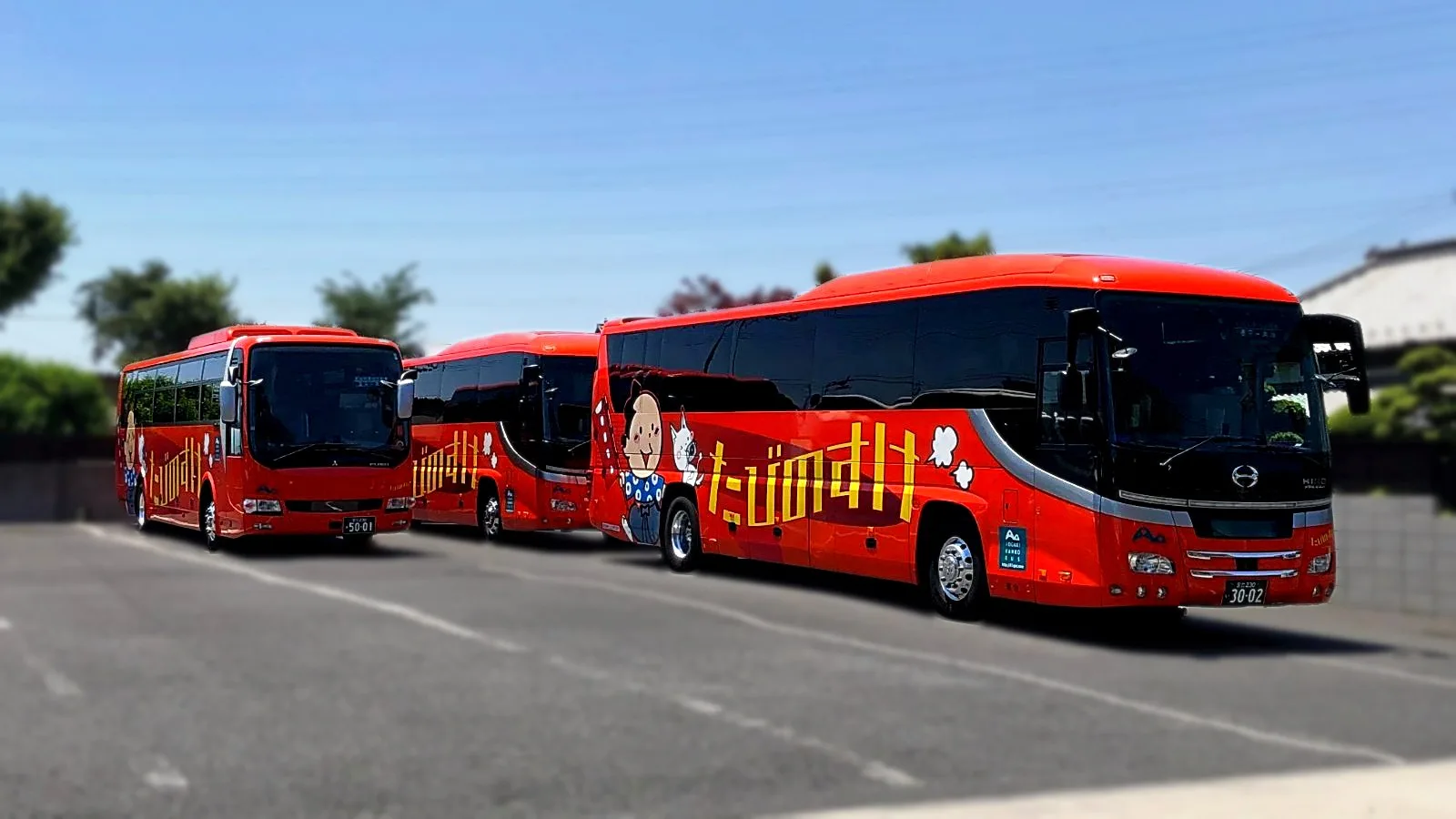
Night Bus or Flight: Where Tokyo–Osaka Travel Choices Really Diverge
Door-to-Door Time: What Happens When You Add Airport Transfers
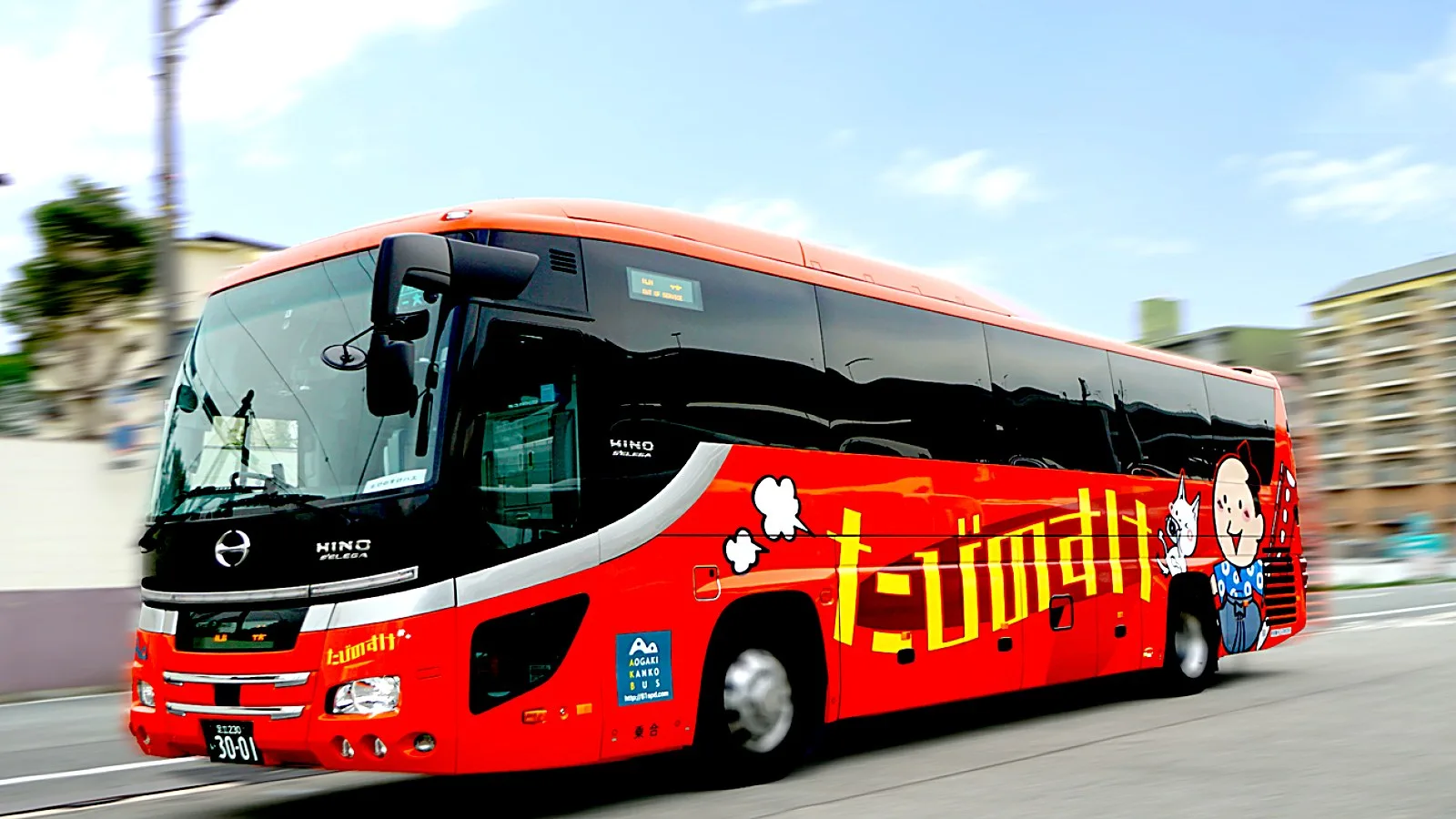
On paper, flying wins easily. Flying out of Haneda, the time in the air alone is short: Haneda to Itami takes about 1 hour 5 minutes, and Haneda to Kansai International is about 1 hour 33 minutes. But that's only the flight itself. Domestic flights ask you to arrive about an hour before departure in normal periods, two hours during busy stretches, so that buffer eats into your schedule before you've even left Tokyo.
Landing isn't the finish line either. From Itami, getting to Umeda takes about 30 minutes and ¥440 by monorail and Hankyu train, or around 40 minutes and ¥640 on the limousine bus. From Kansai International, the Rapi:t express gets you to Namba in 37 minutes for ¥1,490 to ¥1,700, while the limousine bus to Umeda runs 50 to 60 minutes for about ¥1,800. Add those transfers, the arrival buffer, and boarding time together, and the time gap between flying and taking a night bus — which drops you in central Osaka with no transfers at all — narrows a lot more than the flight time alone suggests.
Arrive Early, Do More: Morning Plans After a Night Bus to Osaka
This is where a night bus quietly earns its keep. Step off in Umeda or Namba in the early morning and the entire day is still ahead of you. A quiet breakfast at a local spot, a walk before the streets fill up, maybe a visit to a shrine while the air is still cool — then you're free for the rest of the day with nothing booked back-to-back around flight schedules. The same early arrival works just as well for a business trip, letting you start meetings from the morning instead of losing the first half of the day to transit. If you want to see which night routes and schedules could fit a trip like this, the night bus route list is a good place to start planning.
Seats, Comfort and Packing Tips for a Smooth Night Bus Ride
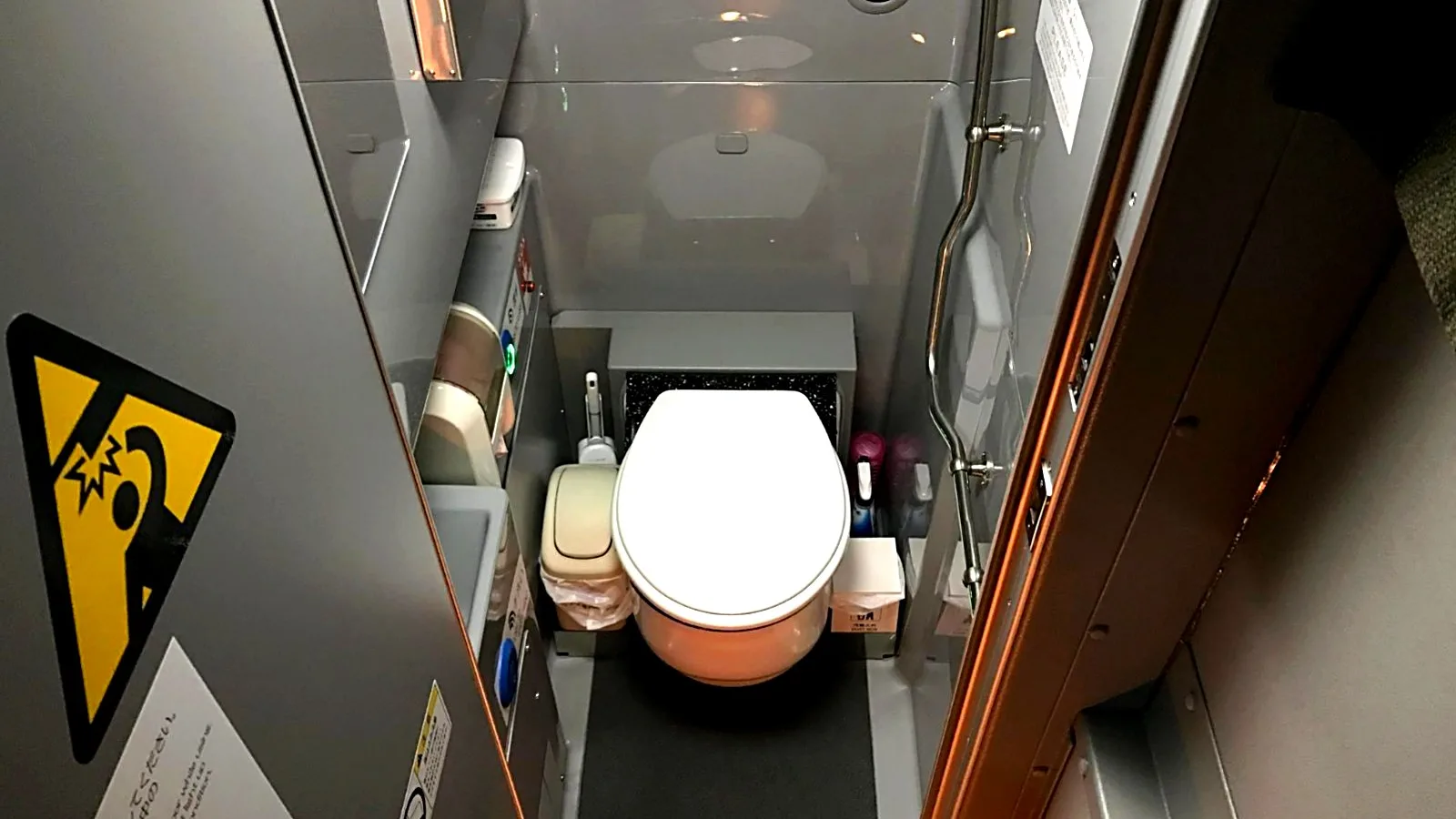
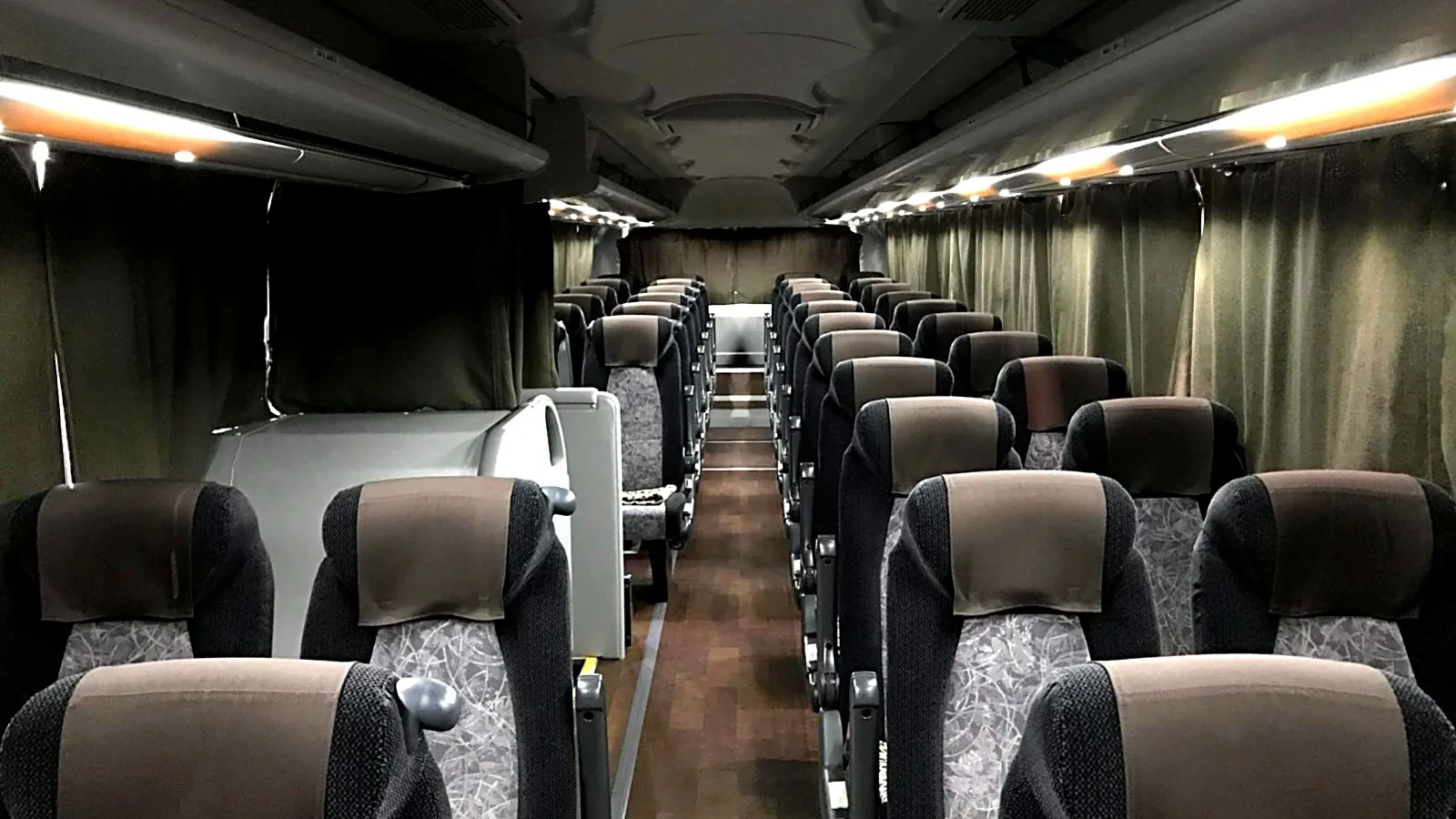
Seat configuration, amenities, and safety equipment can vary by route and vehicle, so rather than guess at the specifics here, the onboard facilities page lays out exactly what's equipped on each service — worth checking before you book so there's nothing to figure out once you're already on board.
To make the night itself easier, a few small items go a long way: an eye mask for the cabin lighting, earplugs for a quieter sleep, a neck pillow for extra support, and lip or hand cream, since bus cabins — like most enclosed vehicles — tend to run dry over a long overnight stretch. Pack light and you'll barely notice you were traveling at all by the time morning comes.
Which One Fits You: Budget, Speed, or Minimal Hassle
If budget matters most, the night bus still has an edge most comparisons miss — you skip a night's accommodation entirely, since you're sleeping during the ride. If you want to be active the moment you arrive, an early-morning night bus into Umeda or Namba can actually outperform a flight once you factor in airport transfers. And if you'd rather avoid transfers and heavy luggage altogether, a single bus straight through beats juggling trains, monorails, and security lines. Whichever reason fits you, the practical move is the same: check today's open seats and compare the schedule before anything else — everything that follows is just the ride itself, overnight and done by morning.

Check Seats & Fares
Choose your departure area to see routes and seats.