What to Eat Before a Japan Night Bus
Can You Eat After Lights-Out? Night Bus Etiquette and Rest Stops
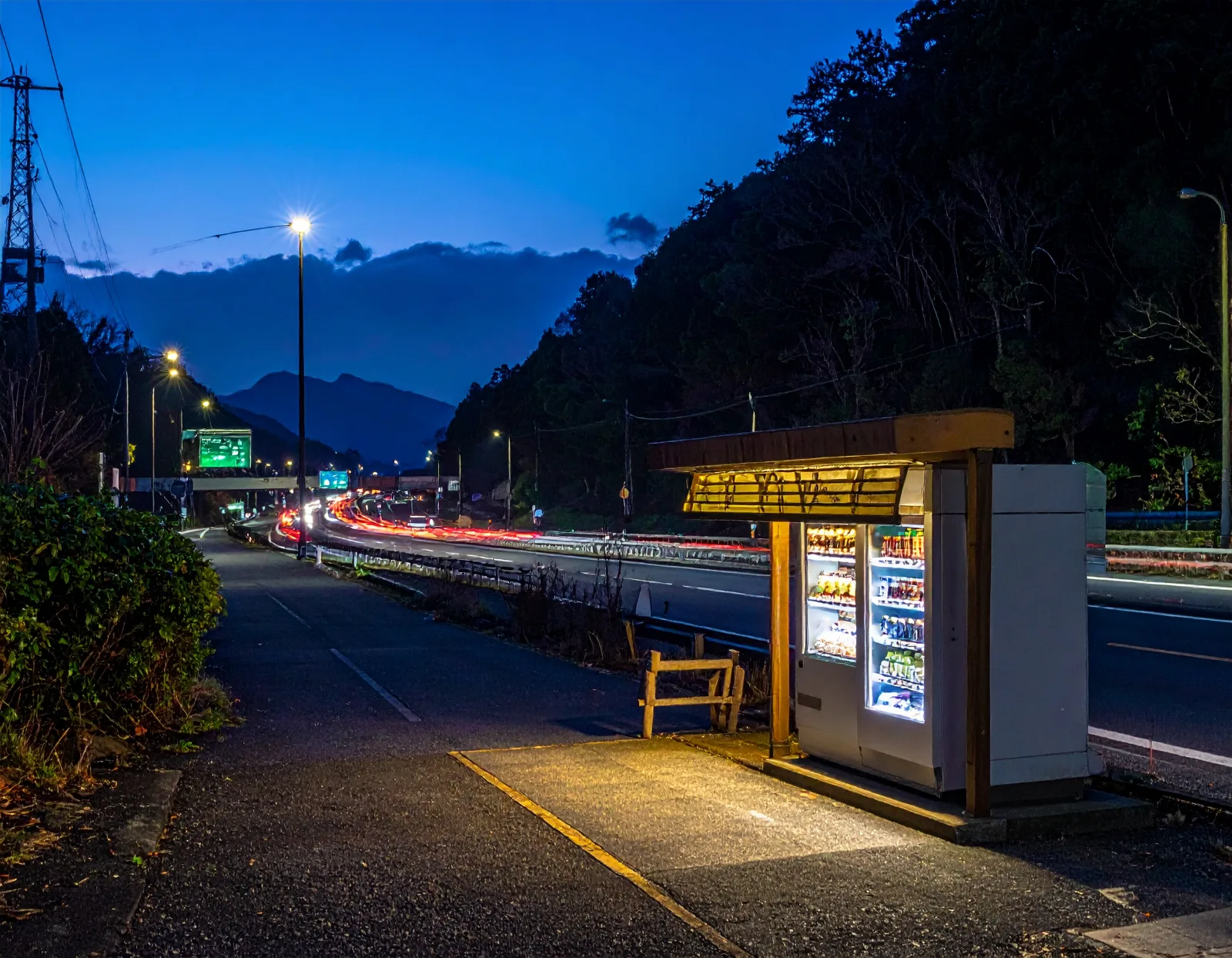
On Tabinosuke Bus, as on Japanese night buses in general, eating after the cabin lights go out is considered poor manners. Once lights-out begins, most passengers are trying to sleep, so food — and its smell — tends to carry much further than you'd expect in a closed cabin. The practical workaround is timing: night buses make a rest stop roughly every two to three hours, each lasting about fifteen to thirty minutes, at a service area (SA) or parking area (PA) along the highway. These stops exist partly because drivers take a continuous rest of at least twenty minutes for every two hours behind the wheel, so the schedule is built around regular breaks rather than being an afterthought. For passengers, that same rhythm doubles as your real window for buying food, stretching, and using the restroom before lights go back down.
When Should You Eat Before Boarding? Count Back From Departure
The general guideline is to finish your main meal two to three hours before departure. If your bus leaves at 10:00 pm, aim to eat around 7:00 pm. That gap gives your body enough time to digest before you're settled into a seat for several hours. It also helps to lean toward protein — meat, fish, or eggs — rather than a carb-heavy meal, since heavier starches can make it harder to fall into deep sleep once the bus gets moving. Eating right before boarding tends to backfire either way: too full and you'll feel sluggish once lights-out hits, too rushed and you'll be hungry again before the first rest stop.
What Can You Buy at Service Areas During Night Stops?
Even late at night, Japan's highway network has service areas with stores that stay open around the clock. Ebina SA on the southbound side, for example, is known for a convenience store that operates 24 hours, so rice balls (onigiri) and light snacks are still easy to find well past midnight. Because a rest stop usually gives you fifteen to thirty minutes total — including the walk to the store, the line, and getting back on the bus — it helps to scan the shelves first and decide quickly rather than browsing. Grabbing something compact that you can eat with one hand is usually a safer bet than anything that needs a tray or a long checkout line.
What's Okay to Eat Onboard — and What to Avoid
The unofficial rule for onboard snacks comes down to three things: no strong smell, no noise, and nothing bulky. Onigiri wrapped with separate nori (so it stays crisp and doesn't smell much), small sandwiches cut into bite-sized pieces, jelly drinks, and gummies all work well because they're quiet to eat and don't linger in the air. On the other hand, instant noodles, burgers, garlic-heavy dishes, and kimchi tend to fill a closed cabin with smell almost immediately, which is why more passengers choose to skip them onboard even when there's no formal rule against it. Alcohol is treated as off-limits on nearly every night bus route, partly because it works against the kind of sleep you're trying to get in a seat rather than a bed.
Why Smell and Noise Matter So Much on Japanese Night Buses
A night bus cabin is a sealed box moving for hours with the same group of people trying to sleep side by side. Anything with a strong smell doesn't just affect your own seat — it spreads through the shared air for the rest of the trip. The same goes for noise: crinkling wrappers or a loud snack can wake someone who just managed to fall asleep. Japanese night bus culture leans heavily on this kind of quiet consideration for the people around you, which is really the whole logic behind the no-smell, no-noise, no-bulk approach to food — less a strict rule than a shared courtesy that keeps the ride comfortable for everyone.
Tokyo/Yokohama vs. Kyoto/Osaka/Kobe: Planning Your Meal Timing
Departure times differ depending on which end of the route you're starting from, so the two-to-three-hour rule works best when you count back from your own bus's actual departure time rather than a general evening estimate. Whether you're heading out from Tokyo or Yokohama toward Kyoto, Osaka, or Kobe, or making the return trip, check the night bus route schedule first to confirm your departure time and seat availability, then plan your meal around it. It's also worth looking at the onboard facilities page beforehand — knowing where the power outlets and blankets are, and which cars have a restroom, makes it easier to settle in quickly after your last pre-boarding meal and get ahead of lights-out.

Check Seats & Fares
Choose your departure area to see routes and seats.