2026-08-09
BLOG
Night Bus vs Shinkansen: Time and Cost for Tokyo–Osaka Travel
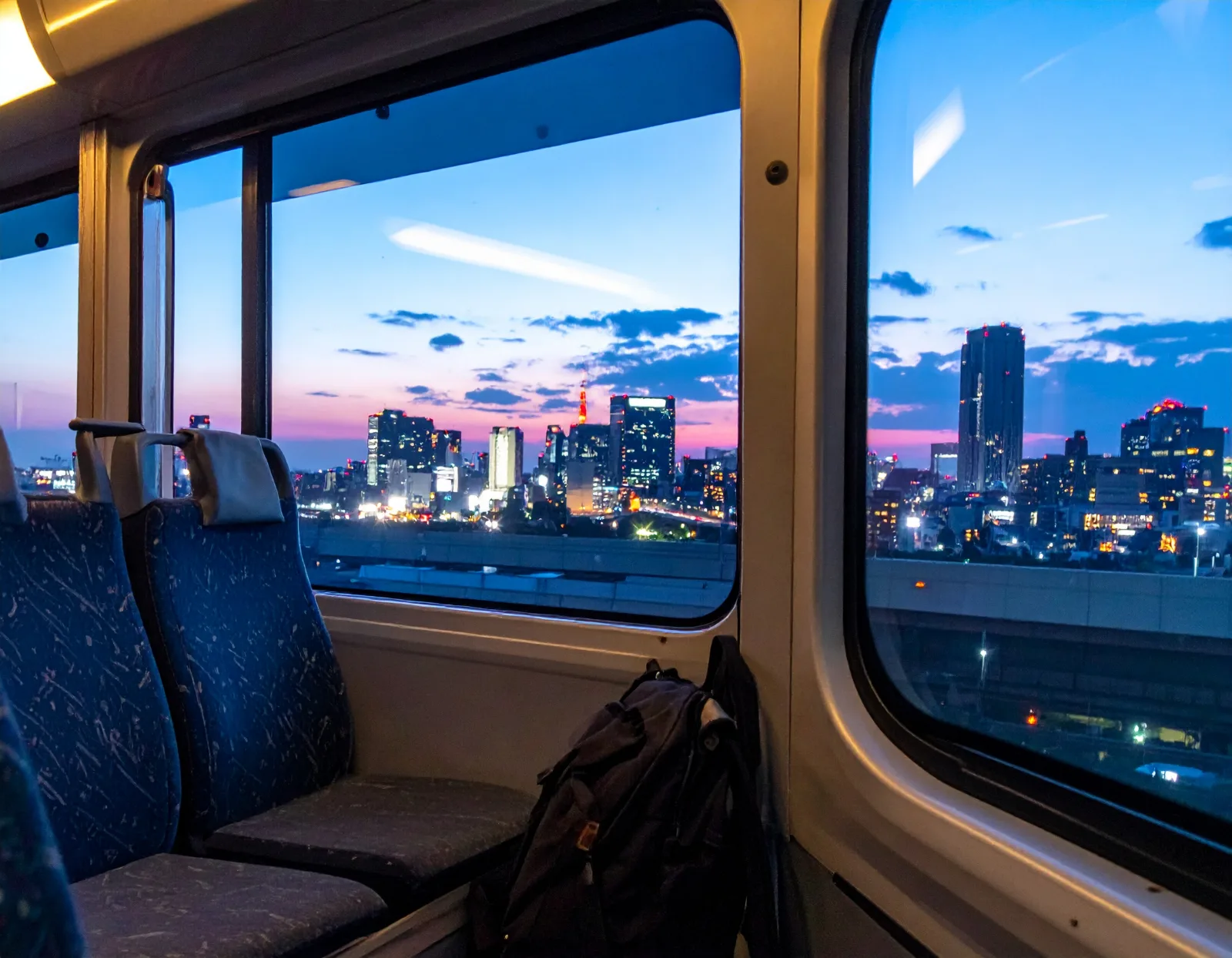
Choose the Shinkansen for Speed, or the Night Bus to Cut Your Total Trip Cost
- Shinkansen (Nozomi): about 2 hours 30 minutes between Tokyo and Shin-Osaka, with a reserved seat priced at ¥14,720 in regular season (¥13,870 unreserved).
If your priority is arriving fast, the shinkansen wins outright — nothing else gets you there in under three hours. If you're weighing the cost of your entire trip rather than just the ticket, the night bus opens up options the shinkansen can't match on its own.
It's also worth knowing that advance-purchase discounts — such as JR's Ekinet Tokudane fares or Smart EX's early-booking deals — can sometimes bring the shinkansen price down below the standard fare. So the real comparison isn't just "bus vs train" — it's what you value more on this particular trip: hours, or total cost.
What Is It Really Like Spending 8–9 Hours on a Night Bus?
The schedule is built around sleep, not sightseeing out the window. Tabinosuke night buses depart late in the evening and arrive in the early morning, so most of that 8-hour-plus ride happens while the cabin is dark and quiet — effectively it doubles as your night's sleep. Every seat is a 4-row wide seat, and the bus makes scheduled stops at highway service areas along the way so you can stretch your legs. Onboard amenities can vary by departure and seat type, so it's worth bringing your own charging cable, earphones, and eye mask if you want extra comfort. Some departures also offer a women-only seating option, grouping female passengers together for a more secure overnight ride — worth asking about when you book if it matters for your seat choice. Check current seat layouts and onboard facilities on the onboard facilities page before you book.
Bus Fare Alone Isn't the Whole Picture — Look at the Total Trip Cost
Compare ticket price alone and the night bus already looks cheaper, but the bigger gap opens up once you add accommodation:
- Night bus: departs and arrives overnight, so it effectively replaces a hotel room for that night — you save on lodging and travel at the same time.
- Shinkansen: gets you there in two and a half hours, which is genuinely convenient, but for most itineraries that means booking a hotel room the moment you land, on top of the ticket price.
The longer your trip, the more this compounds. A two- or three-night itinerary built around a night bus outbound (and often another overnight bus on the way back) can end up noticeably cheaper in total than the same trip built around two shinkansen rides and hotel stays on both ends.
If you're already holding a JR rail pass that covers the shinkansen, the calculation shifts back in the train's favor. For travelers paying full point-to-point fare, accommodation is usually the biggest line item affected by the choice between the two.
What to Do After an Early-Morning Arrival, Before Sightseeing Begins
A night bus typically drops you in central Osaka in the early morning, hours before most sightseeing spots open — which sounds inconvenient until you realize how well the neighborhoods around Umeda and Shin-Osaka Station are set up for exactly this:
- Several cafes in the area open early for a proper breakfast service.
- 24-hour saunas nearby let you freshen up and relax before heading out.
- For women traveling solo, dedicated lounges near the station open from 6:30 in the morning, complete with a powder room and a fitting room, so you can shower, do your hair, and change before your day even starts.
Rather than treating the early arrival as dead time, it's worth building it into your itinerary on purpose: freshen up, have a slow breakfast, and be at your first temple or market right as it opens and before the crowds arrive.
Traveling Light or Short on Time? Mix Bus and Shinkansen
Nothing says both directions of your trip have to use the same transport. A common combination for travelers who want the best of both is to take the night bus outbound — arriving with energy saved and a full day ahead of you — and then take the shinkansen back, trading a bit of extra cost for speed when you're tired and ready to head home or catch a flight. This works especially well if you're carrying a large suitcase: trunk storage space and size limits differ by bus and by service, so it's worth confirming in advance whether your luggage will fit rather than assuming it will. If your time is tight on one leg of the trip — say, you have a flight to catch the same afternoon you arrive back in Tokyo — putting the shinkansen on that leg and the night bus on the more flexible leg is usually the easiest way to balance cost against convenience.
Ready to Book Your Tokyo–Osaka Trip?
Check what's actually available for your dates.
- Browse the route information page for current departure times and model course ideas for your Tokyo–Osaka trip.

Check Seats & Fares
Choose your departure area to see routes and seats.
日本語版
夜行バス vs 新幹線 東京—大阪間の所要時間と料金を比較
スピード重視なら新幹線、旅費全体を抑えたいなら夜行バス
新幹線(のぞみ):東京—新大阪間は約2時間30分、通常期の指定席は14,720円(自由席13,870円)。
夜行バス:同区間で約8時間45分〜8時間55分。固定料金ではなく、人数や乗車日によって普通座席の運賃が見積もられます。
最優先が「速く着くこと」なら、新幹線の勝ちは揺るぎません。3時間を切って移動できる手段はほかにないからです。一方、チケット代だけでなく旅行全体の費用で比較するなら、夜行バスには新幹線単体では叶えられない選択肢が広がります。
JRのえきねっとトクだ値やスマートEXの早割など、事前購入割引を使えば新幹線の料金が通常運賃より下がることもある、という点も知っておく価値があります。つまり本当の比較は「バス対電車」ではなく、この旅で自分が重視するのは「時間」なのか「総費用」なのか、という点なのです。
夜行バスで過ごす8〜9時間は実際どんな感じ?
スケジュールは車窓の景色ではなく睡眠を軸に組まれています。たびのすけの夜行バスは夜遅くに出発し早朝に到着するため、8時間超のほとんどの区間は車内が暗く静かな状態で進み、実質的にその夜の睡眠時間を兼ねます。座席はすべて4列ワイドシートで、道中は高速道路のサービスエリアに計画的に停車するので、体を伸ばすこともできます。車内設備は便や座席タイプによって異なる場合があるため、快適さを求めるなら充電ケーブル・イヤホン・アイマスクを持参するのがおすすめです。便によっては女性専用座席のオプションもあり、女性乗客をまとめて配置することで夜通しの乗車がより安心なものになります。座席選びで気になる場合は予約時に問い合わせる価値があります。予約前に車内設備ページで現在の座席レイアウトと車内設備を確認してください。
バス運賃だけが答えではない ― 旅行全体の費用で見る
チケット代だけを比べても夜行バスはすでに安く見えますが、宿泊費を加えるとその差はさらに広がります。
夜行バス:夜に出発し夜のうちに到着するため、その夜のホテルの部屋を実質的に不要にします ― 宿泊費の節約と移動を同時にこなせます。
新幹線:2時間半で到着できるのは確かに便利ですが、多くの旅程では到着した瞬間からホテルを予約する必要があり、チケット代に上乗せされます。
旅の日数が長くなるほど、この差は積み重なります。行きは夜行バス(帰りも夜行バスになることが多い)で組んだ2泊・3泊の旅程は、新幹線を往復で使い両端でホテルに泊まる同じ旅程に比べて、総額で目に見えて安くなることがあります。
すでに新幹線をカバーするJRのレールパスを持っている場合は、この計算は電車側に有利に傾きます。区間運賃を全額支払う旅行者にとっては、宿泊費が両者の選択で最も大きく影響を受ける項目になるのが一般的です。
早朝到着後、観光が始まるまでにできること
夜行バスは通常、多くの観光スポットが開く何時間も前の早朝に大阪中心部に到着します ― 不便に思えるかもしれませんが、梅田や新大阪駅周辺のエリアがまさにこの状況向けにうまく整備されていることを知れば印象が変わります。
エリア内のいくつかのカフェは早朝から本格的な朝食サービスを提供しています。
近くの24時間サウナで、出かける前にさっぱりして一息つくことができます。
ひとり旅の女性向けには、駅近くの専用ラウンジが朝6時30分から利用でき、パウダールームやフィッティングルームも完備しているため、1日が始まる前にシャワーを浴び、髪を整え、着替えることができます。
早朝到着を「空き時間」として扱うのではなく、あえて旅程に組み込む価値があります。さっぱりしてゆっくり朝食をとり、混雑が始まる前に最初のお寺や市場に開店と同時に到着する、という具合です。
荷物を軽くしたい、時間が限られている?バスと新幹線を組み合わせる
往復とも同じ交通手段を使わなければならない決まりはありません。両方のいいとこ取りをしたい旅行者によく使われる組み合わせは、行きに夜行バスを使い(体力を温存した状態で到着し、丸一日を自由に使える)、帰りは新幹線を使う(疲れて帰宅や飛行機の搭乗に向かうときは、多少の追加費用と引き換えにスピードを取る)という方法です。これは大きなスーツケースを持っている場合に特に有効です。トランクの収納スペースやサイズ制限はバスやサービスによって異なるため、荷物が収まるかどうかは思い込まずに事前に確認する価値があります。旅の片道だけ時間に余裕がない場合 ― たとえば東京に戻った当日の午後に飛行機の搭乗があるなど ― は、その区間に新幹線を、より融通の利く区間に夜行バスを充てるのが、費用と利便性のバランスを取る最も簡単な方法です。
東京—大阪間の旅を予約する準備はできましたか?
ご希望の日程で実際に空きがあるか確認してみましょう。
路線情報ページで、東京—大阪間の現在の出発時刻とモデルコース案をご覧いただけます。