2026-08-09
BLOG
Budget Japan: Backpacker Night Bus Tips
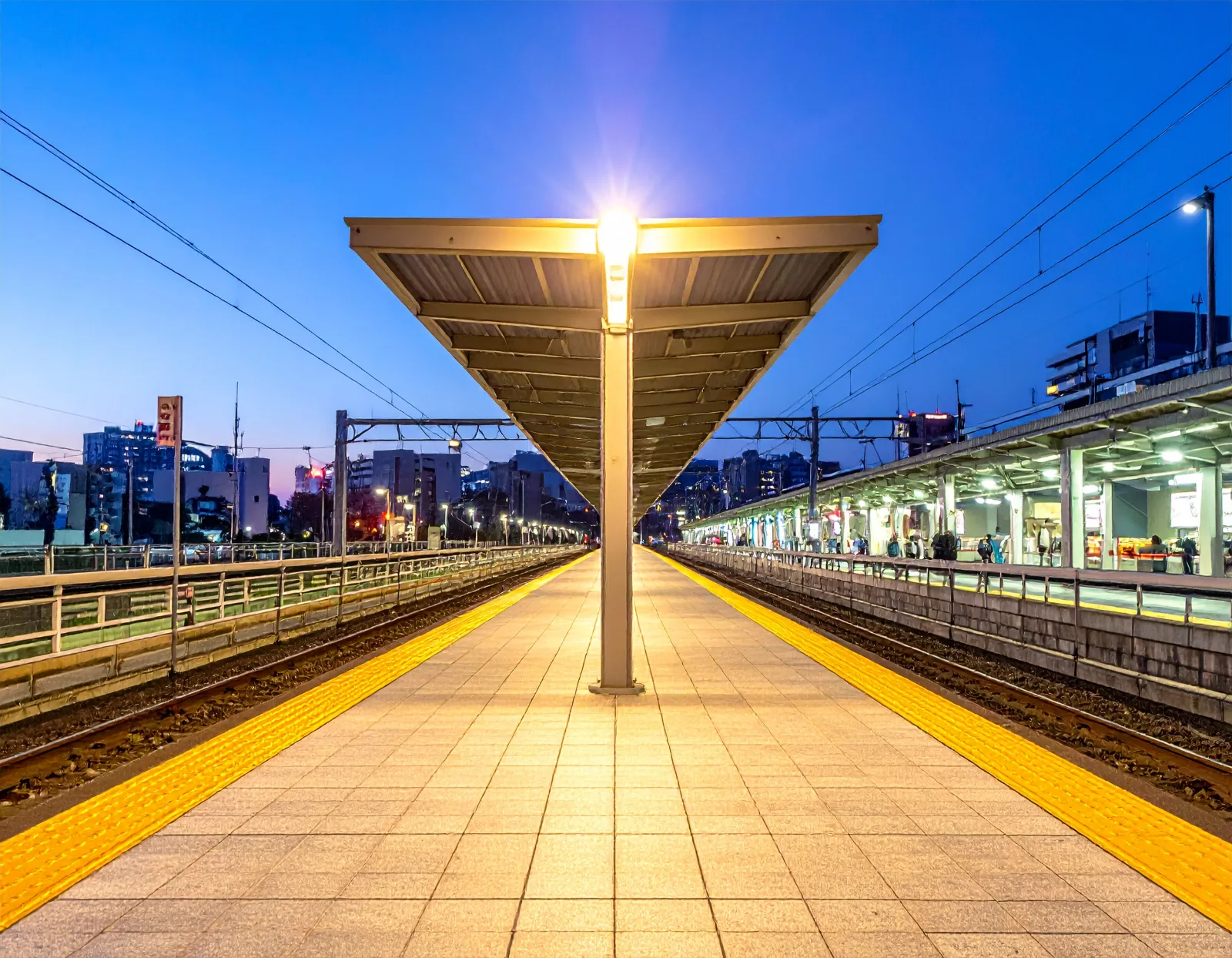
How an Overnight Bus Actually Stretches a Backpacker Budget
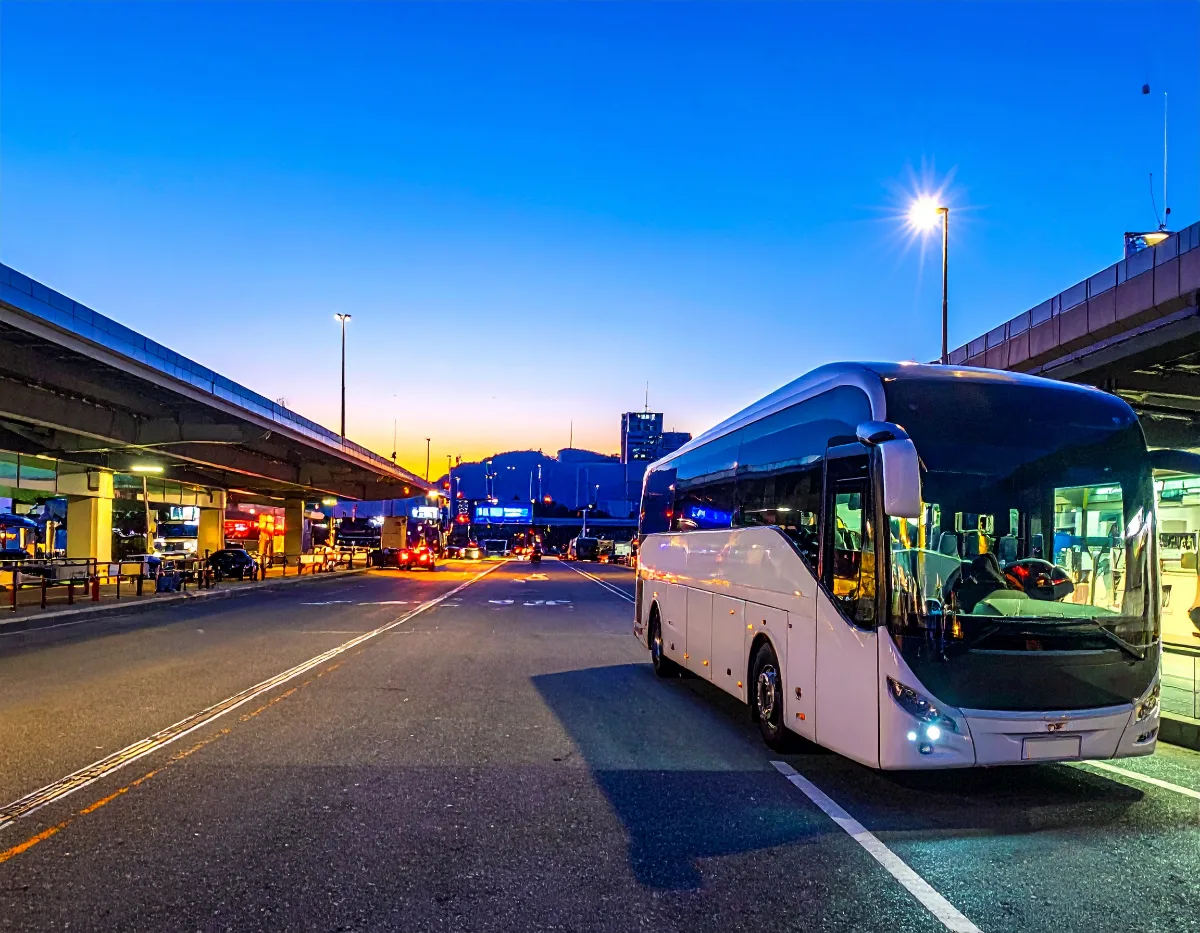
An overnight bus does two jobs at once: it moves you between cities and it doubles as your night's sleep, so you skip paying for a separate bed at a hostel or capsule hotel that night. That's the real math behind budget travel in Japan, more than any single ticket price.
This isn't a niche workaround either — a large and growing share of inbound travelers already choose highway buses for city-to-city moves in Japan, a sign the option is mainstream, not just a backpacker hack.
And the savings don't stop at the ticket. Swap a hotel room for a station locker, a late checkout for an early-morning bathhouse, and a taxi for a walk to your first sight, and the whole morning becomes part of the trip instead of dead time.
What's Actually On Board: Blanket, Lights-Out, and Nighttime Manners
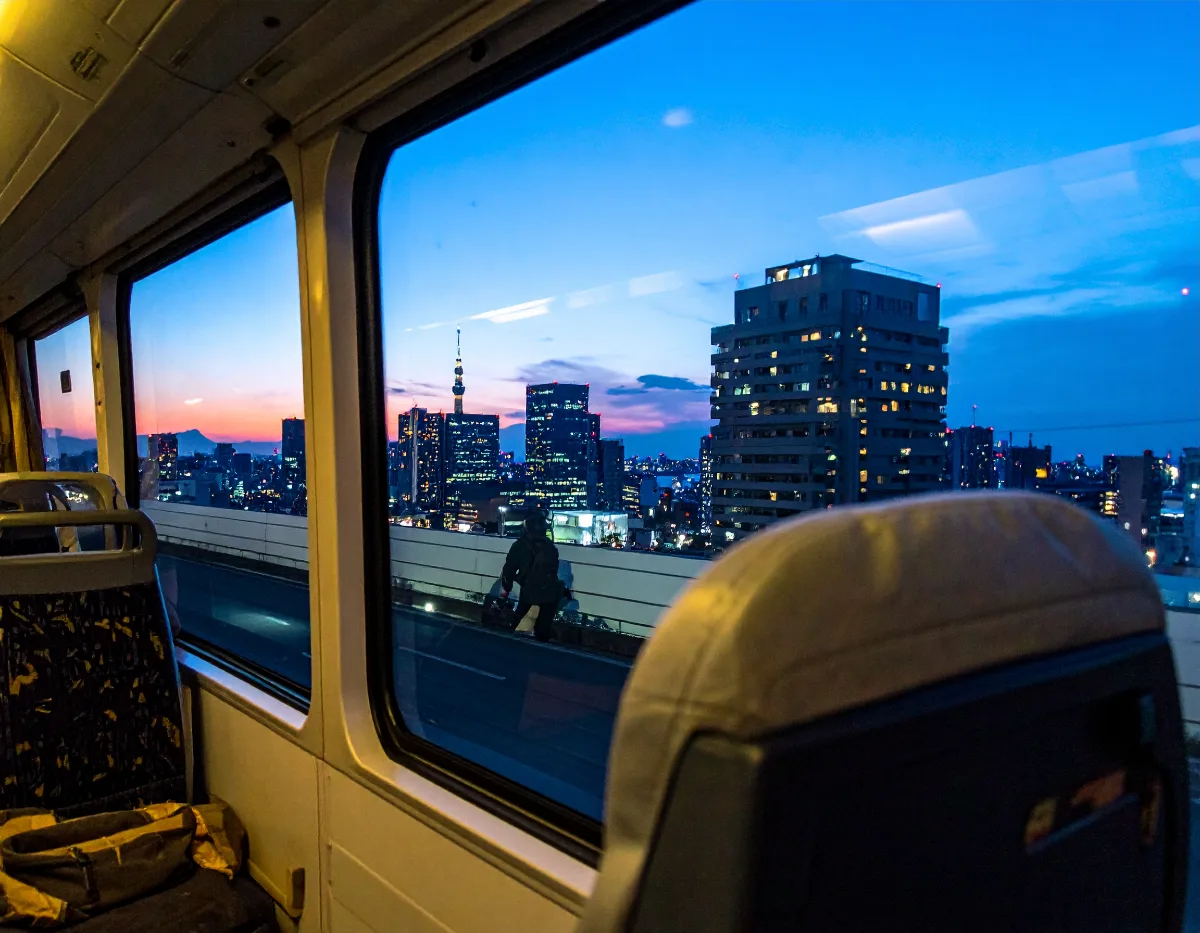
Every seat comes with a blanket for the ride, and the cabin lights go off around 23:00–24:00 — after that, lit phone or tablet screens are asked to stay off out of consideration for other passengers trying to sleep. For the full rundown of what's fitted on board, check the cabin facility page before you book.
A few small courtesies go a long way overnight: give the passenger behind you a heads-up before reclining, keep your feet out of the aisle, and skip strong-smelling food or drinks once you're on board.
Your day bag stays with you at the seat; the main backpack goes into the underfloor trunk before boarding, not carried on.
Finding Your Bus: A First-Timer's Guide to the Terminal
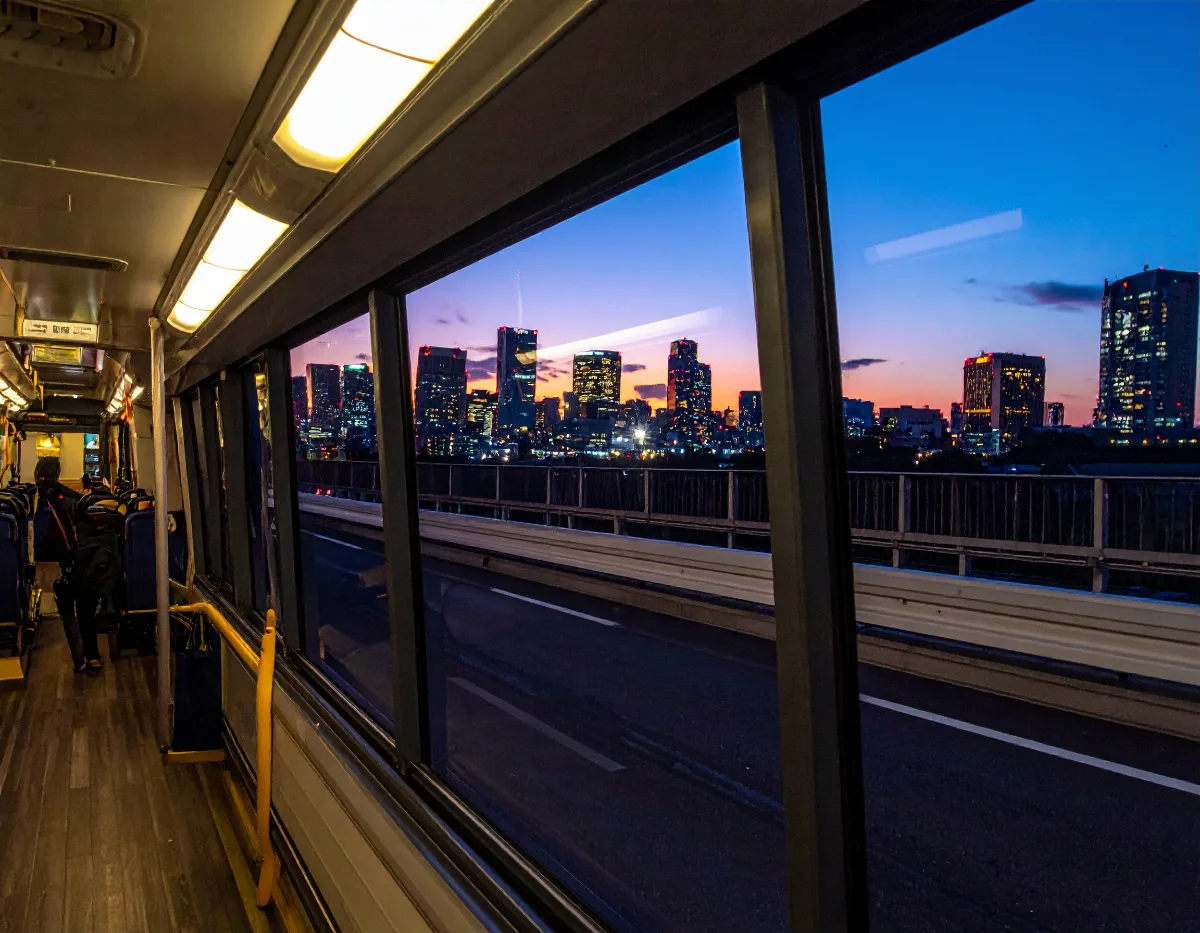
Japanese bus terminals aren't hard once you know the pattern, but the boarding gate is assigned per service and can change day to day, so check the numbered gate board on the departure floor on the day itself rather than relying on what you read online beforehand.
Departing from Tokyo via Shinjuku, most daytime travelers use the New South Gate, which connects straight up to the bus deck by escalator — but that gate only operates from 5:45 to 24:00, so a late-night departure means using the South Gate instead. Either way, confirm your numbered stop on the terminal's board once you're on the floor.
Be at your assigned boarding spot 10 to 20 minutes before departure and have your ticket or QR code ready to show the crew. Treat the walk through the terminal as part of the trip rather than a rush — arriving with time to spare removes the single biggest source of first-timer nerves.
After You Land: What to Do Before Sunrise Check-In
Arriving in a new city before 6am with a hostel check-in hours away is part of the overnight-bus rhythm, and most backpackers turn it into extra sightseeing time. Drop the big backpack in a station locker — a large one runs about ¥900 and a medium about ¥700 — and you're free to move through the city with just your day bag.
Some station-area bathhouses open as early as 7am, which makes for a proper shower and a change of clothes before check-in. From there, the early morning is one of the quietest times to walk to your first sightseeing stop, well before the crowds arrive.
If you're still deciding which route fits an early-morning arrival, the route overview lays out the city pairings so you can plan the first hours of your day around it.
Packing Your Bag the Right Way for a Night Bus
Split your luggage before you board: the main backpack goes into the underfloor trunk, and only a small daypack — passport copy, charger, snacks — comes with you to the seat.
Carry-on size allowances differ by operator, so it's worth confirming the limit when you book rather than finding out at the gate.
Peak national holiday weeks fill trunk space fastest, so booking a little ahead of those busy stretches protects both your seat and your luggage room.
Keep the daypack zipped and tucked under the seat in front of you rather than in the aisle, both for your own comfort and for the passengers moving past you overnight.

Check Seats & Fares
Choose your departure area to see routes and seats.
日本語版
予算重視の日本旅行:バックパッカー向け夜行バスのコツ
夜行バスがバックパッカーの予算をどう伸ばすか
夜行バスは一度に二つの役目を果たす。都市間の移動手段であると同時に、その夜の睡眠場所にもなるため、その晩はホステルやカプセルホテルの別料金を払わずに済む。単発のチケット価格そのものよりも、これこそが日本での節約旅行を支える本当の計算だ。
これはニッチな裏技でもない——訪日旅行者のうち、都市間移動に高速バスを選ぶ割合はすでに大きく、しかも増え続けている。これはこの選択肢がバックパッカーだけの裏技ではなく、主流になっている証拠だ。
そして節約はチケット代だけにとどまらない。ホテルの部屋を駅のコインロッカーに、遅いチェックアウトを早朝の銭湯に、タクシーを最初の観光地までの徒歩に置き換えれば、午前中全体が無駄な待ち時間ではなく旅の一部になる。
車内には実際に何があるのか:毛布、消灯、夜間のマナー
どの座席にも乗車中使える毛布が用意されており、車内の照明はだいたい23:00〜24:00頃に消灯する。それ以降は、眠ろうとしている他の乗客への配慮から、点灯したままのスマートフォンやタブレットの画面は控えるよう求められる。車内に何が備え付けられているかの詳細は、予約前にキャビン設備のページを確認してほしい。
夜通しの車内では、ちょっとした心遣いが大きな違いを生む。座席を倒す前に後ろの乗客に一声かける、足を通路にはみ出させない、乗車後は匂いの強い食べ物や飲み物を控える、といったことだ。
デイバッグは座席で自分の手元に置いておき、メインのバックパックは乗車前に床下のトランクへ預ける。車内には持ち込まない。
バスを見つける:初めての人のためのターミナル案内
日本のバスターミナルは仕組みさえ分かれば難しくないが、乗り場は便ごとに割り当てられ日によって変わることがあるので、事前にネットで調べた情報に頼らず、当日、出発フロアにある番号付きの乗り場案内板を確認すること。
新宿経由で東京から出発する場合、日中の利用者の多くは新南改札を使い、そこからエスカレーターで直接バス乗り場のあるデッキへ上がれる——ただしこの改札は5:45から24:00までしか使えないため、深夜発の便では代わりに南口改札を使うことになる。いずれにせよ、フロアに着いたらターミナルの案内板で自分の番号の乗り場を確認すること。
出発の10〜20分前には指定された乗車位置にいて、チケットまたはQRコードをすぐに乗務員へ提示できるようにしておく。ターミナル内を歩くことも急ぐ用事ではなく旅の一部だと捉えよう——余裕を持って到着すれば、初めての人が感じる不安の最大の原因がなくなる。
到着後:日の出前のチェックインまでにすべきこと
チェックイン時間よりずっと早い午前6時前に新しい都市に到着することは、夜行バス旅の一部であり、多くのバックパッカーはそれを追加の観光時間に変えている。大きなバックパックは駅のコインロッカーに預けよう——大サイズはだいたい900円、中サイズはだいたい700円だ——そうすればデイバッグだけで身軽に街を歩き回れる。
駅周辺の銭湯の中には朝7時から開いているところもあり、チェックインの前にきちんとシャワーを浴びて着替えることができる。そこから先、早朝は人混みが到着するずっと前に最初の観光地まで歩くのに最も静かな時間帯のひとつだ。
早朝到着に合う路線をまだ検討中なら、路線概要のページに都市の組み合わせが載っているので、それを見ながら一日の最初の数時間を計画できる。
夜行バスのための正しい荷造りの仕方
乗車前に荷物を分けておこう。メインのバックパックは床下のトランクに預け、パスポートのコピー、充電器、軽食といった小さなデイバッグだけを座席まで持ち込む。
機内持ち込みのサイズ制限は運行会社によって異なるので、乗り場で慌てて知るのではなく、予約時に上限を確認しておく価値がある。
国民の祝日が集中する繁忙期はトランクの空きが真っ先に埋まるので、そうした混雑期の少し前に予約しておくと、座席と荷物スペースの両方を確保しやすい。
デイバッグはファスナーを閉め、通路ではなく前の座席の下に収めておこう。自分が快適に過ごすためだけでなく、夜間に通路を移動する他の乗客のためでもある。