2026-08-09
BLOG
How to Sleep Well on a Japan Night Bus: Tips
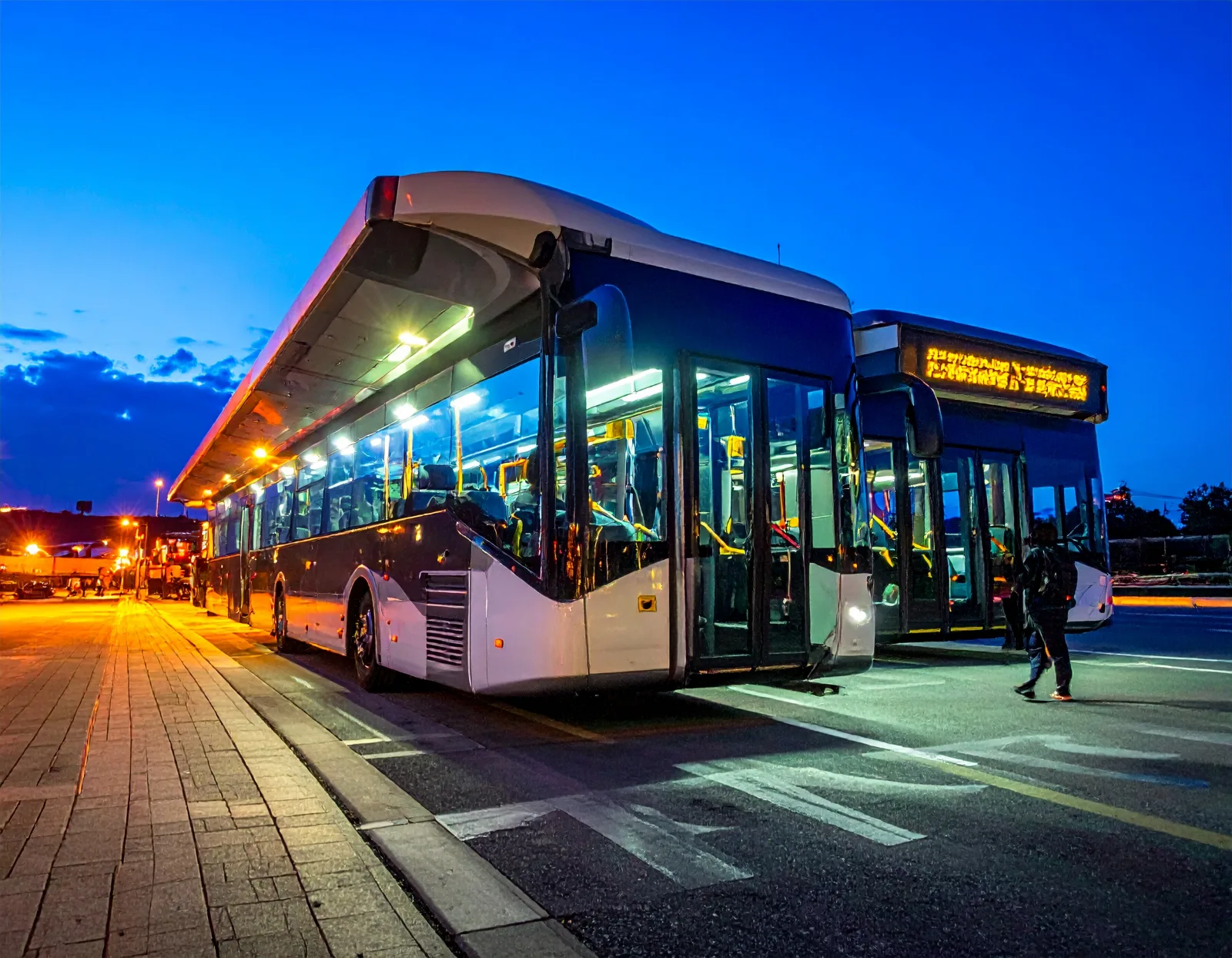
How to Actually Sleep Well on an Overnight Bus in Japan
Typical seatback spacing on this style of coach runs roughly 90-120cm, with the roomier configurations closer to 110-135cm — enough room to recline in stages without your knees meeting the seatback ahead. A gradual recline, with a quiet word to the passenger behind you first, keeps things comfortable for both of you for the rest of the night.
What to Bring So You Can Actually Fall Asleep
Seasoned riders tend to pack the same core three items: an eye mask, earplugs, and an inflatable neck pillow. All three pack flat, take up almost no space in a daypack, and do the real work of blocking light and sound while supporting your neck through the night.
The other thing experienced travelers plan for is temperature. Air conditioning on an overnight coach can run cold once the cabin settles in for the night, so a thin cardigan or wrap plus a pair of socks or leg warmers lets you layer up or down as needed, rather than being stuck with one option for hours.
Cabin Etiquette Once the Lights Go Out
Once the lights go out, the cabin goes essentially dark, and everyone around you is trying to sleep. Keep phone screens dimmed or off, skip conversations, and keep headphone volume low enough that it never reaches the seat next to you.
Reclining is fine, but do it gradually and with a quiet word to the passenger behind you first. It's best to keep your seat upright before lights-out, since a full recline too early can block people who still need to get in and out of their row. And if you're planning to eat, finish it before boarding — strong-smelling food is one thing nobody wants drifting through a dark, quiet cabin.
What Happens During the Rest Stops
On a longer route, the bus pulls into a service area roughly every 2-3 hours. Before the doors open, the driver comes on the announcement system with the same two details every time — how long the stop will last and the exact time to be back in your seat — read out in a calm, unhurried voice that matches the rest of the ride. Step off and the contrast is immediate: fluorescent lights, vending machines, the smell of coffee from a rest-area kiosk, after an hour or more spent in a dim, quiet cabin with nothing but the hum of the engine. It's a good stretch break, and a useful marker of how far into the night you've gotten.
One habit worth building early: keep your valuables and electronics with you at every stop rather than leaving them on the seat. It's a small step that keeps your phone, wallet, and passport exactly where you left them when you get back on.
Making the Most of the Morning After You Arrive
Stepping off the bus in the early morning, the standard move is to start at an early-opening public bath or sauna facility, shower off the ride, and warm up before the morning air really sets in. From there, a quiet cafe nearby is the natural next stop for breakfast and a slow coffee while the rest of the city is still waking up. A coin locker along the way is an easy spot to store your luggage while you explore, especially if it's still hours before your accommodation's check-in time.
Whether you're arriving in Kyoto, Osaka, or Kobe from Tokyo or Yokohama — or making the trip the other way — that early-morning window is one of the best parts of taking the night bus: you land with a full day still ahead of you. If you're mapping out that full day, from the first bath stop through an afternoon of sightseeing and back for the evening departure, the full list of routes lays out arrival and departure timing for each option, making it easy to build a loose itinerary around the overnight ride.
A Look Inside the Bus Before You Book
Exact seat layout, restroom locations, and onboard amenities can vary by route, so rather than guess at what you'll find on board, the facility page lays out the full cabin details — including the seatback spacing noted above — before you book.

Check Seats & Fares
Choose your departure area to see routes and seats.
日本語版
日本の夜行バスでぐっすり眠るには:そのコツ
日本の夜行バスで本当にぐっすり眠るための方法
このタイプのバスの座席前後の間隔は、おおむね90〜120cm。ゆとりのある仕様なら110〜135cmほどで、膝が前の座席に当たることなく、少しずつリクライニングできる広さがあります。後ろのお客様に一声かけてから、ゆっくりと段階的に倒す——これだけで、その晩はお互いに気持ちよく過ごせます。
眠るために持っていくとよいもの
夜行バスに慣れた人が必ず持ってくるのは、だいたい同じ3点です。アイマスク、耳栓、そして空気で膨らませるネックピロー。どれも平らに畳めてデイパックの中でもかさばらず、光と音を遮り、首を支えるという肝心な役割をきちんと果たしてくれます。
もうひとつ、慣れた旅行者が必ず備えているのが温度対策です。夜行バスの車内は、夜が更けて空調が落ち着いてくると冷えることがあります。薄手のカーディガンや羽織るもの、それに靴下やレッグウォーマーがあれば、何時間もひとつの状態で我慢することなく、そのときどきで着脱して調整できます。
消灯後の車内マナー
消灯すると車内はほぼ真っ暗になり、周りのお客様は皆さん眠ろうとしています。スマホの画面は暗くするか消し、会話は控え、イヤホンの音量も隣の席に届かない程度に抑えてください。
リクライニングは倒して構いませんが、後ろのお客様に一声かけてから、少しずつ倒しましょう。消灯前は座席を起こしておくのがおすすめです。早い時間に目一杯倒すと、席を出入りしたい人の通行を妨げてしまいます。それから、食事をするなら乗車前に済ませておくこと。においの強い食べものは、暗く静かな車内では誰にとってもつらいものです。
途中の休憩ではどうなるのか
長距離の路線では、おおよそ2〜3時間ごとにサービスエリアに立ち寄ります。ドアが開く前に、乗務員が車内アナウンスで毎回同じ2点——停車時間の長さと、座席に戻っていただく正確な時刻——を、走行中と変わらない落ち着いた口調で伝えます。外に出ると、その差は歴然です。エンジン音だけが響く薄暗く静かな車内で1時間以上過ごしたあとの、蛍光灯の明かり、自動販売機、売店から漂うコーヒーの香り。体を伸ばすのにちょうどよく、夜のどのあたりまで来たかの目安にもなります。
早いうちに身につけておきたい習慣がひとつ。休憩のたびに、貴重品と電子機器は座席に置いたままにせず、必ず持って降りることです。ちょっとしたことですが、これだけでスマホも財布もパスポートも、戻ったときにそのままの場所にあります。
到着した朝を活かす
早朝にバスを降りたら、まず早い時間から営業している銭湯やサウナに立ち寄り、シャワーで移動の疲れを流して、朝の冷え込みが本格化する前に体を温める——これが定番の流れです。そこから近くの静かなカフェへ移動して、街がまだ目を覚ましきらないうちに朝食とゆっくりコーヒーを、というのが自然な次の一手。途中のコインロッカーに荷物を預けておけば身軽に歩けます。宿のチェックインまでまだ何時間もあるときは特に便利です。
東京・横浜から京都・大阪・神戸へ向かうときも、その逆方向でも、この早朝の時間帯こそ夜行バスの醍醐味です。まる一日をこれから使える状態で到着できます。朝風呂から午後の観光、そして夕方の出発便までを含めた一日を組み立てるなら、路線一覧に各便の到着・出発時刻が載っているので、夜行バスを軸にしたゆるやかな行程が立てやすくなります。
予約前に車内を見ておく
座席の配置、化粧室の位置、車内設備は路線によって異なります。乗ってみて初めて分かる、ということにならないよう、設備ページに上記の座席間隔を含めた車内の詳細を載せていますので、ご予約前にご確認ください。