2026-10-02
BLOG
Arriving in Osaka at Dawn: What to Do First
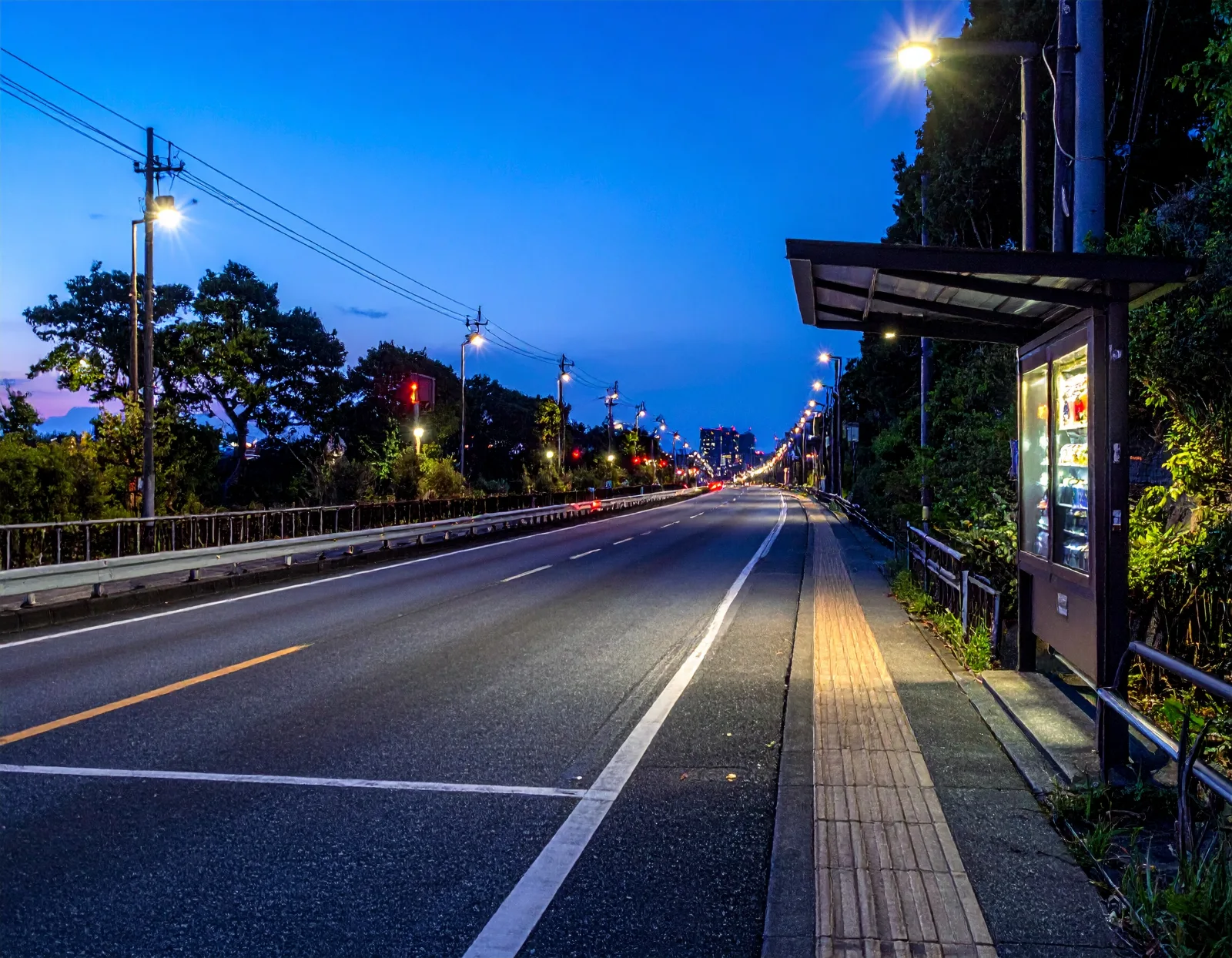
A Smooth Ride Before Sunrise
The night bus from Tokyo and Yokohama to Kansai settles into a rhythm somewhere past midnight, and that's when the trip really pays off. Every seat is a wide four-across seat with its own outlet and a blanket close at hand, so you can charge your phone and settle in for the night. The whole run clocks in at around eight hours from boarding to arrival, most of it spent asleep if you time it right.
Not every bus has an onboard restroom, but the ones that don't build a stop into the route every couple of hours. That's enough time to stretch under the fluorescent lights of a service area, grab a coffee from the vending machine, and file back on board with everyone else still half-asleep. The crew handles the driving through the night, so you can close your eyes and actually rest. See the full onboard facilities before you book.
Osaka Before the City Wakes Up
Step off around dawn and Osaka feels like a different city — one where you're already moving while everyone else is still on their first train in. Dotonbori's neon signs are still lit but the crowds haven't arrived yet, so it's the best window all day for photos along the canal without a stranger in the frame. It's a short walk from the station, maybe fifteen minutes if you're not rushing.
Osaka Castle Park is open and nearly empty in the early morning light. The walk from the park entrance up to the castle tower takes about twenty minutes and is a good way to stretch out legs that have been folded into a bus seat for hours.
If you'd rather take in the skyline, the walk over to the Umeda Sky Building is worth it for the view of the twin towers from ground level alone. The observation deck itself doesn't open this early, so treat it as a landmark to admire from below on your way through, and save the trip up for later in the day if you're curious.
What To Do With Your Bags
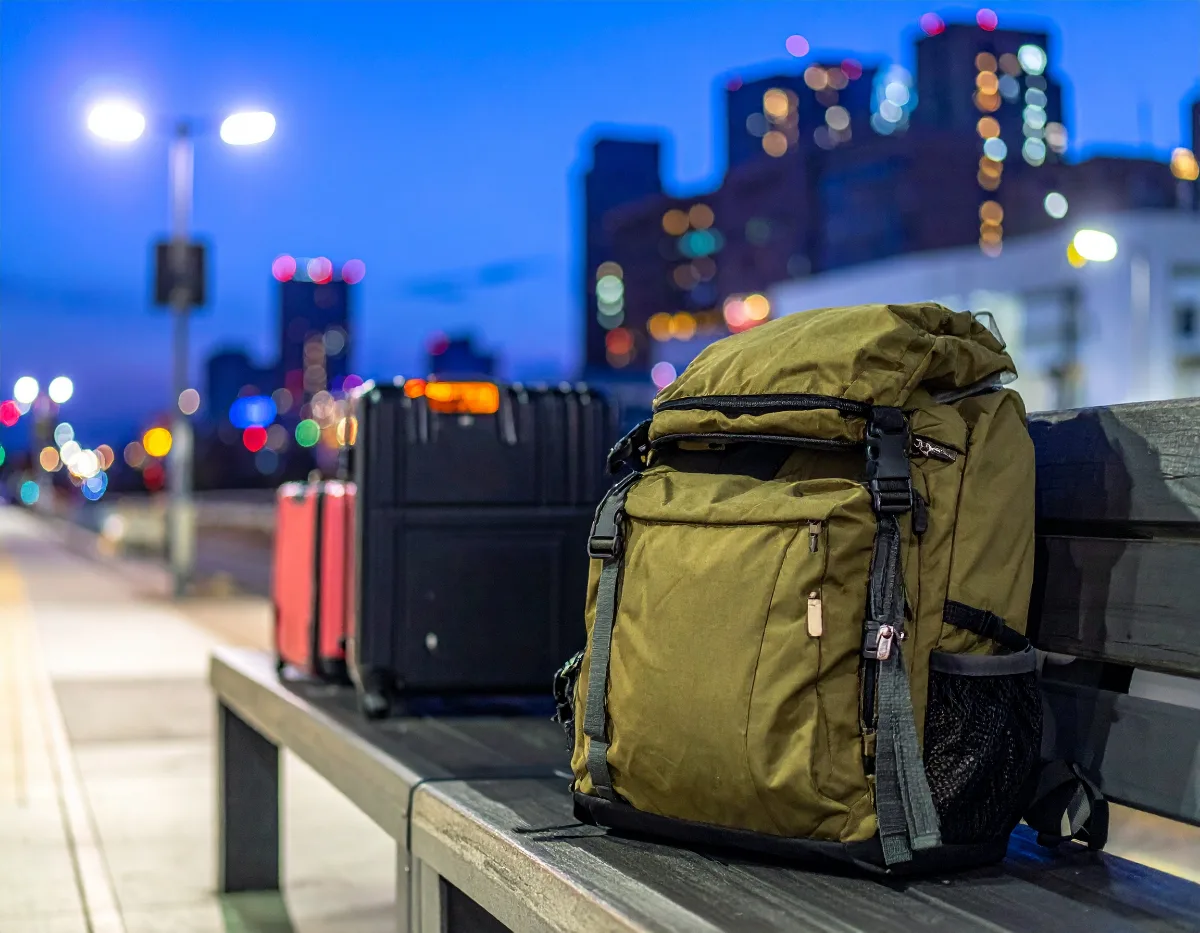
Most hotels won't let you check in until the afternoon, but Osaka Station and Namba Station both have plenty of coin lockers, so you can drop your luggage and head straight out to explore. Smaller lockers tend to run in the ¥300–¥400 range for the day, with the larger ones sized for a full suitcase closer to ¥600–¥700 — worth having some coins ready before you start hunting for a free one.
You won't be the only one wheeling a suitcase toward the lockers at that hour either. Other overnight buses land around the same time, so the corridor has a quiet, half-awake camaraderie to it.
A nearby public bath is a great way to warm up and wash off the journey before breakfast, and cafés around the station start serving early for anyone ready for coffee and something to eat.
Continuing On To Kyoto or Kobe
If Osaka is just the first stop, the same overnight night bus network connects on to Kyoto and Kobe, so you can build a longer loop around the Kansai region without losing a travel day. Stringing an early Osaka morning together with an afternoon in Kyoto's temples or an evening in Kobe is an easy way to turn one overnight ride into a two- or three-city trip — check the route page for ideas on how the connections line up before you lock in your plans.
Boarding calls and any announcements on board are in Japanese, so it helps to have your booking confirmation ready to show when you board.
Get back on for Kyoto or Kobe and the seat that carried you through the night is waiting in the same spot, blanket still folded where you left it, while the rest of Osaka is only just waking up to the day you've already started.

Check Seats & Fares
Choose your departure area to see routes and seats.
日本語版
夜明けの大阪到着:まず何をすべきか
日の出前の快適な乗車
東京・横浜から関西へ向かう夜行バスは、深夜を過ぎた頃にリズムに乗り始め、そここそが旅の真骨頂となる。座席はすべて独立コンセント付きのゆったりした4列シートで、毛布もすぐ手の届く場所にあるため、スマートフォンを充電しながら夜を過ごすことができる。乗車から到着まで全行程は約8時間で、うまくタイミングを合わせればそのほとんどを眠って過ごせる。
すべてのバスに車内トイレが備わっているわけではないが、無い車両は2時間おきほどの間隔で休憩を組み込んでいる。サービスエリアの蛍光灯の下で体を伸ばし、自動販売機でコーヒーを買い、まだ半分眠っている他の乗客と一緒にバスへ戻るには十分な時間だ。夜通しの運転は乗務員が担当してくれるので、目を閉じてしっかり休むことができる。予約前に車内設備の詳細を確認しておこう。
街が目覚める前の大阪
夜明け頃にバスを降りると、大阪はまるで違う街のように感じられる――他のみんながまだ始発電車に乗っている間に、自分はもう動き出しているのだ。道頓堀のネオンサインはまだ点灯しているが人混みはまだ来ておらず、通行人が写り込まない写真を撮るなら1日のうちで一番のタイミングだ。駅からは徒歩圏内で、急がなければ15分ほどで着く。
大阪城公園は早朝の光の中、開いていてほとんど人がいない。公園の入口から天守閣までの道のりは約20分で、バスの座席に何時間も体を折り曲げていた脚を伸ばすのにちょうどよい。
スカイラインを眺めたいなら、梅田スカイビルまで歩く価値がある。地上から見上げるツインタワーの眺めだけでも十分な見応えだ。展望台自体はこんなに早い時間には開いていないので、通り道で見上げるランドマークとして楽しみ、興味があれば上る楽しみは日中に取っておこう。
荷物はどうする?
ほとんどのホテルはチェックインが午後からになるが、大阪駅と難波駅にはコインロッカーが十分にあるので、荷物を預けてすぐに観光へ出かけられる。小さめのロッカーは1日あたり300~400円ほど、スーツケース1個分の大きめサイズは600~700円に近い料金となるので、空いているロッカーを探す前に小銭を用意しておくとよい。
その時間帯にスーツケースを転がしてロッカーへ向かうのは自分だけではない。他の夜行バスもだいたい同じ時間に到着するので、通路にはどこか静かで半分寝ぼけたような仲間意識が漂っている。
近くの銭湯は、朝食前に旅の疲れを温めて洗い流すのに最適だ。駅周辺のカフェも早くから営業しているので、コーヒーと軽食の準備ができている人はどうぞ。
京都・神戸へ続けて
大阪が最初の立ち寄り先に過ぎないなら、同じ夜行バスネットワークが京都や神戸へも続いているので、旅の日数を無駄にすることなく関西エリアをめぐる長めのループを組める。大阪での早朝と、京都の寺院巡りの午後、あるいは神戸の夜を組み合わせれば、1回の夜行乗車を2~3都市を巡る旅に簡単に変えられる――計画を固める前に、乗り継ぎがどうつながるかのヒントは路線ページを確認しよう。
乗車案内や車内アナウンスは日本語なので、乗車時に予約確認書をすぐ見せられるようにしておくと役立つ。
京都や神戸行きに乗り込めば、夜通し自分を運んでくれた座席が同じ場所で待っていて、毛布も置いていった場所にたたまれたままだ。一方、大阪の残りの街は、あなたがすでに始めている一日にようやく目覚め始めたところだ。